
SheMed · Brand article
Planning a Purchase from SheMed? Begin Here
Planning a Purchase from SheMed? Begin Here
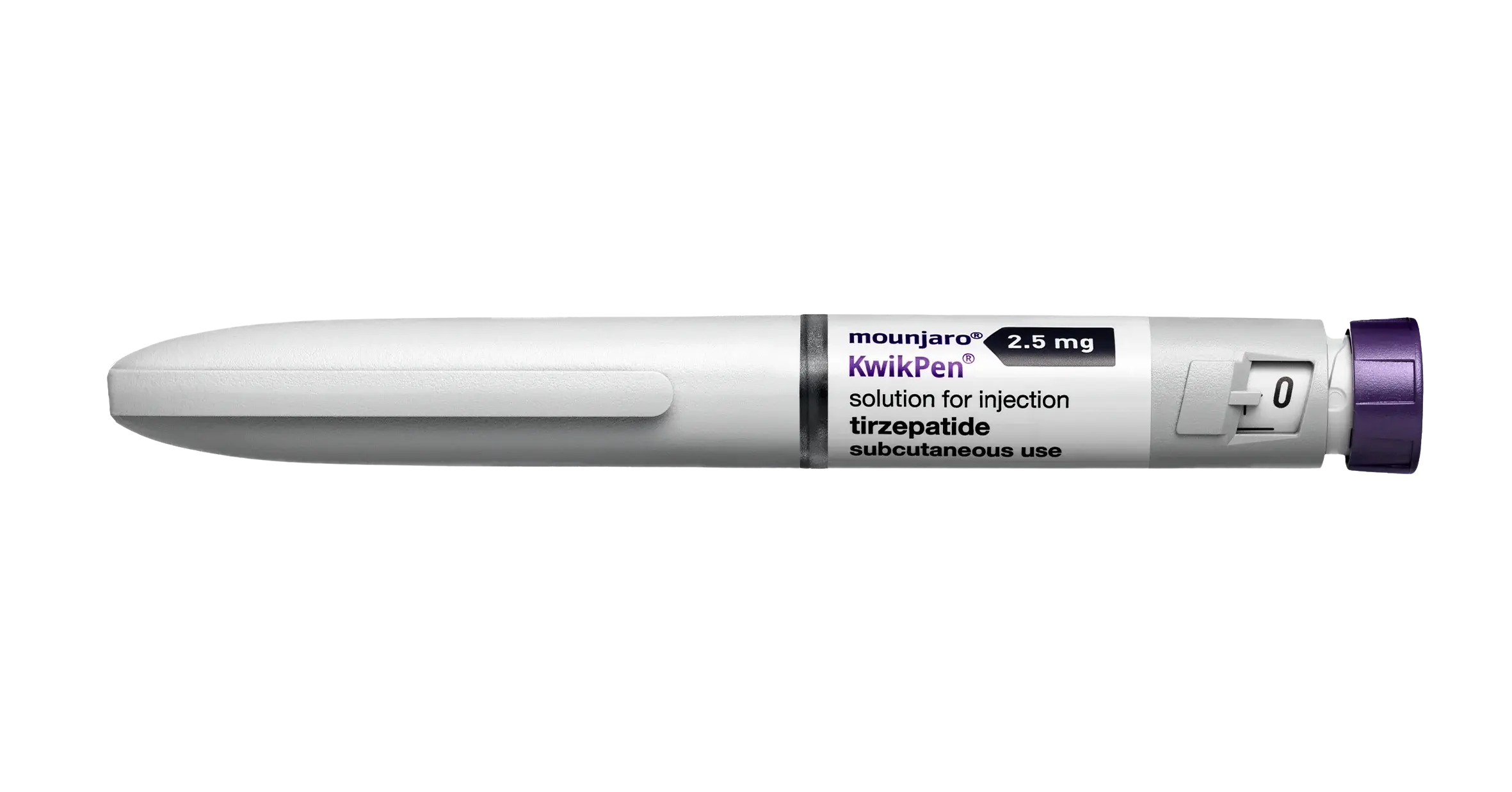
Planning a Purchase from SheMed? Begin Here It is often worth spending a few minutes on the brand’s present range before comparing it with alternatives elsewhere. SheMed is best approached as a comparison exercise: shortlist a few relevant choices, then look closely at what separates them. The most useful comparison is one that measures options against your own priorities instead of trying to find a universal best choice. Check the details that can affect the final experience, such as size or compatibility, materials, included features, delivery timing, and after-sales terms. For SheMed, that creates a clearer shortlist before you spend time on smaller differences. Because general online stores can cover many product types, use the individual listing details rather than assuming the same specifications or policies apply across the whole range. Pay attention to the full description, available variants, dimensions or specifications, what is included, and any limitations noted on the page. Ratings are easier to interpret when you read a sample of detailed comments and check whether they refer to the current version rather than an older model. A simple cost check can help: compare what you receive, how well it matches your needs, and the complete amount payable before checkout. Because SheMed may serve more than one location, check whether the exact item, service, delivery method, and pricing shown apply to your area. It is also worth reading the delivery and return information before checkout, because these terms can be just as important as the item itself. Treat older reviews or saved pages as background information only and confirm anything important against the present listing. If you are comparing SheMed with alternatives, keep the criteria consistent so the comparison stays meaningful. Ratings are easier to interpret when you read a sample of detailed comments and check whether they refer to the current version rather than an older model. If you changed options while browsing, double-check the final basket so the version you purchase is the version you actually compared. For higher-value purchases, take an extra moment to check warranty, support, return, or cancellation information where applicable. The final decision is easier when the product or service, total cost, delivery expectations, and relevant policies are all clear. Before ordering, confirm any size, compatibility, quantity, warranty, or time-sensitive condition that could create inconvenience later. The basket should still show the same option you researched, with the final cost and delivery terms visible before payment. Product value and shopping convenience are separate considerations. Check what the price includes, current stock, dispatch estimate, delivery coverage, return or cancellation terms, and seller or fulfilment information where relevant, rather than comparing headline prices from different configurations. A broad online store can cover many product types, so the individual listing matters more than assumptions about the whole catalogue. Identify the exact model, version, dimensions, material, quantity, package, or service level and keep that configuration consistent while comparing alternatives. If the brand operates in several markets, regional versions can differ in availability, sizing, packaging, power standards, included accessories, or support, making the current market-specific listing worth checking carefully. Reviews can provide useful context when they describe the exact version being considered. Look for repeated practical observations, while keeping specifications, measurements, and current terms as the primary references for the decision. If a cheaper option already meets the essential requirements, paying more for features that will not be used may add cost without adding practical value to the purchase. If several versions appear on one page, keep the selected version visible while reading the details so information from one configuration is not accidentally applied to another that has a different price or specification. Photographs are useful for context, but written dimensions, specifications, quantities, and conditions are usually the stronger basis for a final decision when appearance and technical details seem to conflict. Keeping the process practical helps you judge SheMed on current information instead of assumptions or outdated details. For the latest information, visit SheMed through the link below and review the options at your own pace.
Visit store