
food · Articles
Nut Butters and Spreads: Reading the Label
Nut Butters and Spreads: Reading the Label
 Transact Shopping
FOOD · GLOBAL
Nut Butters and Spreads: Reading the Label
What is actually in a jar, palm oil and sugar, separation and storage
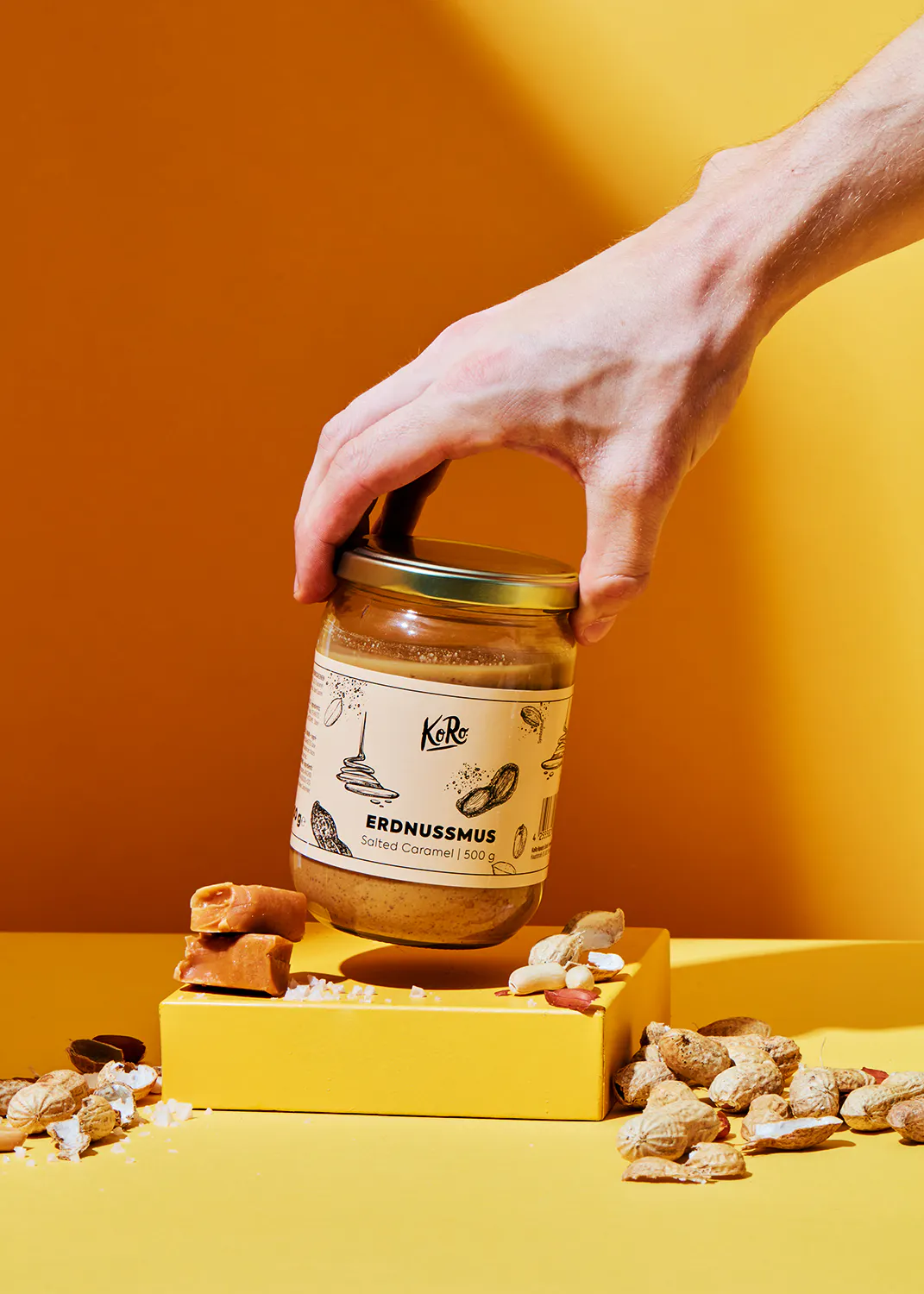
Nut butter is one of the simplest products in a supermarket and one where the ingredient list varies enormously between jars that look identical.
Read the percentage
A good nut butter is nuts, and possibly salt. Many contain 80 to 90 percent nuts with added palm oil, sugar and emulsifiers making up the rest.
The nut percentage is stated on the label and is the single most useful number on the jar.
Palm oil and emulsifiers
These are added to stop the oil separating, which is a texture decision rather than a quality one. A jar that separates is usually the purer product.
Stir it back in and store the jar upside down between uses, which redistributes the oil.
Sugar and salt
Check both per 100 grams. Some spreads marketed as healthy contain as much sugar as chocolate spread, and the nut content can be surprisingly low.
Nutrition in context
Nuts are a genuinely good source of unsaturated fats, fibre, protein and minerals, with reasonable evidence linking regular consumption to better cardiovascular outcomes.
They are also calorie dense, and eating from a large jar with a spoon is how a portion becomes half of it.
Rancidity
Nut oils oxidise with air, light and warmth. Rancid nut butter tastes sharp or like old paint, and should be discarded. Refrigeration after opening extends life considerably.
Allergens
Bulk suppliers frequently handle nuts, peanuts and sesame on shared lines. Read precautionary labelling carefully rather than assuming, and store nut products separately in an allergic household.
Buying in bulk
Bulk is cheaper per kilogram and only saves money if you finish it. Nuts, seeds and dried fruit all go rancid or stale, so decant into airtight jars and store cool and dark.
Freezing nuts and flours extends their life considerably and does not affect the texture.
Allergens and shared lines
Bulk suppliers frequently handle nuts, peanuts, sesame and gluten on the same equipment. Read the precautionary labelling rather than assuming, and check it every time, since suppliers and lines change.
Store nut products separately and clearly labelled in an allergic household.
Portions
A portion of nut butter is around a tablespoon. Serving it onto something rather than eating from the jar is the only reliable way most people keep to that.
Other spreads
Chocolate spreads are typically sugar and palm oil first, with a small percentage of hazelnut. Tahini and seed butters are usually just seeds and are worth comparing on the same basis.
Compare sugar and saturated fat per 100 grams rather than per serving, since serving sizes differ between products.
Buying
Compare price per kilogram, and buy sizes you will finish within a few months.
WHERE TO BUY
Ready to shop KoRo FR? Use the link below to visit the official store.
→ Shop KoRo FR — official site
Visit this site