
sports · Articles
Football Boots: Studs, Surfaces and Fit
Football Boots: Studs, Surfaces and Fit
 Transact Shopping
SPORT · GLOBAL
Football Boots: Studs, Surfaces and Fit
Sole types explained, choosing by surface, fit and injury
Football boots are chosen on appearance and should be chosen on the surface you play on, since the sole is what determines grip and how much load goes through a knee.
The sole types
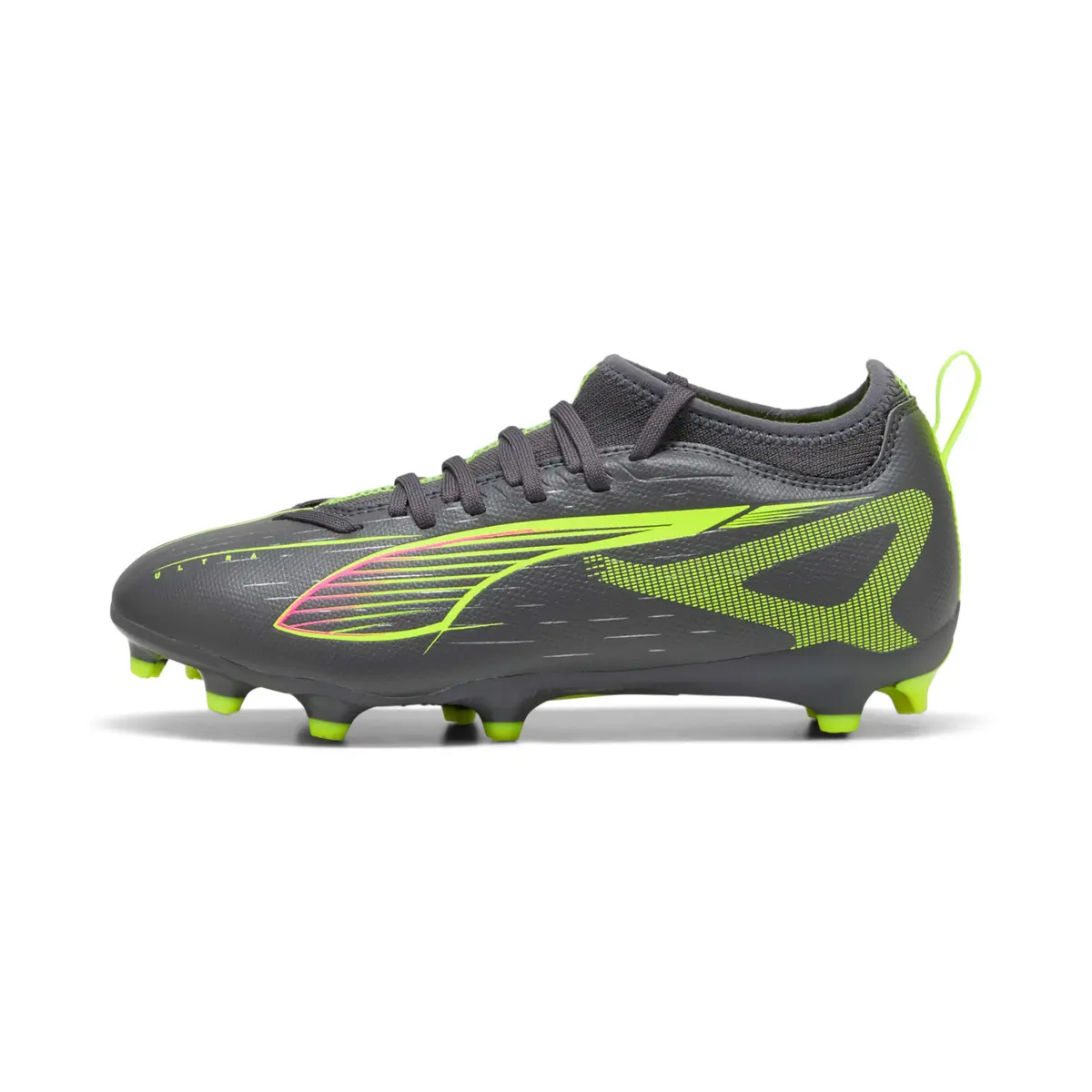
FG, firm ground, has moulded studs for natural grass and is the default. SG, soft ground, has fewer longer studs, usually metal and replaceable, for wet muddy pitches.
AG, artificial grass, has more numerous shorter studs to spread load on 3G surfaces. TF, turf, has a dense rubber pattern for older artificial pitches and training.
IC or IN are flat indoor soles for futsal and sports halls.
Using the wrong sole matters
Firm ground boots on artificial grass grip excessively, which increases rotational load through the knee and ankle and is associated with injury. Many artificial pitches also prohibit metal studs.
It also voids the warranty on most boots and wears the studs down quickly.
Fit
Boots should be snug with around half a centimetre at the toe, since a foot sliding inside causes blisters and blackened toenails. Try them at the end of the day with match socks.
Width matters as much as length, and knitted uppers stretch where leather moulds. Leather adapts to the foot; synthetic does not.
Breaking them in
Short sessions before a full match. Never use heat or water to speed it up, which damages modern uppers.
Shinpads
Compulsory in competitive football and must be covered entirely by socks. Sized properly, they cover most of the shin without restricting the ankle.
Buying for children
Check the fit every few weeks during a growing spurt, since a boot that is too small causes real damage and children rarely say. Do not buy two sizes up to last the season.
Moulded firm ground or artificial grass soles suit almost all junior football.
Studs and safety
Check studs before every match for sharp edges and wear, since worn studs lose grip and damaged ones are dangerous to other players. Replaceable studs should be tightened with the key rather than by hand.
Metal studs are prohibited on most artificial surfaces and on some school pitches.
Blisters and toenails
Blisters usually mean the boot is too large or the socks are wrong. Keep toenails trimmed straight across, and deal with a hot spot when you feel it rather than after.
Replacing boots
Replace when the studs are worn down, the sole is separating or the upper has split, all of which happen before a boot looks finished. Worn studs are a slip risk rather than a cosmetic issue.
Two pairs rotated last considerably longer than one pair worn every session, since each dries fully.
Care
Clean after every match, remove the insoles and dry slowly away from heat, and check studs before each game.
WHERE TO BUY
Ready to shop Foot Store? Use the link below to visit the official store.
→ Shop Foot Store — official site
Visit this site