
clothing · Articles
Running Accessories and Carrying Kit
Running Accessories and Carrying Kit
 Transact Shopping
FITNESS · GLOBAL
Running Accessories and Carrying Kit
Belts and vests, hydration, what to carry and safety on the road
Carrying things while running is a problem of bounce and chafing, and the solutions differ considerably by distance.
Belts and vests
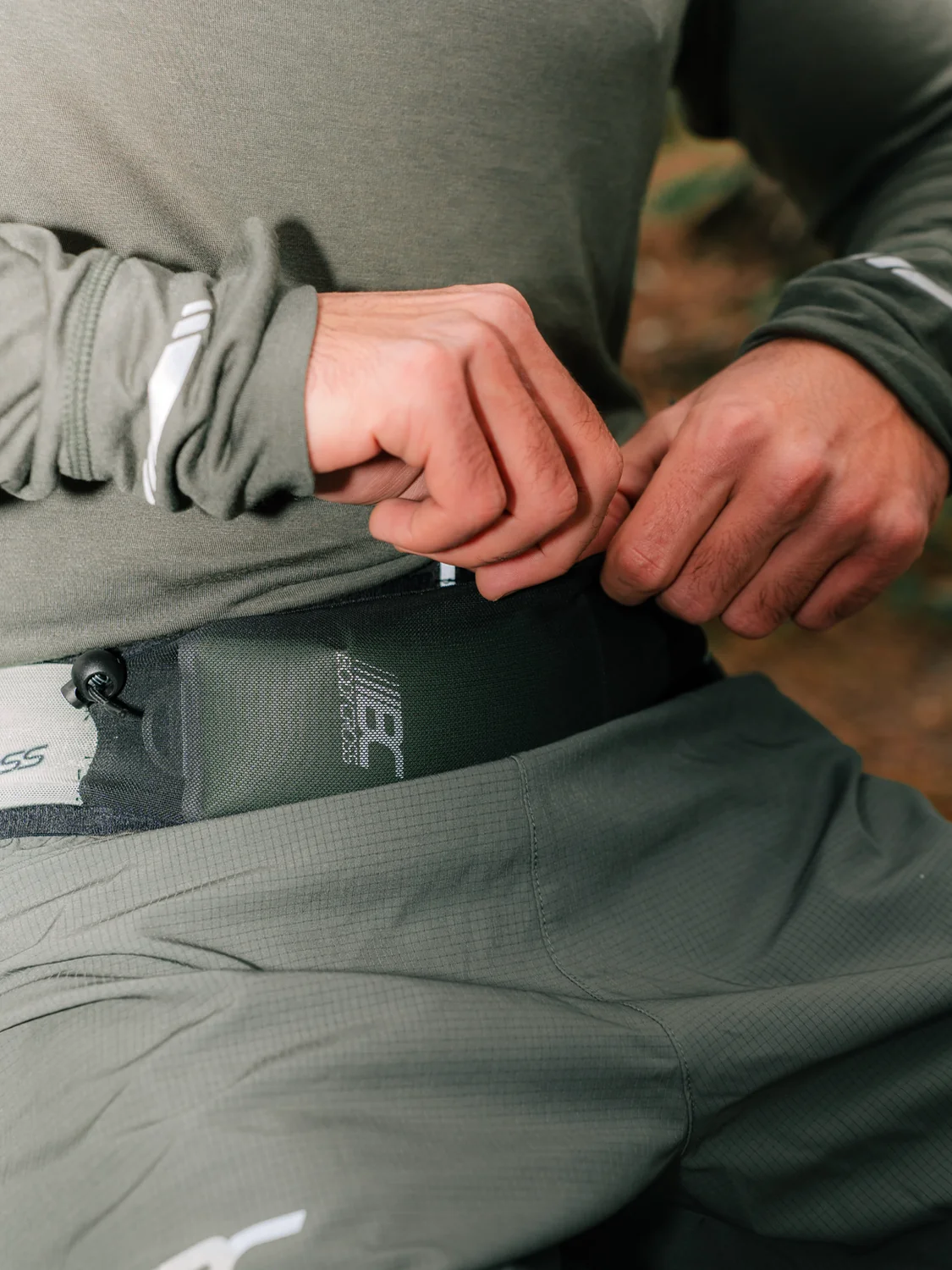
A waist belt suits a phone, keys and a gel on runs up to about an hour. It must sit snugly on the hips rather than the waist, or it rides up and bounces.
A running vest distributes weight across the torso and carries considerably more, which suits trail running and anything over a couple of hours. Front pockets you can reach while moving are the feature that matters.
Hydration
For under an hour in normal conditions, water is not usually necessary. Beyond that, drink to thirst rather than to a schedule.
Soft flasks collapse as they empty and bounce less than bottles. Bladders carry more and are harder to refill and clean, and they must be dried properly or they grow mould.
Deliberately drinking far more than you need dilutes blood sodium, which is dangerous. More is not safer.
Chafing
Anything that moves against skin repeatedly will rub over distance. Anti-chafe balm on the usual points, seamless kit, and nothing new on race day.
What to carry
A phone, identification with an emergency contact, and a card. On trails add a foil blanket, a whistle, a lightweight waterproof and something to eat.
Tell someone your route and expected return time.
Running in the dark
A head torch, reflective detail rather than only fluorescent colours, and running facing traffic on roads without a pavement. Assume drivers have not seen you.
Shoes and kit
Nothing new on race day, including socks. Everything should have been worn on at least one long training run first.
Technical socks rather than cotton, and deal with a hot spot when you feel it rather than after it becomes a blister.
Running in heat and cold
In heat, start slower, carry more water and accept a slower pace rather than pushing through. In cold, layers with a windproof outer, and gloves and a hat, since extremities suffer first.
Ice and wet leaves are what cause falls, so shorten the stride and slow down rather than relying on grip.
Building up
Increase distance gradually rather than jumping, since most running injuries come from doing too much too soon. Persistent pain needs a physiotherapist rather than new kit.
Tracking and safety features
Most running watches and phones offer live location sharing and incident detection, which is worth enabling if you run alone or in the dark. Tell someone your route regardless.
Keep identification on you with an emergency contact, since a phone locked on a pavement tells nobody anything.
Testing kit
Try everything loaded on a training run. A vest that feels fine empty in a shop behaves differently with a litre of water in it.
WHERE TO BUY
Ready to shop Bodycross? Use the link below to visit the official store.
→ Shop Bodycross — official site
Visit this site