
INIU · Brand article
Getting Started with INIU: A Buyer-Focused Overview
Getting Started with INIU: A Buyer-Focused Overview
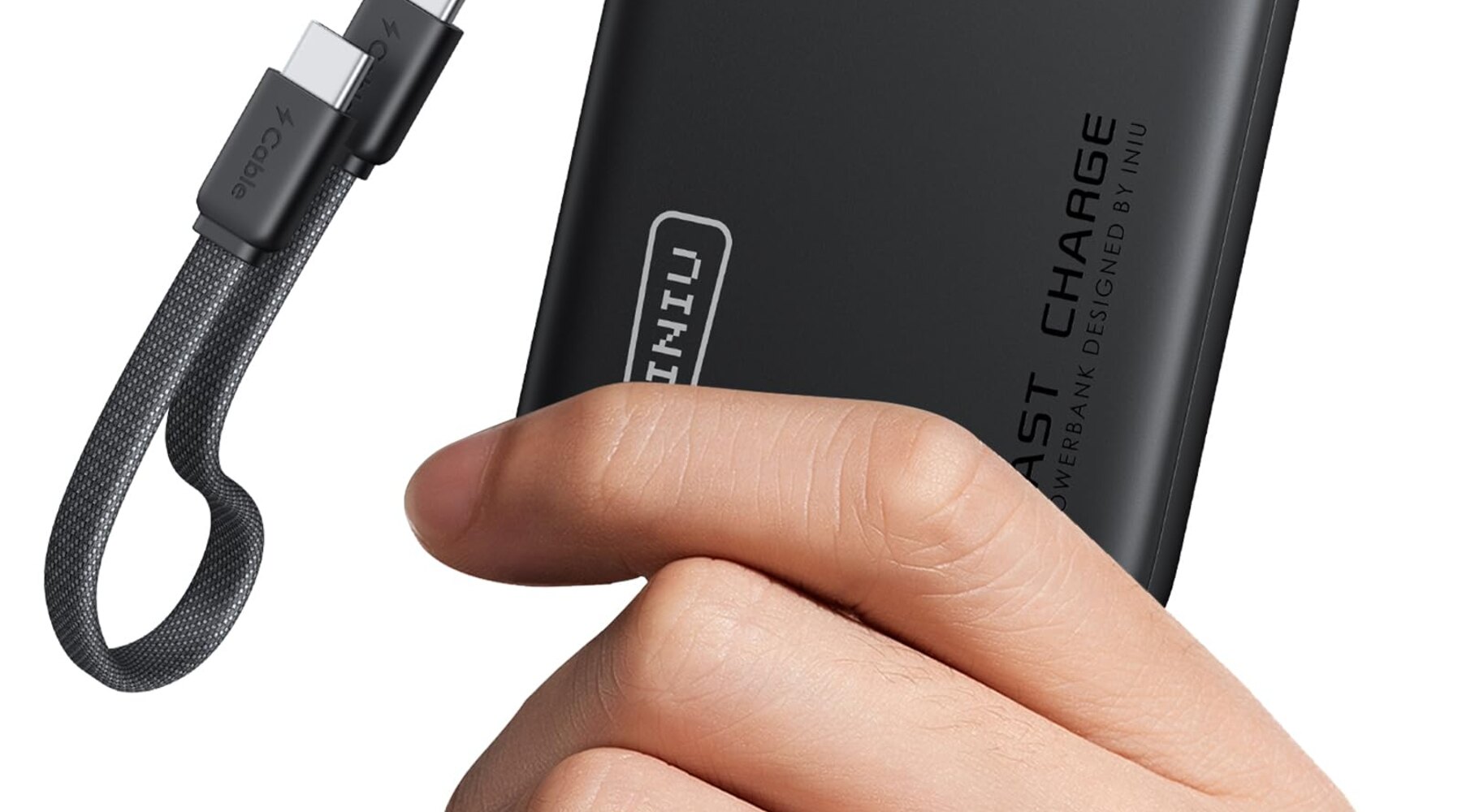
Getting Started with INIU: A Buyer-Focused Overview A useful way to shop online is to start with the latest brand page, then narrow the selection according to the details that matter most to you. The current INIU selection may change over time, so use the live page to see what is actually available before making comparisons. Rather than comparing everything, choose a few realistic candidates and write down the differences that could affect everyday use. Before ordering, confirm the exact item or service, current availability, important specifications, delivery terms, and any return or cancellation conditions. For INIU, that creates a clearer shortlist before you spend time on smaller differences. Because general online stores can cover many product types, use the individual listing details rather than assuming the same specifications or policies apply across the whole range. A side-by-side comparison works well when you use the same criteria for every option: features, fit for purpose, total cost, delivery, and relevant policies. Customer feedback can add context, but it is most useful when you look for recurring comments about the specific model, service, sizing, delivery, or feature you are considering. A simple cost check can help: compare what you receive, how well it matches your needs, and the complete amount payable before checkout. Regional availability may differ, so use the location-specific information shown by INIU when checking delivery and final cost. If the purchase is time-sensitive, confirm estimated delivery or booking conditions before you commit. Online listings can change over time, which is why the current page matters more than an older advertisement, screenshot, or cached result. If you are comparing INIU with alternatives, keep the criteria consistent so the comparison stays meaningful. When feedback is mixed, look for patterns and decide whether the issues mentioned are relevant to the way you intend to use the product or service. Before payment, make sure the basket still contains the exact item or service you researched and that the final price matches your expectations. It is also worth reading the delivery and return information before checkout, because these terms can be just as important as the item itself. The final decision is easier when the product or service, total cost, delivery expectations, and relevant policies are all clear. A broad online store can cover many product types, so the individual listing matters more than assumptions about the whole catalogue. Identify the exact model, version, dimensions, material, quantity, package, or service level and keep that configuration consistent while comparing alternatives. Product value and shopping convenience are separate considerations. Check what the price includes, current stock, dispatch estimate, delivery coverage, return or cancellation terms, and seller or fulfilment information where relevant, rather than comparing headline prices from different configurations. Before ordering, confirm any size, compatibility, quantity, warranty, or time-sensitive condition that could create inconvenience later. The basket should still show the same option you researched, with the final cost and delivery terms visible before payment. Cross-border orders can involve different delivery times, duties, taxes, return processes, or warranty conditions, so review the terms that apply to the destination shown at checkout rather than assuming another region's terms are identical. A final basket review is worth doing even after careful research. Check the selected size, model, quantity, colour, package, service level, delivery address, shipping method, and total amount before submitting the order. Reviews can provide useful context when they describe the exact version being considered. Look for repeated practical observations, while keeping specifications, measurements, and current terms as the primary references for the decision. The final objective is a decision that can be explained in practical terms: the option fits the requirement, the total cost is understood, and the current purchase conditions are acceptable. Conversely, the lowest initial price can become poor value when an essential accessory, compatible component, delivery service, or replacement item has to be purchased separately. Keeping the process practical helps you judge INIU on current information instead of assumptions or outdated details. Visit INIU using the link below to check current availability and make your own comparison.
Visit store