
Onemile · Articles
Building a Folding E-Bike Out of the Same Metal Used in Aircraft
Building a Folding E-Bike Out of the Same Metal Used in Aircraft
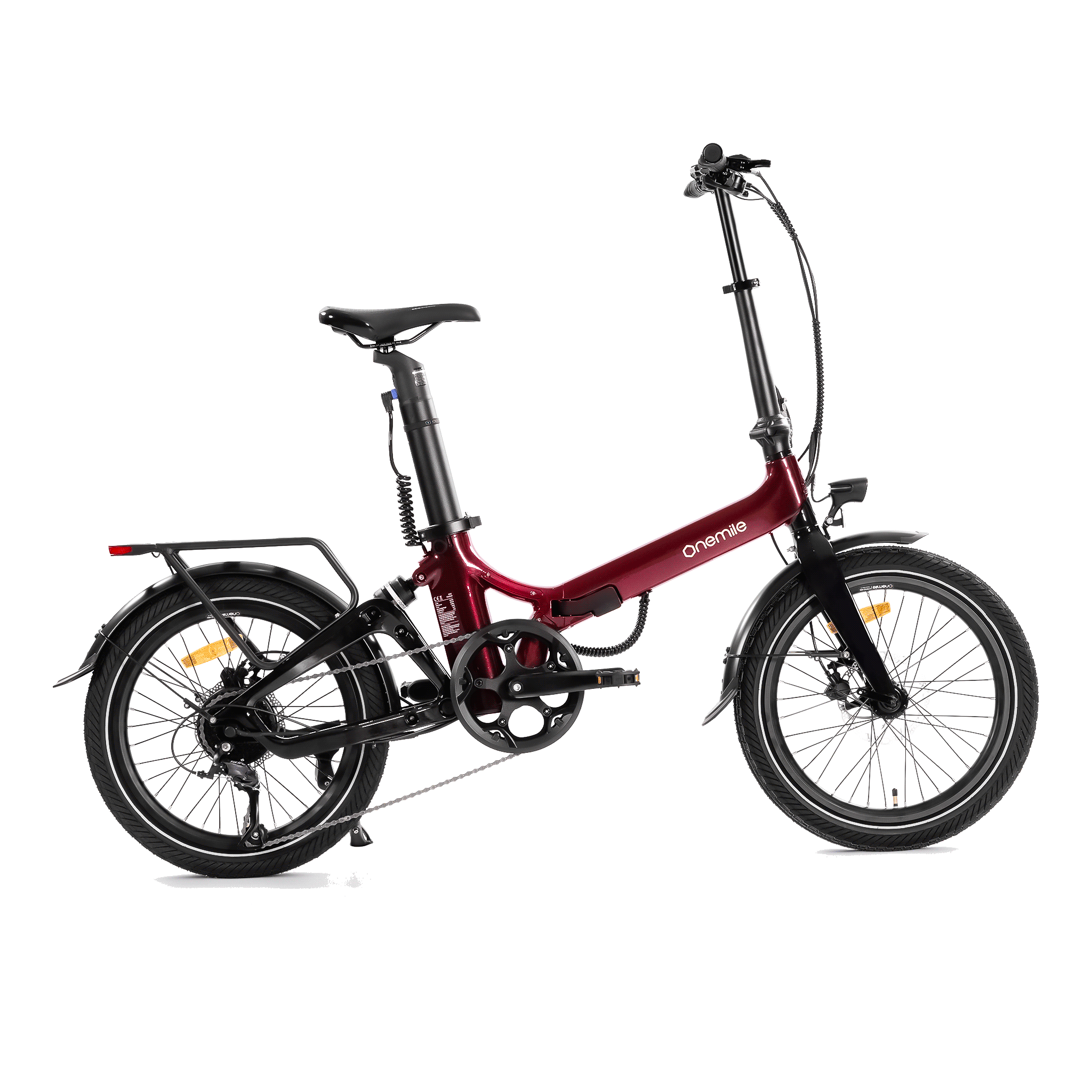
Folding e-bikes have historically carried a genuine weight penalty compared to standard bikes, since practical folding mechanisms and battery systems add bulk. Onemile's Nomad was built to break that pattern, using an aviation-grade magnesium alloy frame specifically chosen for its exceptional strength-to-weight ratio.
Magnesium alloy, not simply aluminium
Rather than the aluminium most folding bikes rely on, the Nomad uses a one-piece die-cast magnesium alloy frame — magnesium has a notably lower density than aluminium, letting Onemile build a frame that's both genuinely lightweight and structurally robust, achieved through a clean single-piece casting process rather than multiple welded sections.
A genuinely light complete package
The Nomad weighs just 17.9kg without the battery — a remarkably light figure for a folding e-bike with full suspension and a complete drivetrain, making it considerably easier to carry up stairs, lift into a car boot, or manage on public transport compared to heavier folding e-bike alternatives.
Rear suspension, genuinely uncommon in this category
The Nomad includes a rear shock absorber — a feature rarely found on folding e-bikes, where frame-folding mechanisms typically compete for space with suspension hardware. This addition directly improves ride comfort over uneven urban surfaces that a rigid folding frame would otherwise transmit directly to the rider.
A torque sensor for genuinely natural pedal assist
Rather than a simpler cadence sensor that only detects whether pedals are turning, the Nomad uses a torque sensor measuring actual pedalling force in real time — delivering smooth, proportional electric assistance that scales naturally with effort, rather than an abrupt on/off assist feel.
A removable battery for genuine charging flexibility
The battery is specifically designed to be removable, hidden within the seat tube — letting the battery be charged indoors at a desk or table without needing to bring the entire bike near an outlet, a meaningfully convenient detail for apartment dwellers or office commuters.
Hydraulic disc brakes for genuinely reliable stopping power
The Nomad uses hydraulic disc brakes (Tektro on some versions) — delivering considerably more consistent, powerful stopping performance in wet or variable conditions compared to mechanical disc or rim brakes found on more basic folding bikes.
A substantial, configurable range
Depending on battery configuration, the Nomad offers up to 100-150km of range in pedal-assist mode, with an optional Dual Battery Extender Rack Kit extending that to as much as 300km on a single charge — a genuinely long-distance capability uncommon among folding e-bikes, which typically prioritise compactness over maximum range.
Adjustable geometry for genuinely varied rider heights
The retractable head and seat tube let the Nomad accommodate riders across a considerable height range — a detail that matters for households or shared-use situations where the bike might be used by multiple people of different builds.
At a glance
Product: ** Onemile Nomad Folding Electric Bike
Frame: ** One-piece magnesium alloy, ~17.9kg
Range: ** Up to 100-150km (configuration dependent)
Pedal assist: ** Torque sensor, multiple assist levels
Brakes: ** Hydraulic disc
Suspension: ** Rear shock absorber
Max load: ** 110-120kg
Who it suits
The Nomad suits urban commuters and multi-modal travellers wanting a genuinely lightweight, premium folding e-bike that doesn't sacrifice ride comfort or range for portability. Anyone needing a bike specifically built for off-road terrain like sand, snow, or rocky trails should look at Onemile's Scrambler model instead, since the Nomad is specifically engineered for city streets, bike lanes, and urban pavement. Shop the Onemile Nomad Folding Electric Bike — **
Visit store