
other · Articles
Choosing a Protein for Your Dog
Choosing a Protein for Your Dog
 Transact Shopping
PETS · GLOBAL
Choosing a Protein for Your Dog
Why protein source matters, novel proteins, rotation and reading the label
Dog food is increasingly sold by protein source, and the reasons to choose one over another are narrower than the marketing suggests.
Protein quality over protein type
Dogs need amino acids rather than a particular animal. A well-formulated food using chicken meets the same requirements as one using venison, provided it is complete for the life stage.
Named sources are checkable. Generic terms such as meat and animal derivatives allow the ingredient to change between batches, which matters if you are avoiding something.
Where novel proteins matter
Food allergy in dogs is most commonly to a protein the dog has eaten a lot of — beef, dairy, chicken or lamb. A novel protein the dog has never encountered is used to diagnose that.
Using novel proteins casually uses them up. If your dog later needs an elimination diet, every protein they have already eaten is unavailable for it.
Elimination diets need a vet
A proper trial uses a novel or hydrolysed protein fed exclusively for eight to twelve weeks — no treats, no scraps, no flavoured medication. A single lapse invalidates it.
Skin problems have many causes, and a food trial run badly delays the real diagnosis.
Rotation
Rotating proteins suits some dogs and causes digestive upset in others. If you rotate, transition over a week each time rather than switching abruptly.
Reading the label
Check it states complete for the life stage. Ingredients are listed by weight before cooking, which is why fresh meat can appear high and contribute less than it seems.
Treats and toppers
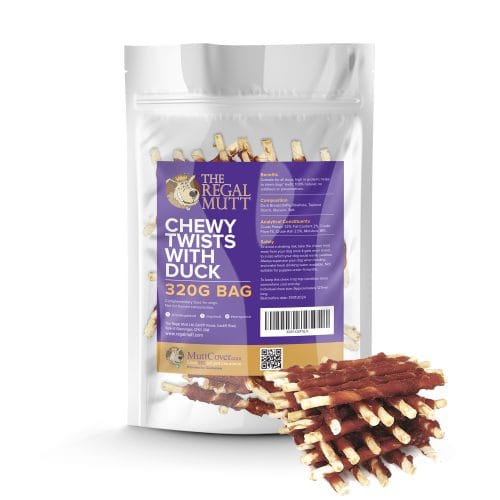
Treats should stay within about ten percent of daily calories, and they count towards any elimination diet. Check the protein in treats, chews and flavoured medication if you are avoiding something.
Toppers are complementary rather than complete and do not provide everything a dog needs on their own.
Storage
Keep dry food sealed in its original bag inside a container, since the bag has a barrier layer and decanting exposes the fat to air.
Portioning
Feeding guides are a starting point based on weight, and actual needs vary with age, activity and neutering status. Weigh food rather than using a scoop, since the volume in a scoop varies with kibble size.
Body condition is the real measure — ribs easily felt without pressing hard, and a waist visible from above.
Judging a food
Give any new food eight to twelve weeks and judge on coat, stools, energy and weight rather than on the first bowl.
Speak to a vet before changing the diet of any dog with a diagnosed condition.
WHERE TO BUY
Ready to shop The Regal Mutt? Use the link below to visit the official store.
→ Shop The Regal Mutt — official site
Visit this site