
Sleep & Beyond · Brand article
Sleep & Beyond and the Case for Natural-Fiber Bedding
Sleep & Beyond and the Case for Natural-Fiber Bedding
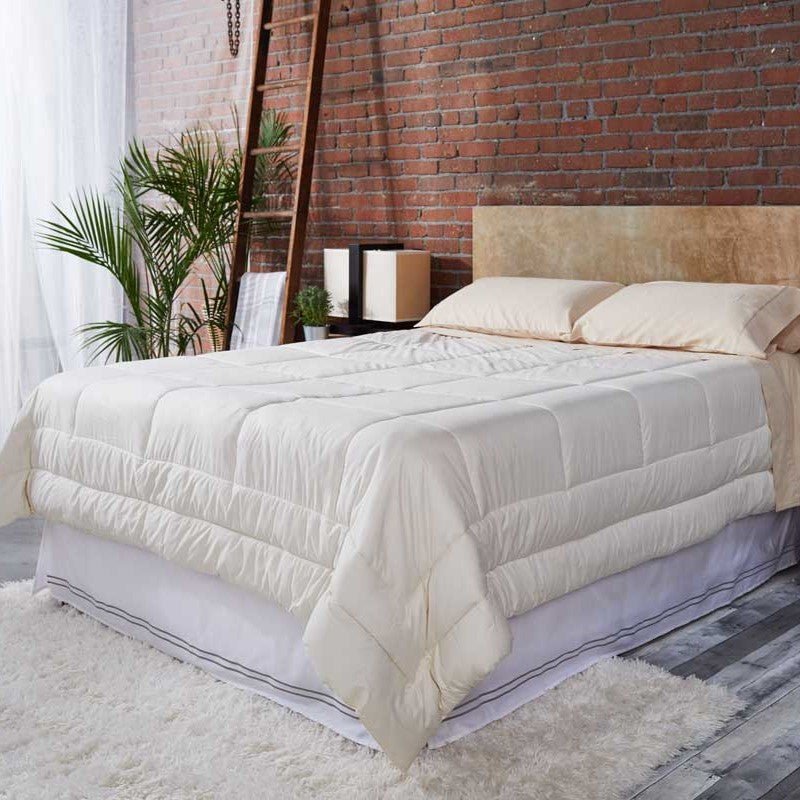
There’s a particular moment familiar to anyone who’s slept under a synthetic comforter through a warm night: the waking up sweaty, kicking the blanket off, pulling it back on an hour later, repeating. It’s a small but persistent annoyance, and it’s exactly the kind of problem that natural-fiber bedding brands like Sleep & Beyond have built their entire catalog around solving.
Wool, Silk, and the Science of Staying Comfortable
Sleep & Beyond specializes in bedding made from natural fibers, primarily organic wool and silk, in the form of comforters, pillows, and mattress pads. The appeal of these materials isn’t just about softness; wool in particular has a genuine physical advantage in bedding because it regulates temperature and manages moisture more effectively than most synthetic fills. It pulls moisture away from the body and releases it, which is part of why wool bedding has a long history in colder, damper climates, and part of why it also performs surprisingly well for people who tend to overheat at night. Silk, meanwhile, brings a lighter, smoother option often used in pillow fills and lightweight covers, favored by people who want breathability without the added warmth of a heavier wool fill.
Who Tends to Seek This Out
Natural-fiber bedding tends to attract a specific kind of shopper: people who’ve already tried multiple synthetic options and still wake up too hot, too cold, or generally uncomfortable, and are ready to try something structurally different rather than just a different price point of the same material. It also draws in buyers who care about where their bedding materials come from and how they’re processed, since organic and naturally sourced fibers appeal to a sustainability-minded audience as much as a comfort-focused one. Sleep & Beyond’s catalog reflects that dual appeal, leaning into both the practical performance of the materials and their more natural origins.
Not Just for Extreme Sleepers
It’s worth noting that you don’t need to be someone with dramatic temperature regulation issues to notice a difference with wool or silk bedding. Even for an average sleeper, the difference in breathability between a synthetic-fill comforter and a wool one is noticeable within the first few nights, particularly across seasonal transitions when a house isn’t yet running heating or cooling consistently. Mattress pads made from these materials serve a similar function, adding a layer of temperature regulation directly beneath the sheets rather than relying solely on a top comforter.
A Simple Idea, Executed Carefully
There’s nothing radical about the concept behind Sleep & Beyond; wool and silk have been used in textiles for centuries. What the brand does is apply that long-established knowledge specifically to modern bedding products, sized and constructed for how people actually sleep today. For shoppers tired of cycling through synthetic comforters that never quite solve the temperature problem, it’s a category worth understanding before buying yet another one.
Visit store