
beauty · Articles
Serums: Reading the Label Properly
Serums: Reading the Label Properly
 Transact Shopping
BEAUTY · GLOBAL
Serums: Reading the Label Properly
Where actives sit, concentration, layering order and introducing them
Serums are where most skincare budgets go and where the label matters most, because the same named ingredient at different concentrations does different things.
What a serum actually is
A lighter, more concentrated preparation designed to deliver active ingredients, applied after cleansing and before moisturiser. The texture is a formulation choice rather than a category with rules.
Concentration is the number to look for
A product listing an active without a percentage tells you nothing. Vitamin C is typically studied at 10 to 20 percent as L-ascorbic acid; niacinamide at 2 to 5 percent, with higher concentrations causing irritation without added benefit.
Ingredients are listed by descending concentration to one percent, so a heavily marketed ingredient near the end of the list is present in token amounts.
The actives with the most behind them
Retinoids for texture, lines and acne, with decades of evidence. Vitamin C for tone and as an antioxidant. Niacinamide for barrier function, redness and pigmentation. Azelaic acid for rosacea and pigmentation.
Hyaluronic acid hydrates the surface and does not do anything structural.
Packaging matters for some
Vitamin C and retinoids degrade with light and air. Opaque airless pumps preserve them far better than jars, and a vitamin C serum that has turned dark orange has oxidised and should be discarded.
Layering
Thinnest to thickest — cleanser, watery treatment, serum, moisturiser, then sunscreen in the morning with nothing over it.
Do not stack multiple exfoliating actives on the same night. Retinoids and acids together is the usual route to a damaged barrier.
Storage and shelf life
Keep serums cool, out of direct sunlight and sealed. Check the open-jar symbol for how many months a product lasts once opened, and discard anything that changes colour, smell or texture.
Buy small bottles of anything that oxidises, since a large one degrades long before it is finished.
The basics still do the work
Daily broad-spectrum sunscreen outperforms any serum by a wide margin. Consistency over months is what produces results rather than the number of products used.
Patch testing
Apply anything new to the inner forearm daily for several days rather than once, since delayed reactions are common. Stop at the first sign of stinging or redness rather than pushing through.
Fragrance, including from essential oils, is among the most common causes of contact allergy in cosmetics.
Cost per use
Divide the price by the number of applications rather than comparing bottle prices, since serums vary enormously in how much product you use for each application.
Introducing anything new
One product every four weeks, patch tested on the inner forearm for several days first. Give it eight to twelve weeks before judging it.
WHERE TO BUY
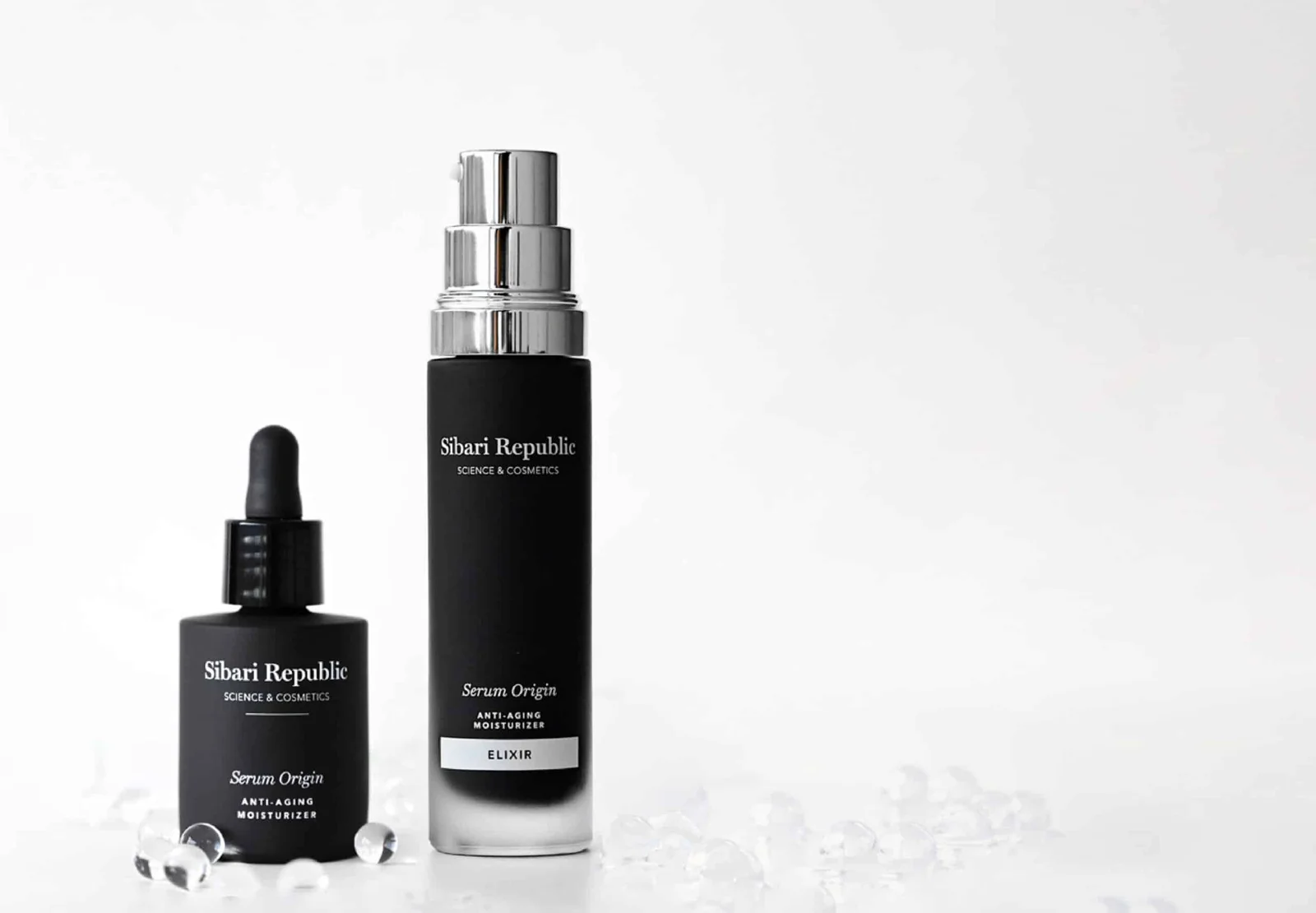
Ready to shop Sibari Republic? Use the link below to visit the official store.
→ Shop Sibari Republic — official site
Visit this site