
health · Articles
Vagus Nerve Stimulation Devices: What the Evidence Shows
Vagus Nerve Stimulation Devices: What the Evidence Shows
 Transact Shopping
WELLBEING · GLOBAL
Vagus Nerve Stimulation Devices: What the Evidence Shows
The proposed mechanism, clinical versus consumer devices, and safety
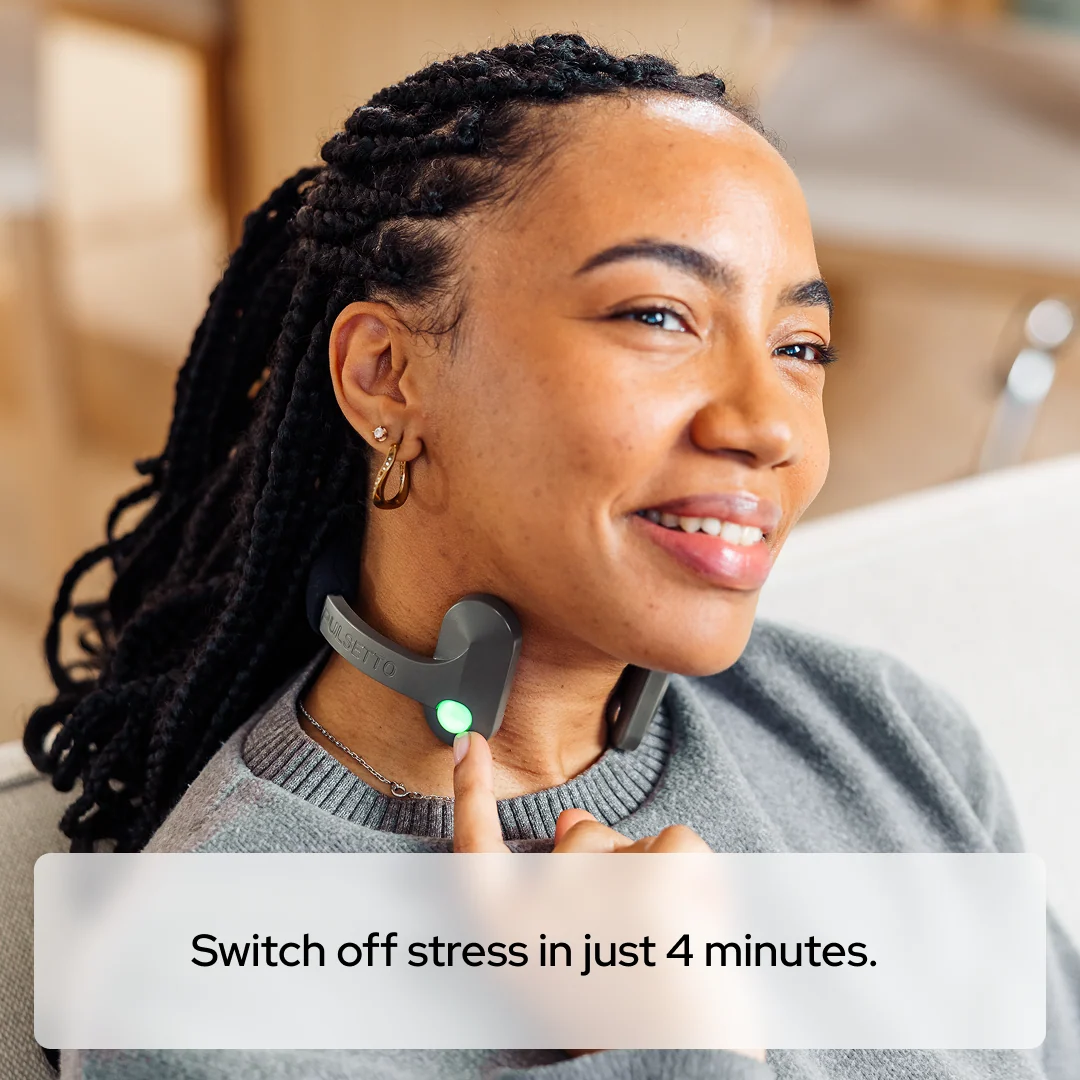
Consumer devices claiming to stimulate the vagus nerve for stress and sleep have grown quickly. The underlying science is real and the gap between the clinical evidence and the consumer claims is worth understanding.
What the vagus nerve does
It is the main nerve of the parasympathetic nervous system, connecting the brain to the heart, lungs and gut, and it influences heart rate, digestion and the body's recovery state.
That much is well established physiology.
Clinical stimulation is a different thing
Implanted vagus nerve stimulation is an established treatment for some drug-resistant epilepsy and depression, and certain non-invasive devices are approved for specific conditions such as cluster headache and migraine.
Those are regulated medical devices used under supervision at defined parameters. A consumer wellness device is not the same product even when the mechanism is described identically.
What the consumer evidence looks like
Studies on transcutaneous stimulation for stress, sleep and heart rate variability are generally small, short-term and frequently funded by manufacturers. Some show measurable changes in heart rate variability; whether that translates into meaningful outcomes is not established.
Treat the category as promising and unproven rather than as demonstrated.
Safety and contraindications
Anyone with a pacemaker or other implanted electrical device, a history of seizures, cardiac arrhythmia, or who is pregnant should not use one without medical advice. Do not use over broken skin or on the neck near the carotid artery without following the instructions precisely.
Stop if you experience dizziness, palpitations, hoarseness or throat discomfort.
Breathing does the same thing free
Slow breathing with a longer exhale than inhale measurably shifts the body towards a calmer state, and it needs nothing at all. Around six breaths a minute for five minutes is the pattern that has been studied most.
Doing that every day is far more likely to help than any device used inconsistently.
Judging a claim
Ask whether a cited study was in humans, how many took part, how long it ran and who funded it. Wellness devices are not held to the evidence standards that medical devices are.
Cost and expectations
Work out the cost against a course of talking therapy or a year of a meditation app, both of which have considerably better evidence behind them for stress and sleep.
Check the returns policy and whether any feature requires an ongoing subscription, which is increasingly common in this category.
Alongside, not instead
Slow breathing with a longer exhale, regular exercise, sleep and cold exposure all affect the same system and cost nothing. These have far better evidence.
Persistent anxiety, low mood or insomnia needs a doctor rather than a device.
WHERE TO BUY
Ready to shop Pulsetto? Use the link below to visit the official store.
→ Shop Pulsetto — official site
Visit this site