
home · Articles
Air Ionisers and Purifiers: What Each Type Does
Air Ionisers and Purifiers: What Each Type Does
 Transact Shopping
HOME · GLOBAL
Air Ionisers and Purifiers: What Each Type Does
Filtration versus ionisation, ozone, what actually removes particles and sizing
Devices sold to clean indoor air work in fundamentally different ways, and the difference matters because one of them has a genuine safety consideration attached.
Filtration removes particles
A true HEPA filter physically traps the overwhelming majority of particles down to a very small size, including dust, pollen and pet dander. The particles are captured in the filter and removed when it is changed.
The machine must also be sealed, since air leaking around a filter takes dust with it. A HEPA filter in an unsealed body is the most common misleading claim in this category.
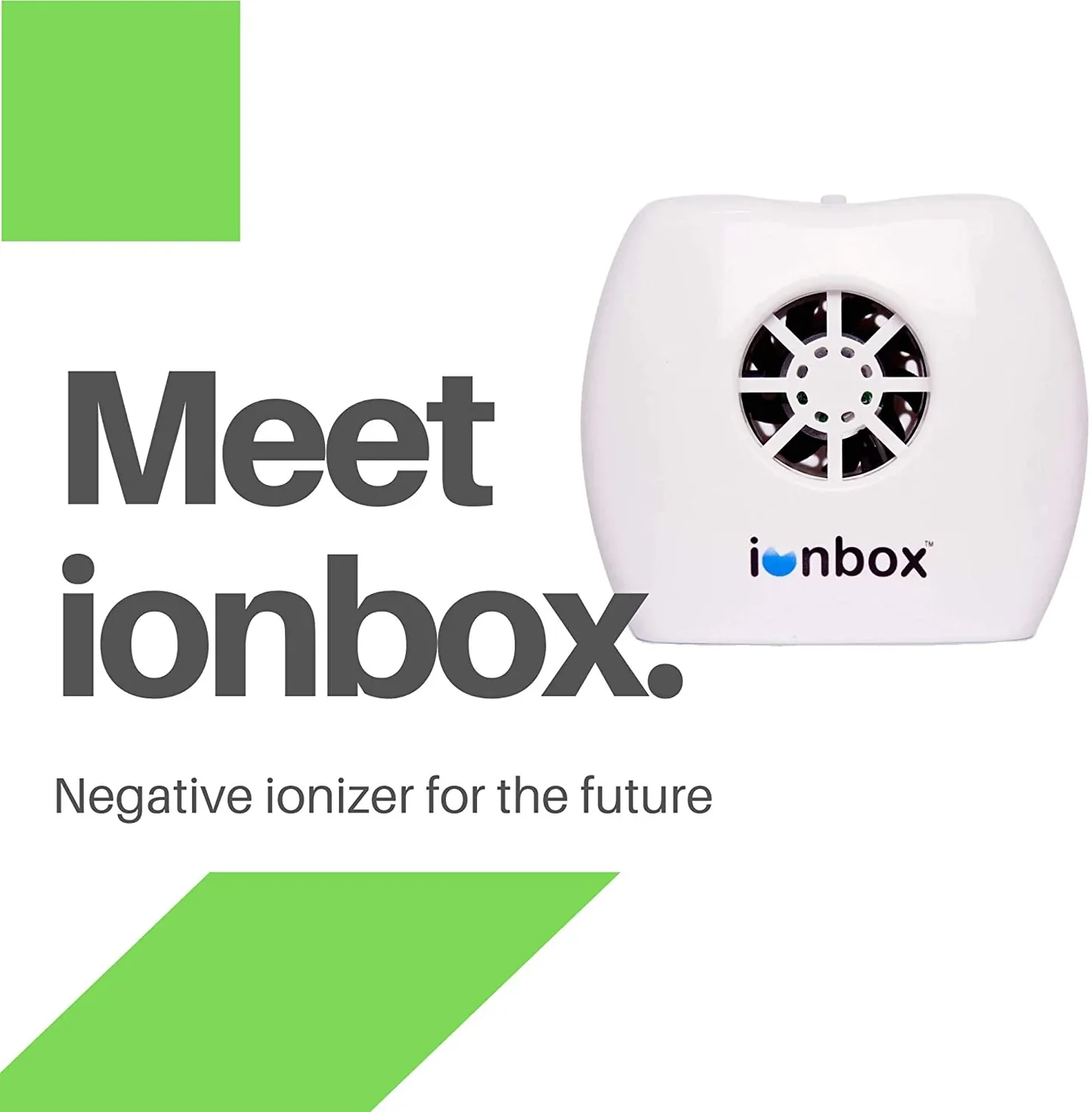
Ionisation works differently
Ionisers charge particles so they clump together and fall out of the air onto surfaces, or stick to a collector plate. The particles are not removed from the room unless you clean the surfaces or the plate.
That is a real effect and a different one from filtration, and it explains why rooms with ionisers sometimes need more dusting.
The ozone question
Some ionising and plasma devices generate ozone as a by-product. Ozone is a lung irritant, and health agencies in several countries advise against ozone generators for occupied spaces.
Look for a device stating it produces no or negligible ozone, and avoid anything marketed on ozone as a feature. If a device produces a distinct sharp smell, ventilate the room and stop using it.
Sizing it
Check the clean air delivery rate and the room size the unit is rated for, and compare on air changes per hour rather than on claims. A unit too small for the space does very little.
Filters are a running cost
Check the price and availability of replacements before buying, and change them on schedule. A clogged filter reduces both airflow and filtration.
Where a purifier genuinely helps
Allergy to pollen, dust mites or pet dander, homes on busy roads, and anywhere with a specific particle source. It helps far less with gases and odours unless the unit contains activated carbon, which is a separate filter.
A purifier does not fix damp or mould. Those need the moisture source addressed.
Placement and running
Somewhere with clear airflow around it rather than against a wall or behind furniture, and in the room you actually spend time in. Running it continuously on a low setting works better than short bursts on high.
Close windows while it runs, or you are filtering the outdoors.
Change filters on schedule rather than when a light comes on, since a clogged filter reduces both airflow and the amount actually captured.
Ventilation first
Opening windows, extracting at the source and removing what causes the problem all do more than any appliance.
WHERE TO BUY
Ready to shop IonPacific? Use the link below to visit the official store.
→ Shop IonPacific — official site
Visit this site