
sports · Articles
Fat-Tyre Electric Bikes and Real-World Range
Fat-Tyre Electric Bikes and Real-World Range
 Transact Shopping
CYCLING · GLOBAL
Fat-Tyre Electric Bikes and Real-World Range
What fat tyres suit, why range claims differ, battery care and the legal limits
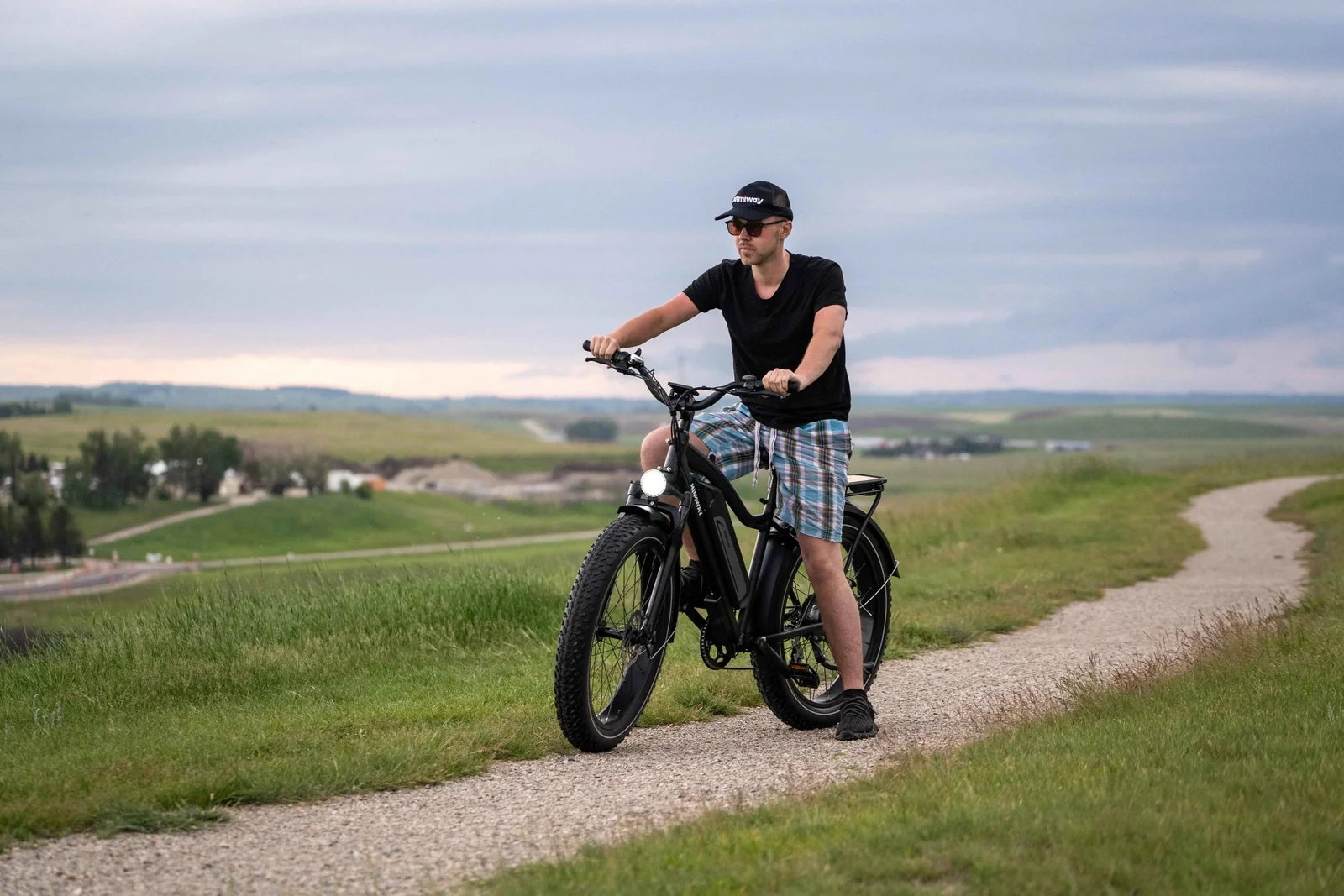
Fat-tyre electric bikes handle surfaces that defeat ordinary bicycles, and they also come with trade-offs that the marketing does not emphasise. Range is the main one.
What fat tyres are for
Wide tyres at low pressure spread weight over soft ground, which makes sand, snow, gravel and mud rideable. They also absorb bumps, which suits rough tracks and riders wanting comfort.
On tarmac they are heavy, slow and draw more power, so a fat-tyre bike used only on roads is carrying a penalty for nothing.
Range claims are best case
Quoted range assumes a light rider, low assistance, flat ground, warm weather and no wind. Real range is frequently half the headline figure.
What actually determines it is battery capacity in watt hours, rider and cargo weight, terrain, assistance level, tyre pressure and temperature. Cold weather can cut range substantially.
Work out the watt hours — voltage multiplied by amp hours — and treat that as the comparable number rather than a quoted distance.
Battery care
Use the supplied charger, charge on a hard surface and never unattended overnight. Store at around half charge if unused for months, and bring the battery indoors before charging in winter.
Never buy a cheap unbranded replacement battery, which is a genuine fire risk.
The legal limits
In the UK and much of Europe an electric bicycle means a 250 watt motor with assistance cutting out around 25 km/h, and no throttle-only propulsion above walking pace on most bikes.
Machines exceeding that are legally mopeds requiring registration, insurance, a licence and a helmet. Check before buying rather than afterwards.
Security
Electric bikes are a theft target and expensive to replace. Use a rated lock, remove the battery when leaving it, record the frame number and register it.
Check whether home insurance covers it away from the property, since many policies exclude bicycles above a value.
Maintenance
Extra weight and torque wear chains, brake pads and tyres faster than on an ordinary bicycle. Check the chain for wear regularly with a chain checker, and replace brake pads well before they reach the wear line.
Riding it safely
A heavy powered bike takes longer to stop and is harder to manoeuvre at low speed than a bicycle. Practise emergency stops somewhere quiet before commuting on it.
Use lights day and night, and a helmet, which is compulsory in several countries and sensible in all of them.
Practical
These bikes are heavy, so check you can lift it and that any rack or car carrier is rated for the weight.
WHERE TO BUY
Ready to shop Himiway? Use the link below to visit the official store.
→ Shop Himiway — official site
Visit this site