shoes · Articles
School Shoes and Growing Feet
School Shoes and Growing Feet
 Transact Shopping
FAMILY · GLOBAL
School Shoes and Growing Feet
Measuring, what a school shoe needs, how often to check and common problems
School shoes are worn for most of the child's waking week, which makes them the most important footwear they own.
Measure properly
Both feet, standing with weight on them, since feet spread under load and are frequently different sizes. Measure length and width, and fit to the larger foot.
Measure at the end of the day when feet are largest, and with school socks rather than thin ones.
Growing room
Roughly a thumb's width beyond the longest toe, which is not always the big toe. More than that causes tripping and uneven wear; less means they are outgrown within weeks.
Buying two sizes up so they last the year is a false economy and causes genuine problems.
What a school shoe needs
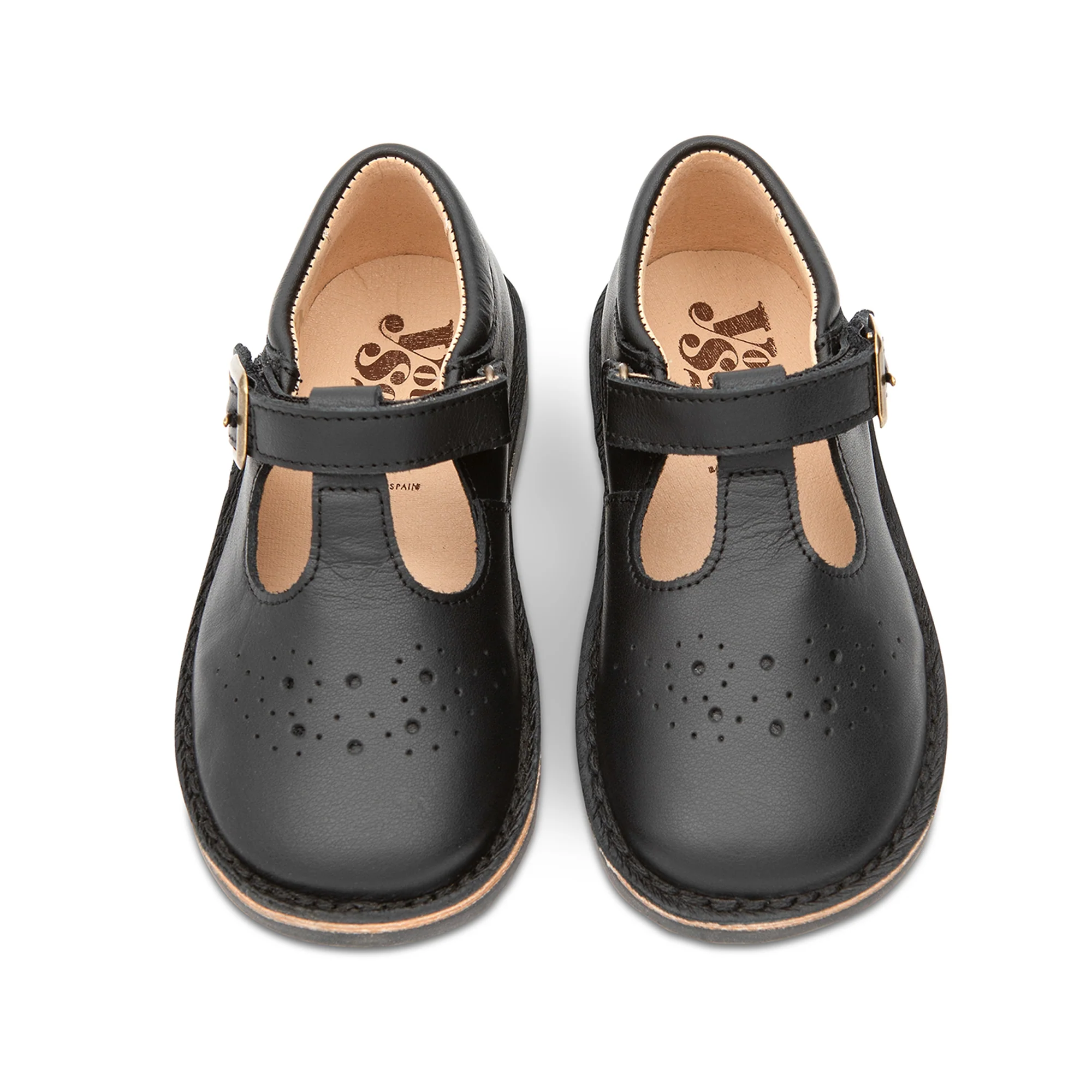
A fastening that holds the foot back in the shoe — laces, a buckle or a proper riptape strap. Slip-ons and loose loafers make the toes grip to keep them on.
A flexible sole that bends at the ball of the foot, a firm heel counter, and a light weight. Leather or a breathable upper, since feet in shoes all day sweat considerably.
Check every six to eight weeks
Feet grow in sudden bursts. Children rarely say a shoe is too small, so check rather than ask — look for red marks after removal, worn patches at the toes of socks and curled toes.
Two pairs
Alternating pairs lets each dry fully, which halves odour problems and makes both last considerably longer than twice as long.
Hand-me-downs
Shoes mould to the wearer's foot, so avoid passing worn shoes between children. Wellingtons and unworn pairs are fine.
Trainers and PE
Children need separate trainers for sport rather than wearing school shoes, since the support and grip requirements differ. Check them for fit as often as school shoes.
Velcro is fine, and learning to tie laces is worth doing at some point.
Foot problems
Persistent pain, limping, or feet that turn markedly in or out warrant a GP or podiatrist. Most variations are normal and resolve, and a professional opinion settles it.
Making shoes last a term
Wipe them clean and polish leather occasionally, dry them slowly away from radiators, and use a shoe horn rather than forcing a heel down. Scuffed toes on new shoes are usually a fit problem rather than carelessness.
Keep the receipt, since many retailers replace shoes that fail early.
Buying sensibly
Get them measured in a shop even if you buy online afterwards, since the length and width fitting is the whole point. Keep a note of the size and the date, which makes the next pair quicker.
Buy at the end of the holidays rather than the first week of term, when shops are busiest and stock is thinnest.
Barefoot indoors
Still the best thing for developing feet.
WHERE TO BUY
Ready to shop Young Soles? Use the link below to visit the official store.
→ Shop Young Soles — official site
Visit this site