
home · Articles
Finishing Wood: Oils, Waxes and Varnishes
Finishing Wood: Oils, Waxes and Varnishes
 Transact Shopping
HOME · UNITED KINGDOM
Finishing Wood: Oils, Waxes and Varnishes
What each finish does, preparation, application and the rag fire risk
Wood finishes fall into those that soak in and those that sit on top, and that difference decides how a surface looks, wears and is repaired.
Penetrating finishes
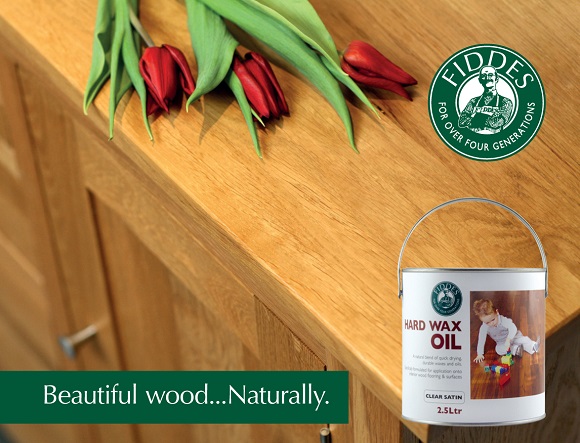
Oils such as danish, tung and hardwax oil soak into the timber and harden within it. They give a natural low-sheen look, are easy to repair locally by sanding and re-oiling, and offer less protection against standing water.
They need recoating periodically, which is maintenance rather than failure.
Surface finishes
Varnish, lacquer and polyurethane form a film over the wood. They protect better against water and heat and cannot be repaired locally — damage means sanding the whole surface back.
Waxes give a soft sheen and very little protection, and work best over another finish rather than alone.
Preparation is most of it
Sand progressively through the grits, always with the grain, and remove all dust with a vacuum and a tack cloth. Finishes reveal scratches rather than hiding them.
Test on an offcut or a hidden area, since the same product looks very different on oak, pine and walnut.
Application
Thin coats, following the grain, with light sanding between coats where the instructions say so. Respect the recoat window — either within it or after full cure, since recoating in between wrinkles the finish.
Touch dry is not cured. Most finishes need days to a week before they tolerate normal use.
Oily rags can catch fire
Rags soaked in linseed, danish or tung oil generate heat as they cure and have caused house fires. Never leave them bundled or in a bin.
Lay them flat outdoors to dry completely, or submerge them in water in a sealed metal container before disposal.
Choosing for the job
Worktops and tables need water and heat resistance, so hardwax oil or a durable varnish. Floors need abrasion resistance. Furniture that will be handled suits oil, which repairs locally.
Exterior wood needs a finish rated for ultraviolet and movement, and recoating every couple of years.
Colour and grain
Oil darkens and enriches wood noticeably; water-based finishes keep it paler. Wipe the bare wood with white spirit or water to preview what an oil or a water-based finish will look like.
Cleaning finished wood
A damp cloth and a mild detergent, dried immediately. Avoid silicone polishes and anything abrasive, and never let water stand on a joint or an edge.
Re-oil oiled surfaces as soon as they start to look dry rather than waiting for water marks to appear.
Ventilation
Work in a ventilated space and use a respirator rated for organic vapours with solvent-based products.
WHERE TO BUY
Ready to shop Wood Finishes Direct? Use the link below to visit the official store.
→ Shop Wood Finishes Direct — official site
Visit this site