other · Articles
Plant Protein Powders
Plant Protein Powders
 Transact Shopping
FITNESS · UNITED KINGDOM
Plant Protein Powders
Protein quality and amino acids, how much you need, reading labels and testing
Plant protein powders work and require slightly more attention than dairy protein, because of how the amino acids are distributed across different plants.
Complete and incomplete
Proteins are judged on their essential amino acid profile. Pea protein is low in methionine, rice protein is low in lysine, and blending the two produces a profile comparable to whey.
That is why most good plant powders are blends rather than single sources. A single-source powder is not wrong and simply needs variety elsewhere in the diet.
Leucine matters for training
Leucine triggers muscle protein synthesis, and plant proteins generally contain less of it per gram than whey. In practice that means a slightly larger serving rather than a different approach.
How much protein you need
Around 0.8 grams per kilogram of body weight is a general baseline. People training regularly, older adults and those losing weight benefit from more, commonly quoted between 1.2 and 1.6 grams per kilogram.
Total daily intake matters far more than timing. The idea of a narrow window after training is not well supported.
Reading the label
Check the protein per serving and the serving size, since a large scoop can hide a modest protein content. Check for added sugar and fillers.
Look for third-party testing, which verifies content and screens for contaminants and banned substances. Plant proteins can accumulate heavy metals from soil, so testing matters here particularly.
Food first
Pulses, tofu, tempeh, nuts, seeds and wholegrains cover protein needs for most people. A powder is convenience rather than necessity.
Blending and taste
Plant proteins are thicker and grittier than whey. Blending with a banana, oats or nut butter improves the texture considerably, and leaving it to sit for a few minutes lets the powder hydrate properly.
Buy a small size of anything new, since taste varies enormously and a large tub you dislike is waste.
When a powder is not the answer
If you are already meeting your protein intake from food, a powder adds calories rather than benefit. Work out what you actually eat before buying one.
Protein across the day
Spreading protein across meals rather than concentrating it in one is generally better for muscle maintenance, particularly for older adults. Breakfast is where most people fall shortest.
Beans on toast, porridge with nuts and seeds, or tofu at lunch all shift the daily total meaningfully.
Quality and testing
Look for a batch number, a manufacturing address and published third-party testing, since heavy metal accumulation from soil is a known issue with some plant sources.
Caution
Anyone with kidney disease should take medical advice before increasing their protein intake substantially.
WHERE TO BUY
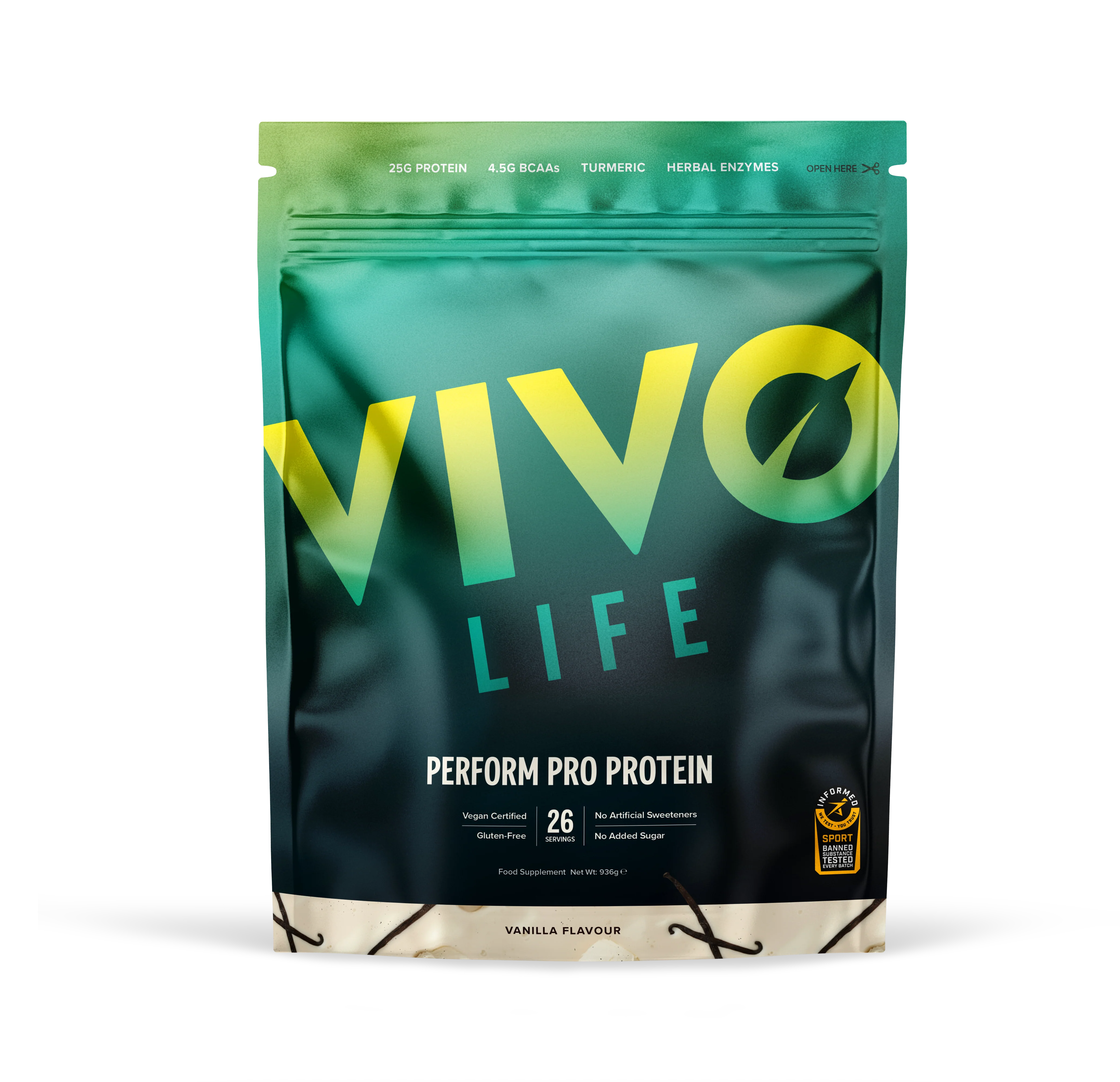
Ready to shop Vivo Life? Use the link below to visit the official store.
→ Shop Vivo Life — official site
Visit this site