
Vistaexpert DE · Articles
Screens, Eye Strain and Blue Light Glasses
Screens, Eye Strain and Blue Light Glasses
TECH · GLOBAL
Screens, Eye Strain and Blue Light Glasses
What actually causes discomfort, what the evidence says, practical fixes and eye tests
Eye discomfort at a screen is common, and the cause is usually not the thing that is most heavily marketed.
What causes it
Digital eye strain comes mainly from reduced blinking, sustained focus at one distance, glare, poor lighting, small text and an uncorrected prescription. Blink rate falls substantially while concentrating, which is why eyes feel dry and gritty.
What the evidence says about blue light
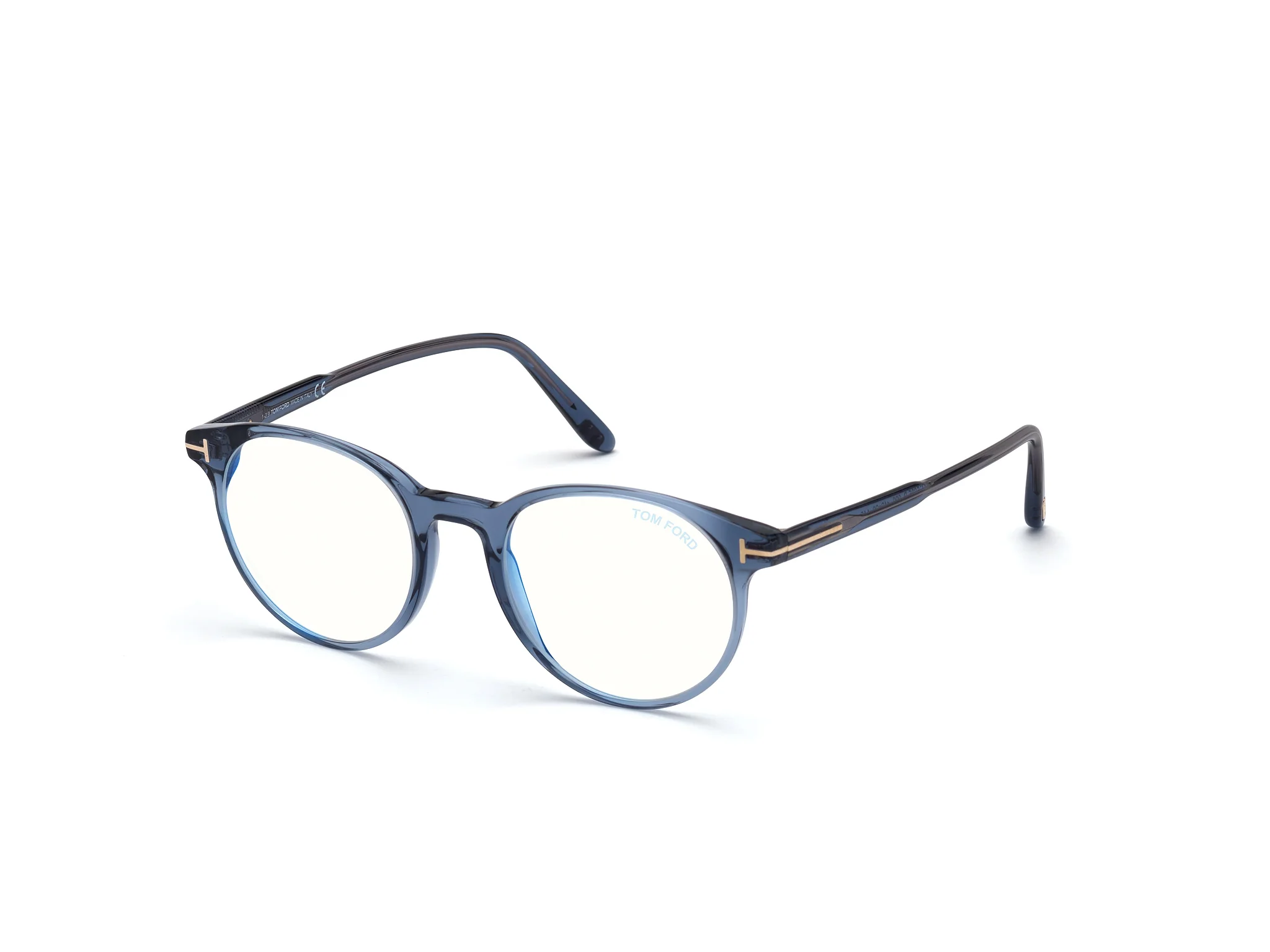
Reviews of the trials have found little good evidence that blue-light filtering lenses reduce eye strain, and professional bodies in several countries have said so plainly.
Screens emit far less blue light than daylight. Evening screen use can affect sleep timing, and reducing brightness and using the device less late at night addresses that more directly than a lens.
What actually helps
Look at something at least six metres away for twenty seconds regularly. Position the screen slightly below eye level at around arm's length. Increase text size rather than leaning in.
Match screen brightness roughly to the room, avoid facing or backing onto a window, and use artificial tears if eyes are dry.
Get an eye test
An uncorrected prescription is a frequent cause, and an intermediate or occupational lens suits screen distances better than reading glasses. Eye tests are free or subsidised for many people, including display screen users through employers in the UK.
Setting up a screen
Top of the screen at or just below eye level, an arm's length away, tilted slightly back. A laptop needs a stand and a separate keyboard to achieve that, which is the single most useful desk change most people can make.
Two screens should sit at the same height, with the main one directly in front of you.
Children and screens
Time outdoors is associated with lower rates of short-sightedness in children, and near work is associated with more. Regular eye tests matter, since children rarely report blurred vision.
Lighting a workspace
Position the screen side-on to a window rather than facing or backing onto it, and add a task lamp for paperwork. Uneven light between the screen and the room is what tires eyes over a day.
Reduce glare with a matte screen or a repositioned lamp rather than turning brightness up.
Dry eyes
Blink deliberately, use preservative-free artificial tears if needed, and see an optometrist about persistent grittiness, since there are treatable causes.
Glasses at a screen
Varifocals designed for general use force the head back to read a screen through the lower segment. An occupational or intermediate lens is made for that distance and is far more comfortable for desk work.
Tell the optometrist how far your screen is and how many hours you use it.
When to see someone
Persistent headaches, double vision, sudden changes or floaters with flashes need prompt assessment.
WHERE TO BUY
Ready to shop Vistaexpert DE? Use the link below to visit the official store.
→ Shop Vistaexpert DE — official site
Visit this site
Visit store