other · Articles
Wheelbarrows and Moving Heavy Loads
Wheelbarrows and Moving Heavy Loads
 Transact Shopping
GARDEN · UNITED KINGDOM
Wheelbarrows and Moving Heavy Loads
Choosing a barrow, tyres, loading and lifting without injuring yourself
A wheelbarrow is a simple tool that people buy too small and load badly, and the consequences land on their back.
Choosing one
Capacity is quoted in litres and by load weight. Around 85 litres is the standard builder's size and suits most garden work. Heavier duty barrows have a thicker tray, a stronger frame and better bearings.
Galvanised steel trays take rubble and hot material. Polypropylene trays are lighter, do not rust and crack in frost or under heavy stone.
Tyres matter more than the tray
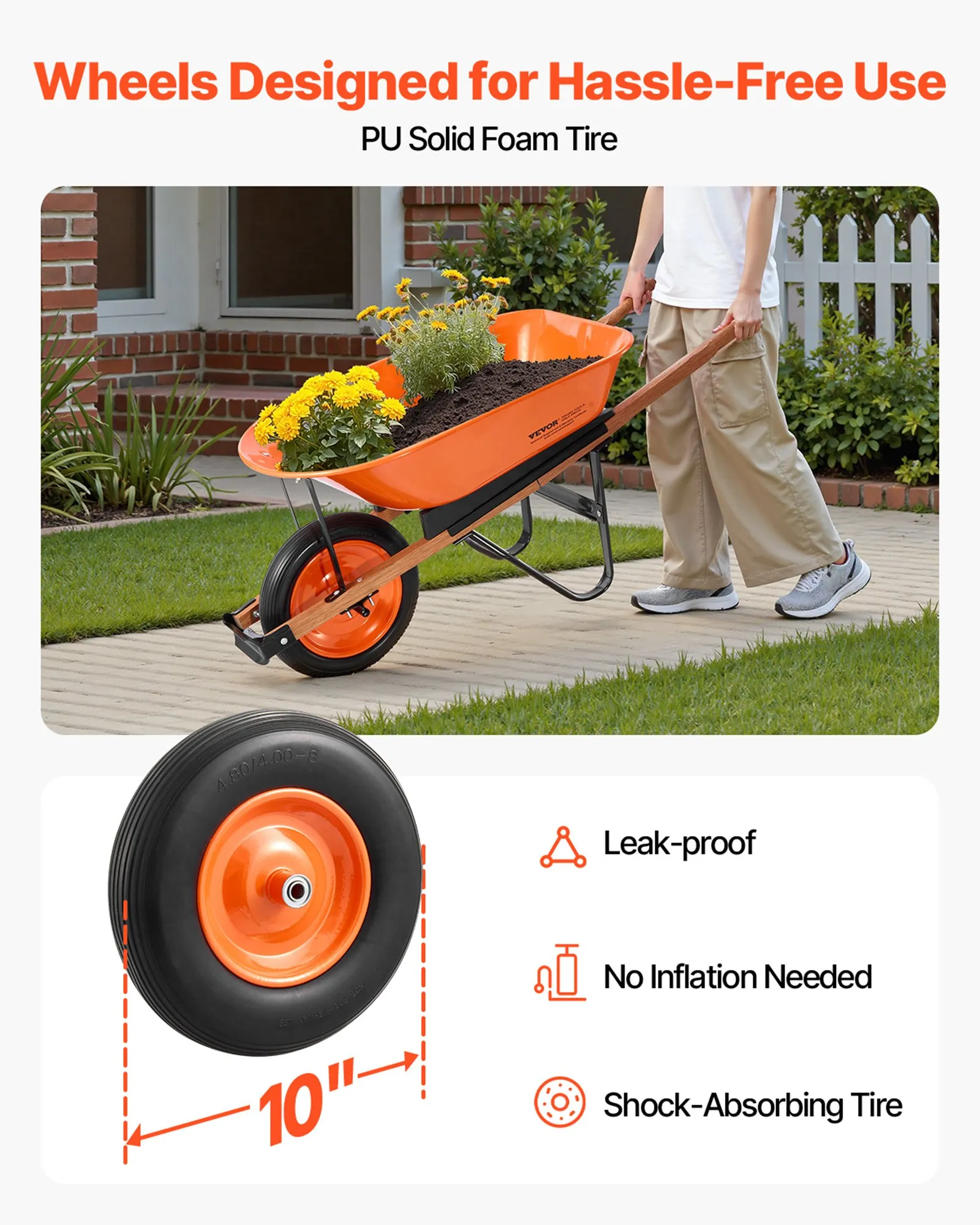
A pneumatic tyre rolls far more easily over rough ground and needs pumping. A solid or puncture-proof tyre never deflates and transmits every bump.
Two-wheeled barrows are far more stable for heavy or awkward loads and are harder to manoeuvre in tight spaces.
Loading properly
Weight towards the front, over the wheel, rather than at the back where you carry it. A load placed at the rear of the tray puts most of the weight through your arms and back.
Two half loads beat one full one. A barrow of wet soil or concrete is considerably heavier than it looks.
Lifting and moving
Bend the knees, keep the back straight, lift with the legs and keep the load close. Turn with your feet rather than twisting the spine, which is how most gardening back injuries happen.
Use a ramp rather than lifting up steps, and get help for anything genuinely heavy.
Maintenance
Check tyre pressure, oil the axle, tighten the bolts and store it out of the weather, ideally upended or under cover.
Moving bulk material
Bulk bags of aggregate, compost and bark are far cheaper per tonne than small bags and need somewhere for a lorry to drop them. Check access and where the bag can sit before ordering.
Cover anything left outside, since wet material is considerably heavier to move.
Protective equipment
Gloves, sturdy boots with toe protection and eye protection for anything that might fly up. Wash hands thoroughly after handling soil or manure.
Storing and maintaining tools
Clean soil and manure off metal after use, since both corrode steel and hold moisture. Store tools under cover, hanging rather than standing on the working end.
Check bolts and handles periodically, since these work loose under repeated load.
Barrow or trolley
A wheelbarrow tips easily and takes bulk material. A four-wheeled garden trolley is far more stable for tall or awkward loads such as plants and bags, and is easier for anyone with limited grip or balance.
Sack trucks suit boxes and appliances and are the better answer for anything that needs carrying up a step.
Alternatives
A garden trolley or a tipping cart suits awkward loads, and flexible tubs move surprising quantities for very little money.
WHERE TO BUY
Ready to shop Vevor UK? Use the link below to visit the official store.
→ Shop Vevor UK — official site
Visit this site