
health · Articles
Wearables and Health Tracking
Wearables and Health Tracking
 Transact Shopping
HEALTH · GLOBAL
Wearables and Health Tracking
What they measure well, what they do not, anxiety and using the data sensibly
Wearables measure some things accurately, infer others, and are sold on a picture of health that is broader than what they can actually see.
What they measure reasonably well
Steps and movement, heart rate at rest, heart rate variability and skin temperature trends. Sleep timing — when you were still and when you moved — is tracked reasonably.
Trends over weeks are far more reliable than any single night or reading.
What they infer
Sleep stages are estimated from movement and heart rate rather than measured, and agree only moderately with clinical sleep studies. Calorie burn, recovery scores and readiness are proprietary calculations rather than measurements.
Treat a readiness score as one input alongside how you actually feel, which remains the better guide.
They are not medical devices
Some have regulatory clearance for specific features such as detecting irregular rhythm, and that is narrow and specific. A normal reading does not exclude illness, and symptoms matter more than numbers.
Do not delay seeing a doctor about a symptom because a device says everything is fine. Equally, take a persistent irregular rhythm alert to a doctor rather than dismissing it.
Orthosomnia
Clinicians have described people whose sleep worsened through anxiety about their sleep scores. If tracking is making you anxious, turn the scores off and keep the alarm.
Data and privacy
Health data is sensitive. Read what is collected, where it is stored, what is shared with third parties and what happens if the company is sold.
Batteries and longevity
These are small sealed devices with batteries that degrade within a few years and frequently cannot be replaced. Ask what happens at end of life and whether the company offers a replacement or recycling route.
Check whether the features you are buying require an ongoing subscription, since several do.
Sleep advice that works
A consistent wake time, morning daylight, a cool dark room and caffeine stopped by early afternoon have far stronger evidence than any tracking device, and cost nothing.
Rings, watches and bands
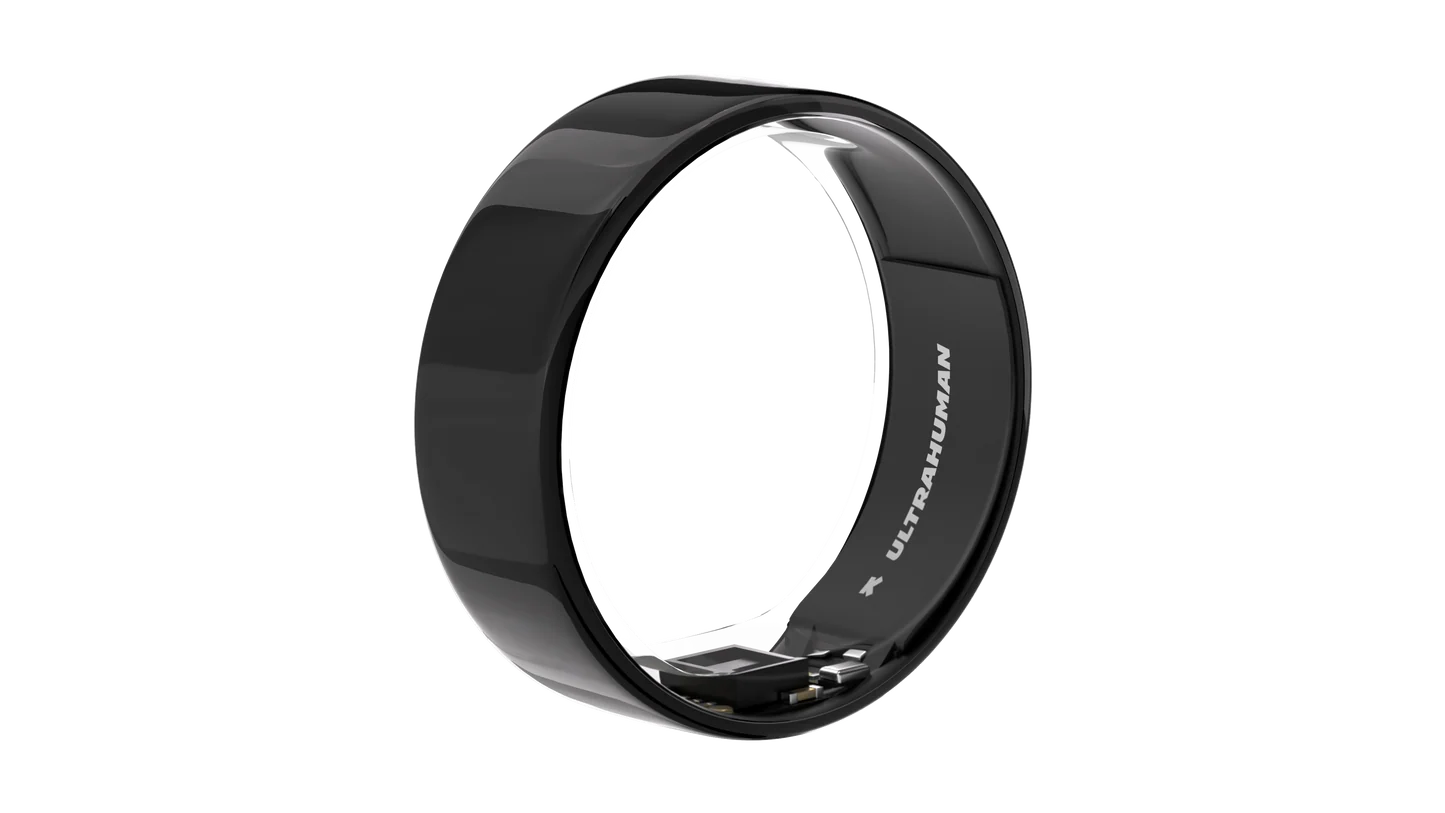
Rings are unobtrusive and good for sleep and resting measures, and have no screen. Watches show data and notifications and are bulkier overnight. Chest straps remain the most accurate for heart rate during exercise.
Wrist optical sensors are least accurate during high-intensity or gripping exercise, which is worth knowing before trusting a training zone.
When to see a doctor
Persistent symptoms — chest pain, breathlessness, palpitations, unexplained fatigue — need a clinician regardless of what a device shows. A repeated irregular rhythm alert is worth taking in and discussing rather than dismissing.
Bring the actual data rather than a summary, since some devices export a recording that a doctor can read.
Using it well
Pick one or two metrics that connect to something you can change — bedtime, steps, alcohol — and ignore the rest.
WHERE TO BUY
Ready to shop Ultrahuman? Use the link below to visit the official store.
→ Shop Ultrahuman — official site
Visit this site