
other · Articles
Buying and Working With Treated Timber
Buying and Working With Treated Timber
 Transact Shopping
HOME · GLOBAL
Buying and Working With Treated Timber
Treatment classes, where each is used, cutting and fixings, and handling safely
Treated timber is graded by where it can be used, and using the wrong class is the commonest reason outdoor timber rots years early.
Use classes
Timber is classified by the exposure it is treated for. Use class 2 suits dry internal framing, class 3 suits outdoor use above ground such as fencing and decking, and class 4 suits timber in ground contact such as posts.
Putting a class 3 rail into the ground is the standard mistake. Ask for the use class rather than assuming green timber is green timber.
Treated and kiln dried
Treatment adds moisture, so freshly treated timber is wet and heavy and will shrink as it dries. Kiln-dried-after-treatment timber is more stable and costs more.
Let ordinary treated timber acclimatise on site for a few days before fixing where you can.
Cut ends need treating
Preservative penetrates a limited depth, so every cut, notch and drilled hole exposes untreated wood. Brush end-grain preservative onto cuts, particularly anything that will sit in ground or take water.
This single step adds years to a fence or a deck.
Fixings
Modern preservatives are corrosive to ordinary steel. Use stainless steel or properly coated fixings rated for treated timber, or the screws fail before the wood does.
Avoid mixing metals in contact, which accelerates corrosion.
Handling safely
Wear gloves, eye protection and a dust mask rated for wood dust when cutting. Wood dust is a recognised carcinogen and treated timber dust should not be inhaled.
Never burn treated timber, indoors or out, since the smoke and ash are hazardous. Dispose of offcuts through a waste site that accepts it.
Finishing and maintenance
Treated timber can be stained or painted once it has dried out, which takes weeks rather than days. Painting wet treated timber traps moisture and the finish fails.
Recoat fences and decking every couple of years, since the treatment protects against rot and the surface coating protects against weathering.
Buying sensibly
Order a little over what you calculate, since timber includes warped and split lengths. Sight along each piece at the yard and reject anything bowed.
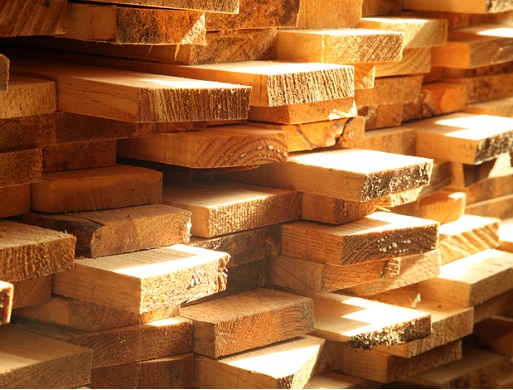
Store flat and off the ground under cover, with spacers between layers so air can circulate.
Posts and ground contact
Posts fail at the ground line, where wet and air meet. Concrete the post with the concrete sloped away from the timber, or use a metal post spike so the timber never touches soil.
A gravel board below fence panels keeps the panel itself out of contact with wet ground.
Ordering
Timber is sold in nominal sizes that differ from actual measurements, so check the finished dimensions.
WHERE TO BUY
Ready to shop Travis Perkins? Use the link below to visit the official store.
→ Shop Travis Perkins — official site
Visit this site