
clothing · Articles
Organic Cotton and Ethical Printing
Organic Cotton and Ethical Printing
 Transact Shopping
FASHION · GLOBAL
Organic Cotton and Ethical Printing
What the certifications mean, printing methods, judging claims and care
Printed clothing is sold with a range of environmental and ethical claims, and a small number of them are actually checkable.
Certifications that mean something
GOTS covers organic fibre content plus environmental and social criteria through the whole supply chain, and is the strongest single mark. OEKO-TEX Standard 100 tests the finished product for harmful substances and says nothing about how it was farmed or who made it.
Fairtrade cotton addresses grower prices. Each mark answers a different question, so check which claim is being made.
Organic cotton
Grown without synthetic pesticides and fertilisers, which reduces chemical load and typically gives lower yields. It uses water differently rather than uniformly less, and claims of dramatic water savings should be treated carefully.
Certified organic content is a stated percentage, so look for the figure.
Printing methods
Water-based and discharge inks feel softer and avoid PVC-based plastisol. Direct-to-garment printing uses water-based ink and less setup waste, which suits small runs.
Print on demand avoids unsold stock, which is a genuine environmental gain in a category built on overproduction.
Judging a claim
Ask where garments are made, whether the blanks are certified, and what the certification number is. Vague language about sustainability without a mark is not verifiable.
Care
Wash inside out and cool, never tumble dry, and do not iron over a print. Heat is what cracks printing.
Fit and sizing
Check the actual chest and length measurements rather than the letter, since blanks vary considerably between suppliers. Unisex sizing is usually a men's cut and fits differently across the chest and hip.
Check whether the fabric is pre-shrunk, since untreated cotton can lose a size on a hot wash.
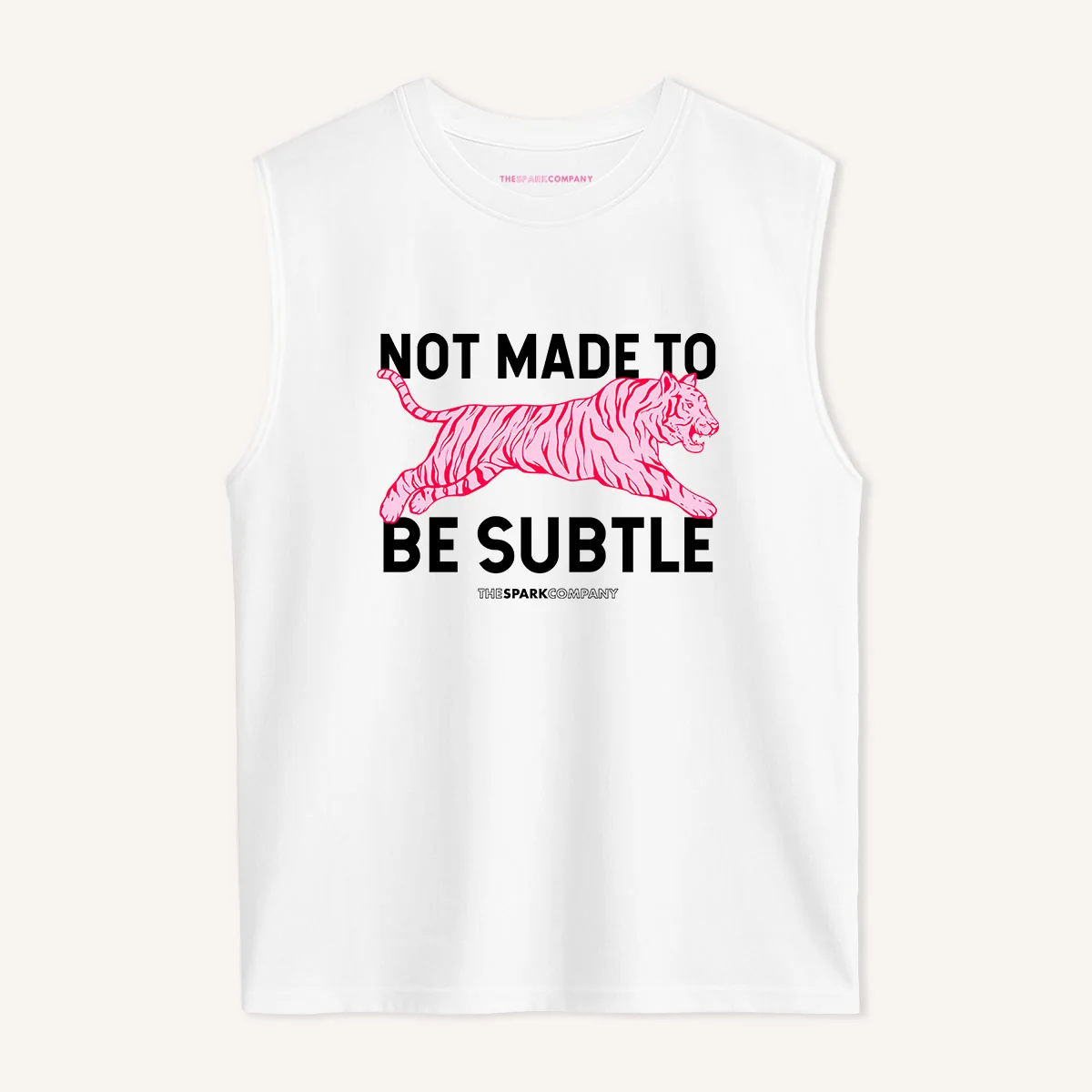
Slogan clothing
Anything worn on a body makes a statement in every room the wearer enters. That is the point, and it is worth being certain about the wording before buying it as a gift.
Making it last
Wash inside out and cool, dry in shade and never tumble dry. Heat is what cracks prints, and a single hot cycle does more damage than a season of wearing.
Where the impact is
Wearing a garment twice as long halves its impact per wear, which outweighs almost every other consideration including the fibre. Buying less and keeping it longer is the whole of it.
Repair small holes and seams rather than replacing, and pass clothing on rather than binning it — textile banks take worn items for recycling.
Check the garment weight in grams, since thin fabric goes transparent and wears through.
The largest factor
Wearing a garment longer outweighs almost every other consideration.
WHERE TO BUY
Ready to shop The Spark Company? Use the link below to visit the official store.
→ Shop The Spark Company — official site
Visit this site