beauty · Articles
Organic and Natural Claims in Cosmetics
Organic and Natural Claims in Cosmetics
 Transact Shopping
BEAUTY · GLOBAL
Organic and Natural Claims in Cosmetics
What is certified and what is not, reading a percentage, and what it does not tell you
Organic and natural mean very different things on a cosmetic label, and only one of them is verifiable.
Organic is certifiable
Schemes such as COSMOS, along with national certifiers, set rules on ingredient sourcing, permitted processing and minimum organic content, and they audit. A certified product carries the scheme's logo and can be checked on its register.
Because water cannot be organic, the percentages are stated in a specific way — organic content of the total, and of the agricultural ingredients. A product can be 20 percent organic overall and still certified.
Natural is not
There is no legal definition of natural, clean or chemical-free in cosmetics, and everything is a chemical. These words describe marketing positioning rather than composition.
Natural also does not mean gentler. Essential oils and botanical extracts are among the more common causes of contact allergy, and fragrance-free is the useful label for reactive skin.
What certification does not tell you
Whether the product works, whether it suits your skin, or whether it is better for the environment overall. Certification covers ingredients and processing rather than efficacy.
Preservatives
Anything containing water needs preserving, and certified schemes permit a limited list. A product claiming to be preservative-free either contains no water or has a very short life.
Patch testing
Apply anything new to the inner forearm daily for five to seven days rather than once, since allergic reactions are frequently delayed. Repeat it when a brand reformulates.
Introduce one product every four weeks so you know what caused a reaction.
Sustainability claims
Organic certification covers ingredients rather than packaging, carbon or water use. Look for separate, specific figures on those rather than assuming one implies the others.
Where to spend
Sunscreen, a moisturiser you will use generously and any treatment for a diagnosed condition.
What actually changes skin
Daily sunscreen, a retinoid, treatment for a diagnosed condition, and consistency over months. Those outperform every ingredient story at every price point.
A short routine used properly beats a long one used inconsistently.
Reading an ingredient list
Ingredients are listed in descending order to one percent, so a botanical near the end is present in a tiny amount. That is not dishonest, and it does mean the marketing story rarely matches the formula.
Store products cool and sealed rather than on a sunny windowsill.
Certified and uncertified
Certification costs money and time, so some small brands make genuinely good products without it. The absence of a logo is not proof of anything, and the presence of one is checkable.
Ask a brand directly what its claims are based on.
Buying sensibly
Check the ingredient list, patch test anything new for several days, and buy small sizes.
Look for the open-jar symbol, since natural formulations frequently have shorter lives.
WHERE TO BUY
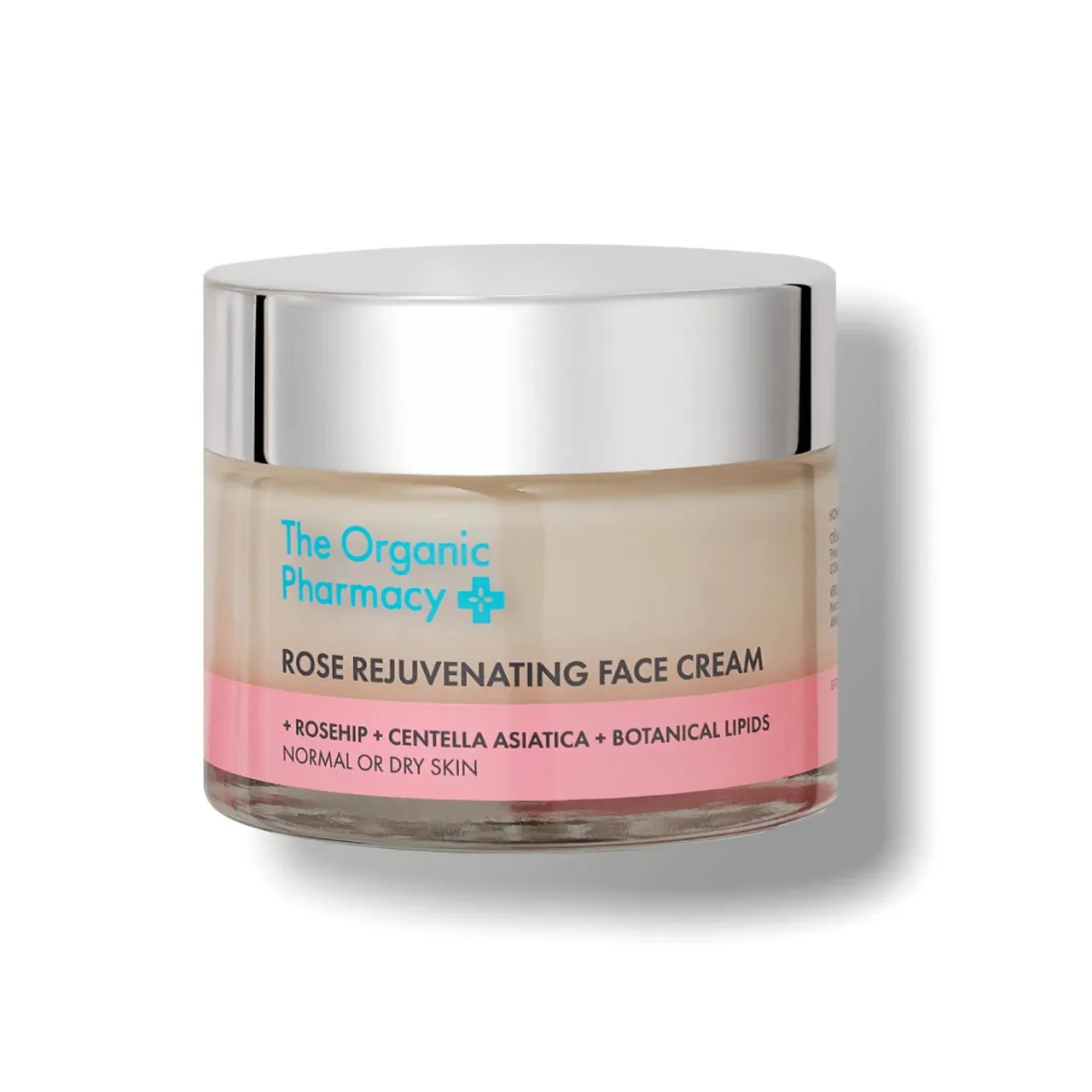
Ready to shop The Organic Pharmacy? Use the link below to visit the official store.
→ Shop The Organic Pharmacy — official site
Visit this site