
health · Articles
Muscle Soreness and Recovery
Muscle Soreness and Recovery
 Transact Shopping
FITNESS · GLOBAL
Muscle Soreness and Recovery
What DOMS is, what actually helps, what the evidence does not support, and when it is injury
Soreness a day or two after unfamiliar exercise is normal, and most of what is sold to treat it does very little.
What DOMS is
Delayed onset muscle soreness peaks around 24 to 72 hours after unaccustomed effort, particularly eccentric work such as downhill running or lowering weights. It involves microscopic muscle damage and inflammation, and it resolves on its own.
It is not caused by lactic acid, which clears within an hour of stopping.
What actually helps
Sleep, adequate protein and total calories, and gentle movement, which increases blood flow and generally feels better than rest. Building load gradually is what prevents it recurring.
Getting sore is not a measure of a good session, and the effect diminishes rapidly as the body adapts to a new movement.
What the evidence is weaker on
Stretching before or after has little effect on soreness. Massage and foam rolling produce small short-term improvements in perceived soreness rather than in performance. Compression garments and ice baths show mixed results, and regular cold immersion after strength training may blunt some adaptation.
None of these are harmful, and enjoying them is a reasonable reason to use them.
Anti-inflammatories
Routine use after training to mask soreness is not advisable, since inflammation is part of the adaptation. Speak to a pharmacist rather than taking them habitually.
Warming up and cooling down
Ten minutes of gradually increasing movement before hard effort prepares muscles and reduces injury risk. A cool down mainly makes people feel better and has little effect on next-day soreness.
Mobility work is worth doing for its own sake rather than as a soreness treatment.
Sleep and food
Sleep is where adaptation happens, and under-eating is the most common reason training feels harder than it should. Protein spread through the day supports repair.
Training around soreness
Train other muscle groups, reduce intensity, or move gently. Repeating the same hard session on very sore muscles is how people get injured.
Supplements
Evidence for most recovery supplements is thin. Adequate protein, carbohydrate and sleep do the work, and creatine and caffeine have evidence for performance rather than for soreness.
Speak to a pharmacist before combining anything with prescribed medication.
Returning after a break
Expect soreness for the first couple of weeks and build back at well below your previous load, since connective tissue adapts more slowly than fitness returns.
Keep a note of training load, since soreness usually follows a jump in it.
When it is not soreness
Sharp or localised pain, swelling, pain during rather than after exercise, or anything that worsens over days warrants a physiotherapist or a doctor.
Very dark urine with severe soreness after extreme exertion needs urgent medical attention.
WHERE TO BUY
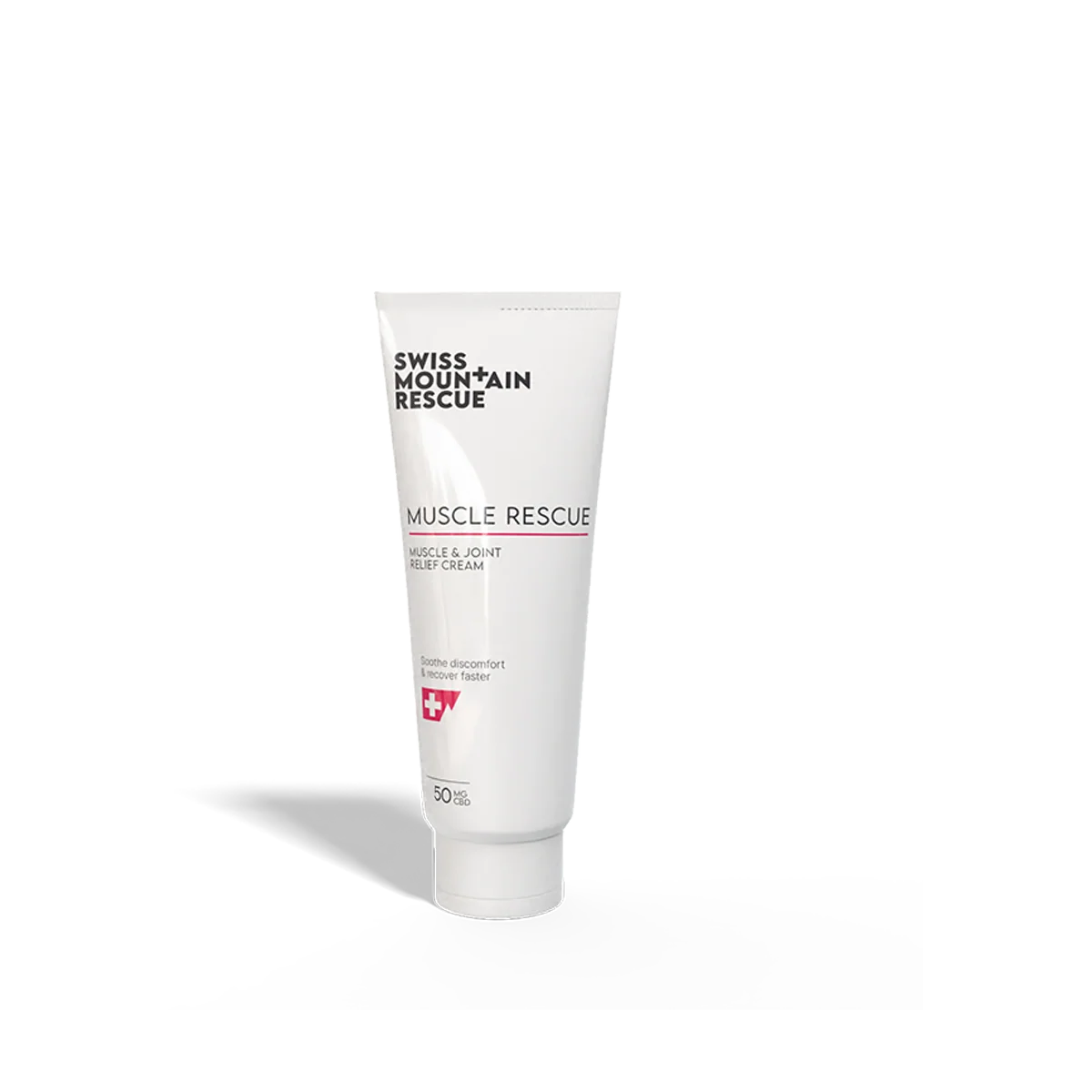
Ready to shop SMR? Use the link below to visit the official store.
→ Shop SMR — official site
Visit this site