other · Articles
Repairing and Upcycling Clothes
Repairing and Upcycling Clothes
 Transact Shopping
FASHION · UNITED KINGDOM
Repairing and Upcycling Clothes
Repairs worth learning, alterations, upcycling honestly and what to do with the rest
Keeping a garment in use longer outweighs almost every other environmental decision in a wardrobe, and most of the repairs involved are straightforward.
Repairs worth learning
Sewing on a button, closing a seam, fixing a hem and darning a small hole. Those four cover the large majority of what makes people stop wearing something.
A basic kit — needles, thread in a few colours, small scissors, pins and a thimble — costs very little and lives in a drawer.
When to pay someone
Zips, linings, leather and anything tailored. An alterations shop charges a fraction of a replacement, and a jacket taken in or trousers hemmed transform something already owned.
Cobblers resole shoes and replace heels, which most people never consider.
Visible repair
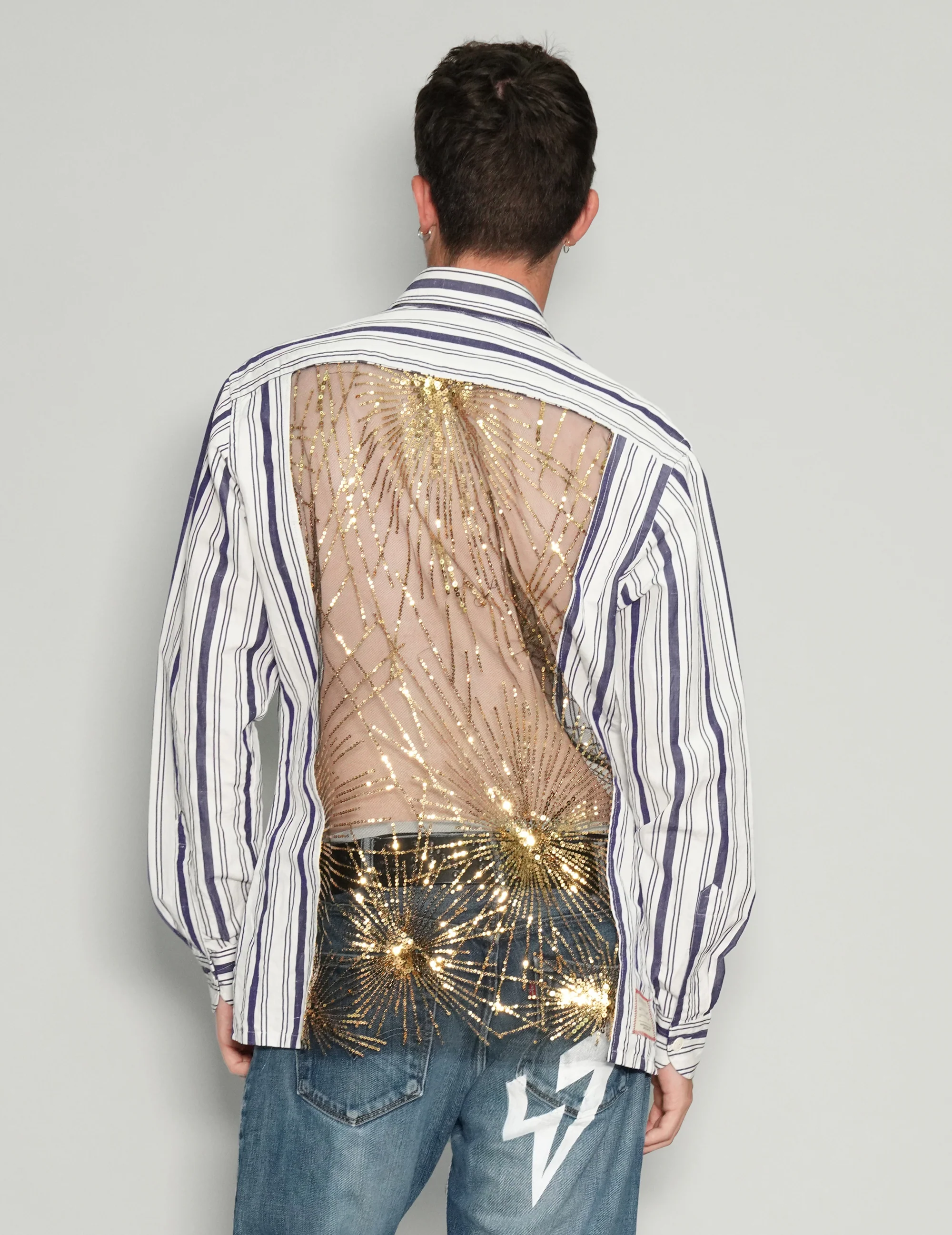
Darning and patching openly, rather than hiding the mend, has become a style in its own right. It is easier than an invisible repair and it lasts longer.
Upcycling honestly
Altering something you will actually wear is worthwhile. Turning a garment you dislike into a different garment you also dislike is not, and a half-finished project in a cupboard helps nobody.
Start with simple changes — shortening, dyeing, replacing buttons — which change a garment considerably for little work.
Moths and storage
Store clean, since larvae are attracted to skin oils and food residue rather than to clean wool. Sealed boxes for long storage.
Buying with repair in mind
Natural fibres, generous seam allowances, replaceable buttons and stitched rather than glued construction all make a garment repairable. Check the inside of a garment rather than the outside.
Ask whether the brand offers a repair service, which several now do.
Dyeing
Natural fibres take dye well and synthetics generally do not. Dyeing a faded garment darker is the easiest rescue there is.
Learning the basics
A short course at a local sewing shop or a community workshop teaches in an evening what videos take months to convey. Many areas have repair cafés where volunteers mend things for nothing.
Start on something you would otherwise throw away, since the stakes are low.
Tools
Sharp scissors kept only for fabric, good thread and the right needle for the material. Cheap thread snaps and ruins a repair.
Where to take things
Alterations shops, cobblers, dry cleaners with a repair service and jewellers all mend far more than people realise, usually for a fraction of replacement. Ask before assuming something is finished.
Many councils and community groups run repair events.
Keep spare buttons from new garments, since matching one later is difficult.
The rest
Resale, charity shops, clothing swaps and textile banks, which take worn items for recycling rather than the bin.
WHERE TO BUY
Ready to shop Stuart Trevor? Use the link below to visit the official store.
→ Shop Stuart Trevor — official site
Visit this site