
accessories · Articles
Caps and Everyday Headwear
Caps and Everyday Headwear
 Transact Shopping
ACCESSORIES · GLOBAL
Caps and Everyday Headwear
Fits and shapes, materials, sizing and sun protection
A cap is a small purchase that people wear constantly, and the differences between shapes are more noticeable than the price suggests.
The shapes
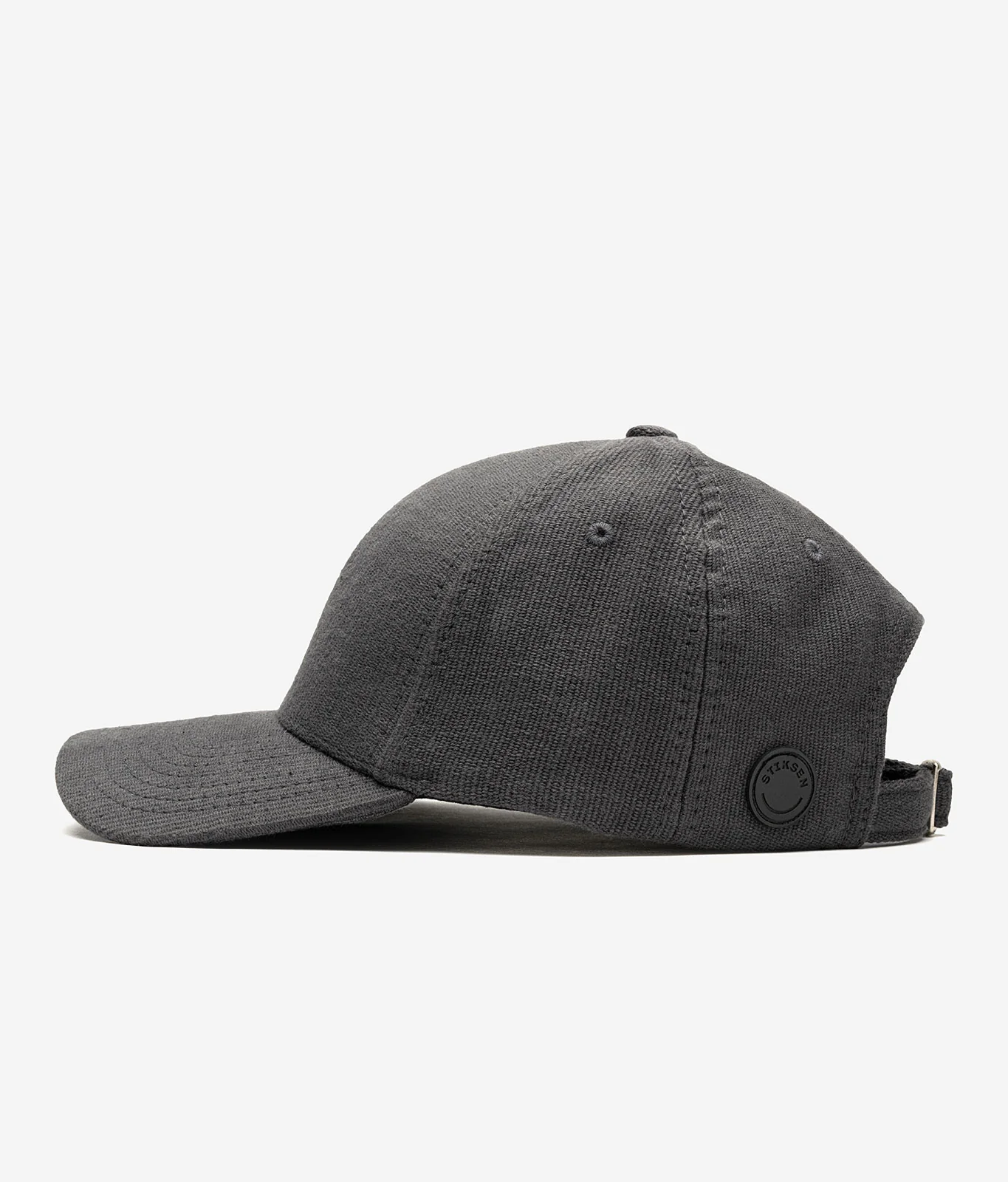
A five-panel cap has a flat front and a shallower crown, which suits smaller heads and reads more casual. A six-panel has a seam down the middle and a deeper crown.
Structured caps hold their shape with a stiffened front panel. Unstructured caps sit softer against the head and pack flat, which suits travel.
Flat caps and bucket hats sit differently again, and a bucket hat offers considerably more sun coverage than either.
Materials
Cotton twill is the standard and softens with wear. Wool suits colder weather and holds shape. Technical fabrics wick sweat and dry fast, which matters for anything worn while active.
Check the sweatband, since that is what determines comfort over a day and where a cheap cap fails first.
Sizing
Measure around the head about a centimetre above the ears. Fitted caps come in actual sizes; adjustable ones cover a range and the adjuster is visible at the back.
A cap should sit level without pressing. Too tight causes headaches and marks the forehead.
Sun protection
A cap protects the forehead and scalp and leaves the ears and the back of the neck exposed, which is exactly where people burn and where skin cancers are frequently found.
For a day outdoors, a brimmed hat of at least seven and a half centimetres all round protects far more, and sunscreen on the ears and neck matters either way.
Buying sensibly
One well-made cap worn constantly beats several cheap ones. Check the peak is a shape you actually like, since flat and curved peaks read very differently.
Dark colours hide sweat marks; pale cotton shows them permanently.
Caring for a cap
Sweat salt marks the peak and the band permanently if left, so wipe the sweatband after heavy use and let a damp cap dry naturally. Never leave one crushed in a bag.
Store caps stacked or on a hook rather than squashed, which distorts the crown.
Hats and hair
A satin or smooth lining reduces friction on hair, which matters for textured and fragile hair. A cap worn very tightly every day can also contribute to breakage around the hairline.
Check the peak is stiff enough to hold its shape, since a floppy peak is the first sign of a cheap cap.
Care
Hand wash in cool water and dry on something the right shape. Never put a structured cap in a machine or a dryer, which ruins the peak.
WHERE TO BUY
Ready to shop Stiksen? Use the link below to visit the official store.
→ Shop Stiksen — official site
Visit this site