
other · Articles
Road Running Shoes and When to Replace Them
Road Running Shoes and When to Replace Them
 Transact Shopping
FITNESS · GLOBAL
Road Running Shoes and When to Replace Them
Cushioning and stability, drop, rotating pairs and gait analysis
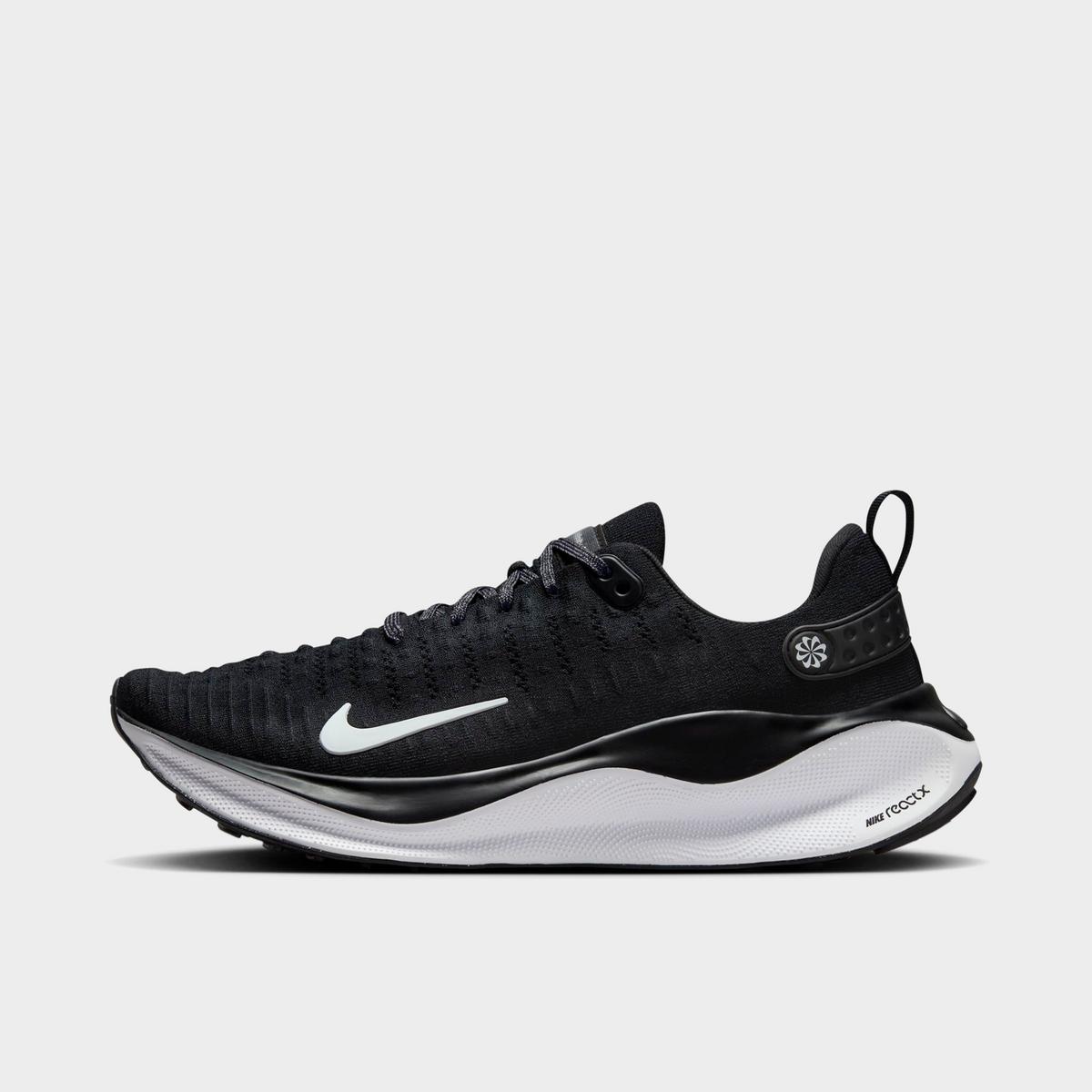
Running shoes are chosen on comfort more reliably than on any biomechanical theory, and a few specifications tell you what a shoe is built for.
Cushioning and stack
Higher stack heights cushion long slow miles and reduce stability. Lower stack gives ground feel and suits faster running. Most runners are best served by a moderately cushioned daily trainer for the majority of their mileage.
Carbon-plated racing shoes are built for speed on race day and are expensive and short-lived.
Stability
Support shoes use firmer foam or guide rails to limit inward roll. Modern advice has moved away from prescribing them by foot type, since the evidence that matching shoes to arch height prevents injury is weak.
Comfort in the shoe is the best available predictor, which is why trying them matters more than the category.
Drop
Heel-to-toe drop shifts load between the calf and achilles and the knee. Neither is correct, and changing it significantly should be done gradually over weeks.
Rotating pairs
Two pairs alternated lets each midsole recover and is associated with lower injury rates in at least one study. It also spreads the cost rather than saving it.
When to replace
Commonly between 500 and 800 kilometres, and the better signal is how they feel — new aches with no change in training usually mean the midsole is finished.
The upper frequently looks fine long after the foam is dead.
Buying shoes
Try them at the end of the day with running socks, allowing around half a centimetre at the toe, and run in them rather than standing still. Many shops allow a short treadmill test.
Last season's model is frequently identical and heavily discounted, which is the easiest saving in running.
Socks and blisters
Technical socks rather than cotton, fitted with no wrinkles, and deal with a hot spot when you feel it rather than after it becomes a blister.
Building mileage
Increase distance gradually rather than jumping, since most running injuries come from doing too much too soon rather than from shoes. A rough guide is small weekly increases with an easier week every fourth.
Persistent pain needs a physiotherapist rather than a different shoe.
Cleaning
Brush mud off, wash by hand in cool water and dry away from radiators, since heat separates glued soles and distorts the shape. Never put running shoes in a machine.
Keep a note of the mileage on each pair, since it is impossible to judge afterwards.
Gait analysis
Useful as one input, particularly for narrowing a shortlist. Treat a treadmill video as information rather than a diagnosis, and see a physiotherapist about persistent pain.
WHERE TO BUY
Ready to shop Sportwerk? Use the link below to visit the official store.
→ Shop Sportwerk — official site
Visit this site