food · Articles
Mushroom Coffee and Adaptogens
Mushroom Coffee and Adaptogens
 Transact Shopping
HEALTH · GLOBAL
Mushroom Coffee and Adaptogens
What is actually in them, the evidence for each ingredient, caffeine and cautions
Blended drinks combining coffee, functional mushrooms and adaptogens are marketed on focus and calm, and the ingredients differ enormously in how well studied they are.
What is in them
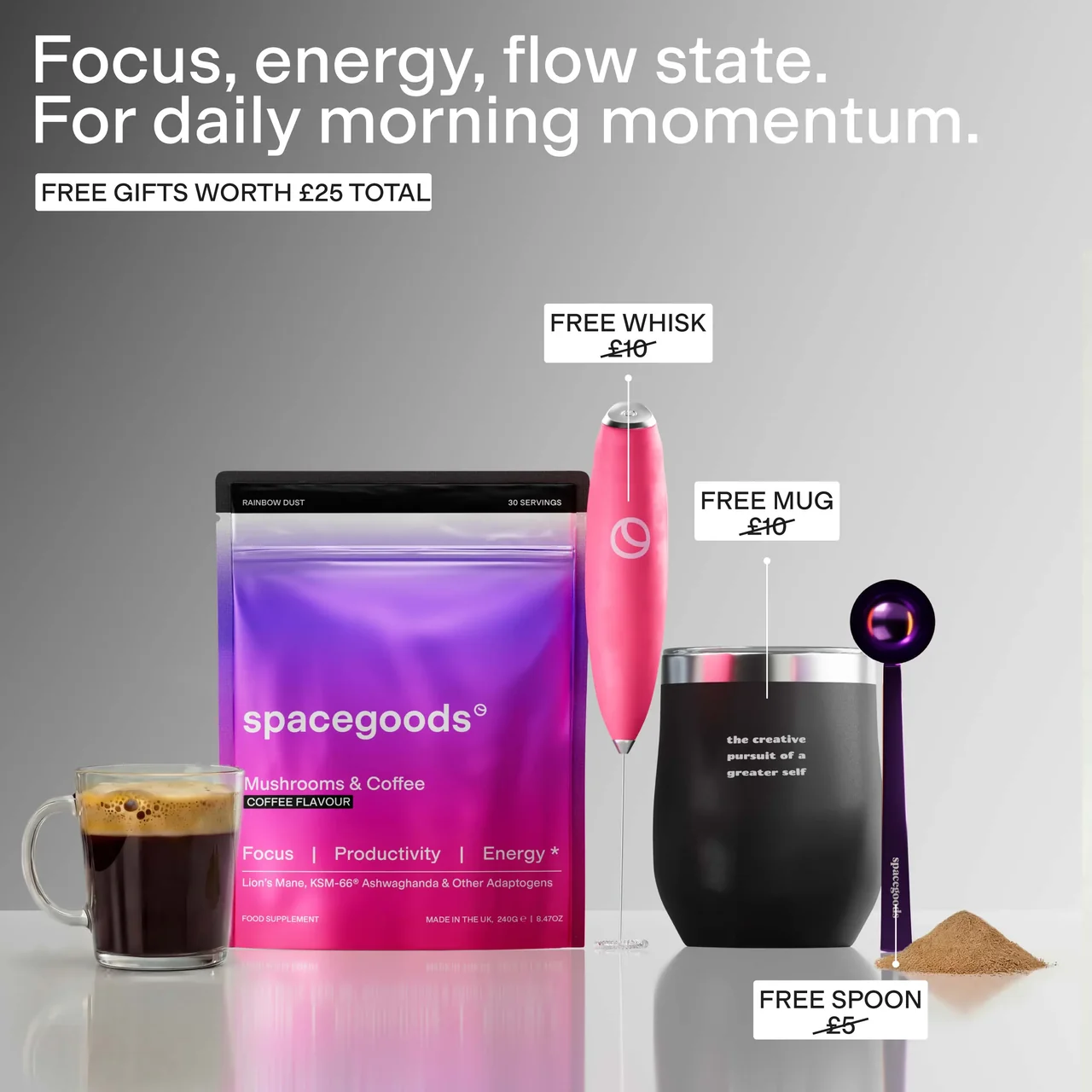
Usually a coffee or cacao base with extracts of lion's mane, cordyceps, reishi or chaga, plus adaptogens such as ashwagandha and rhodiola, and sometimes L-theanine.
Check whether the mushroom content is fruiting body extract or mycelium grown on grain, since the latter contains a large proportion of starch. A stated beta-glucan percentage is the useful figure.
Where the evidence sits
Lion's mane has small human studies suggesting possible cognitive effects, with limited and preliminary results. Ashwagandha has reasonable evidence for stress and sleep measures in several trials.
Cordyceps, reishi and chaga have mostly laboratory and animal work. Rhodiola has mixed results for fatigue.
L-theanine with caffeine has decent evidence for attention, which is the most reliably supported combination in the category.
Dose matters
Trials use specific doses, and a blend spreading several ingredients across one scoop frequently delivers far less than any of them. Compare quantities per serving against the studies.
Caffeine
Many of these contain meaningful caffeine, and some are sold as a gentler alternative while containing a similar amount. Check the milligrams per serving, since caffeine has a half-life of around five hours.
Cost per serving
Work out the price per daily serving and compare it against buying the individual ingredients, since single-ingredient extracts at researched doses are usually considerably cheaper.
Buy a small size first, since taste is divisive and a large tub you dislike is waste.
Sleep and focus
Consistent sleep, morning daylight, and caffeine stopped by early afternoon do more for concentration than anything in this category, and cost nothing.
Reading the label
Look for the extract ratio or a standardised active percentage, the part of the mushroom used, and the milligrams per serving. A proprietary blend listing ingredients without quantities cannot be assessed at all.
Third-party testing matters here, since mushroom products can accumulate heavy metals from their growing substrate.
Who should take advice first
Anyone pregnant or breastfeeding, anyone with a thyroid or autoimmune condition, and anyone on regular medication including sedatives, thyroid drugs or immunosuppressants.
Stop and see a doctor if you develop nausea, abdominal pain, dark urine or yellowing of the skin, since liver injury has been reported with some botanical supplements.
Who should be careful
Ashwagandha is not recommended in pregnancy and interacts with thyroid and sedative medication, and cases of liver injury have been reported. Anyone with an autoimmune condition, or on immunosuppressants, should take advice.
Tell your doctor and pharmacist what you take, including anything described as natural.
WHERE TO BUY
Ready to shop Spacegoods? Use the link below to visit the official store.
→ Shop Spacegoods — official site
Visit this site