
other · Articles
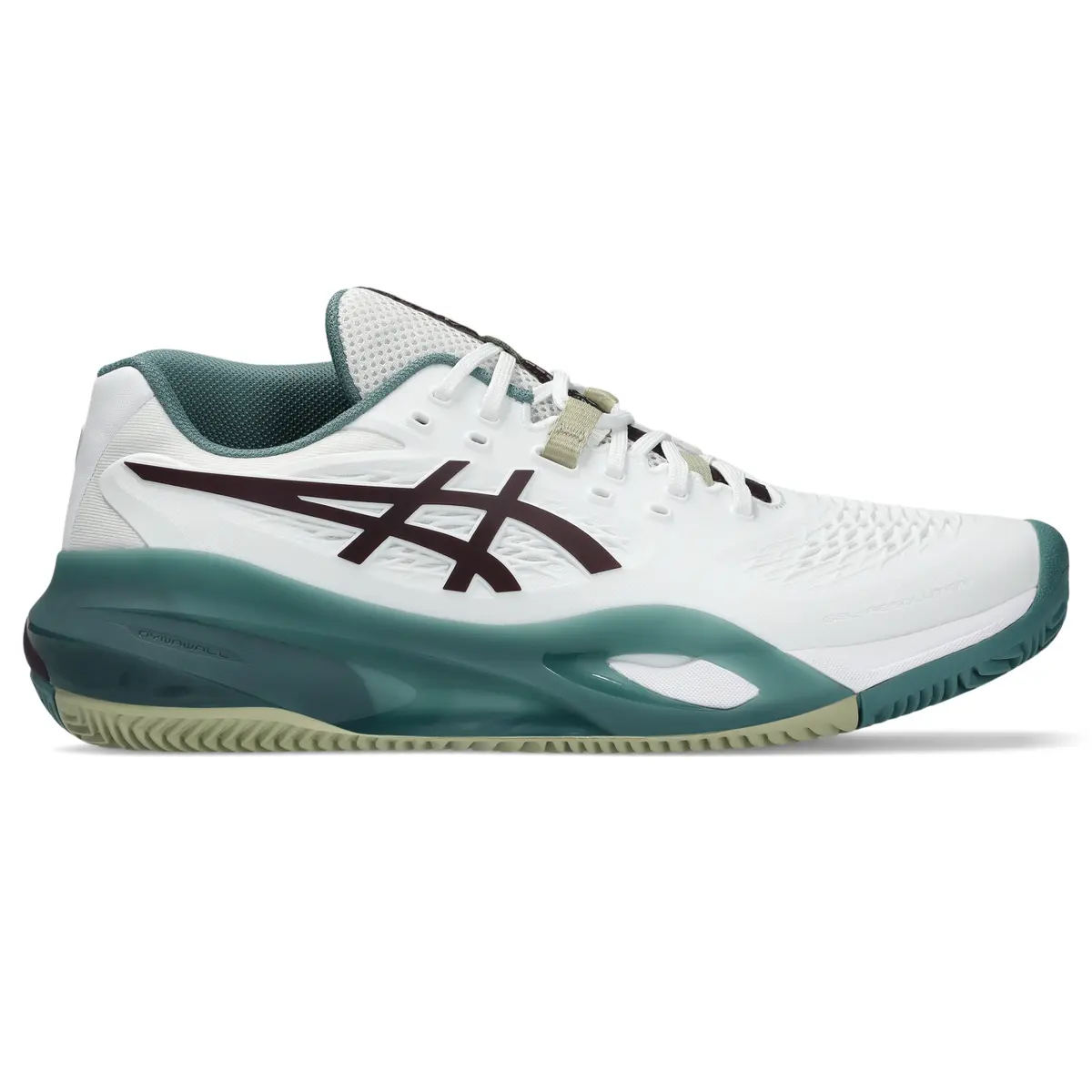
Court Shoes for Tennis, Badminton and Squash
Court Shoes for Tennis, Badminton and Squash
 Transact Shopping
SPORT · GLOBAL
Court Shoes for Tennis, Badminton and Squash
Why court shoes differ, outsoles by surface, fit and injury prevention
Court sports involve stopping, changing direction and moving sideways, which is precisely what running shoes are not built for.
Why running shoes are wrong
A running shoe has a soft compressible midsole and a narrow base designed for forward motion. In a lateral movement the foot rolls over the edge of it, which is how ankles are sprained.
Court shoes have a wider, flatter base, reinforced sides and a lower profile for stability.
Outsoles by surface
Clay court shoes use a herringbone pattern that sheds clay and allows a controlled slide. Hard court shoes have a more durable compound and usually carry an outsole warranty. Grass shoes use pimples for grip.
Indoor shoes for badminton and squash have non-marking gum soles, which most venues require. Check before turning up, since black-soled shoes are frequently refused.
Fit
Snug with around half a centimetre at the toe, since the foot slides forward on every stop. Heel lock matters more than in any other shoe — a slipping heel causes blisters and instability.
Try them at the end of the day with the socks you play in, and move sideways rather than just walking.
Replacing them
When the outsole is smooth or the midsole has compressed, which happens long before the upper looks worn. Playing in dead shoes is a common cause of knee and ankle problems.
Injury prevention
Warm up properly including sideways movement, build volume gradually, and treat persistent ankle or knee pain with a physiotherapist rather than new shoes.
Other court kit
Grip tape replaced regularly does more for racket control than a new racket. Eye protection is compulsory for squash in many clubs and for juniors, and squash ball injuries to the eye are serious.
Check what your club requires before turning up.
Rackets
Weight, balance and grip size matter more than the model. A grip too small makes you hold on too tightly, which contributes to elbow problems.
Playing surfaces and shoes
Wearing outdoor shoes indoors damages sprung floors and is refused by most venues. Keep court shoes for the court, which also keeps the soles clean and grippy.
Check the sole pattern against what your club uses, since clay, hard court and indoor soles are not interchangeable.
Warming up
Ten minutes of movement including sideways steps, lunges and gentle rallying before playing hard. Court sports start explosively, which is where calf and achilles injuries happen.
Build playing volume gradually at the start of a season rather than arriving unprepared.
Socks
Technical socks rather than cotton, and deal with a hot spot when you feel it.
WHERE TO BUY
Ready to shop Smash-Expert? Use the link below to visit the official store.
→ Shop Smash-Expert — official site
Visit this site