home · Articles
Plastic-Free Cleaning Sponges and Cloths
Plastic-Free Cleaning Sponges and Cloths
 Transact Shopping
HOME · GLOBAL
Plastic-Free Cleaning Sponges and Cloths
What conventional sponges are made of, the alternatives, hygiene and composting
Cleaning sponges are used constantly, thrown away regularly and are almost all plastic, which is why alternatives have appeared.
What conventional sponges are
Most are polyurethane foam with a polyester scouring layer — plastic throughout. They shed microplastics in use and do not break down in landfill.
Cellulose sponges are made from wood pulp and are compostable if they have no plastic scourer attached. Check the composition rather than the packaging colour.
The alternatives
Cellulose and loofah for general washing up. Coconut coir and sisal for scouring. Wooden dish brushes with replaceable heads, which last far longer than any sponge.
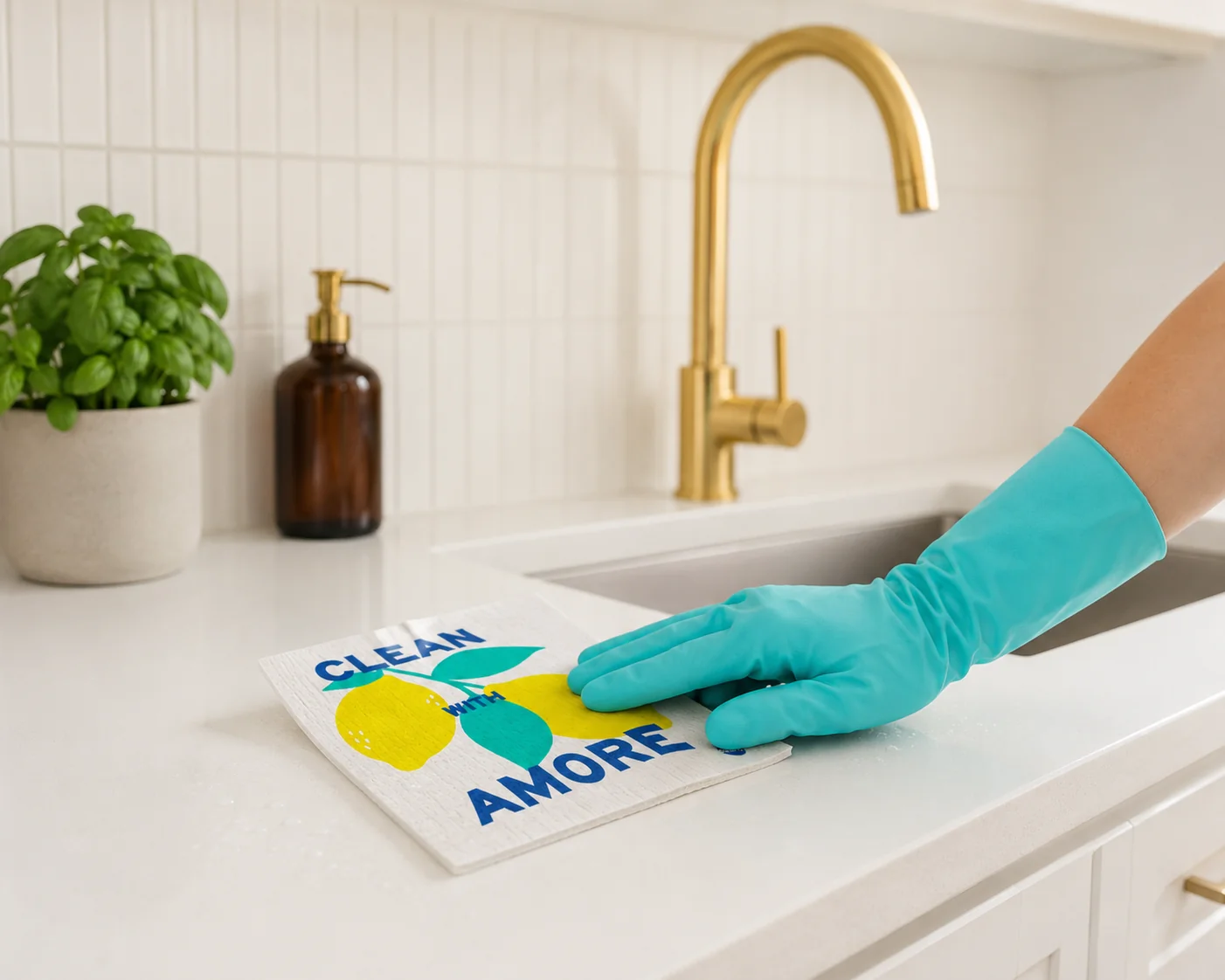
Swedish dishcloths in cellulose and cotton absorb a great deal, dry stiff and go in the compost at the end.
Hygiene matters more than material
A damp sponge is one of the most bacteria-laden objects in a kitchen. Rinse thoroughly, wring out and let it dry fully between uses, which is what actually limits growth.
Wash cloths at sixty degrees regularly and replace sponges before they smell. A sponge that smells has already grown a substantial population.
Keep separate cloths for the kitchen, the bathroom and any raw meat preparation, and colour code them.
Composting
Cellulose and natural fibre items compost at home if they are genuinely free of synthetic thread and glue. Cut them up first, since they break down slowly whole.
Cleaning products generally
Warm water with a little washing-up liquid and a decent brush handles the large majority of household cleaning. Never mix products, particularly bleach with anything acidic.
Washing up efficiently
A bowl of hot water uses far less than running the tap, and a dishwasher run full uses less water than washing the same load by hand. Scrape rather than pre-rinsing under a running tap.
Use the eco cycle, which is longer and uses less energy and water than the quick one.
Buying
Check whether a brush head is replaceable and whether replacements are sold separately, since that is what makes a wooden brush last years.
Kitchen hygiene generally
Separate chopping boards for raw meat, hot soapy water on surfaces after preparation, and a fridge kept below five degrees. A thermometer costs very little and most home fridges run warmer than people assume.
Replace or wash cloths and sponges far more often than feels necessary.
Reducing what you buy
Most households own several cleaning products doing the same job. Working through what you have before buying anything new is both cheaper and less wasteful, and it usually reveals duplicates.
Concentrates and refills reduce packaging considerably where refills are genuinely available near you.
Cost
Brushes with replaceable heads work out cheaper over a year than sponges bought every month.
WHERE TO BUY
Ready to shop Seep? Use the link below to visit the official store.
→ Shop Seep — official site
Visit this site