other · Articles
Cheaper Train Travel and Upgrades
Cheaper Train Travel and Upgrades
 Transact Shopping
TRAVEL · UNITED KINGDOM
Cheaper Train Travel and Upgrades
Advance fares, splitting tickets, railcards and last-minute upgrades
Rail fares vary enormously for the same journey, and a handful of techniques reliably reduce the price. Most people pay the walk-up fare because they do not know the alternatives exist.
Advance fares
Released typically twelve weeks ahead and limited in number, these are the cheapest tickets and are tied to a specific train. Missing that train usually means buying a new ticket.
Set a calendar reminder for the day tickets covering your date are released, since the cheapest price bands sell out first.
Split ticketing
Buying separate tickets for consecutive legs of one journey is legal provided the train calls at each split point. It frequently costs substantially less than a single through ticket.
You do not have to change trains, only remain on a service that stops there. Several tools do the calculation automatically.
Railcards
Discount cards for age groups, couples, families and regions typically pay for themselves in one or two journeys. Check every category you might qualify for, since several are not widely known.
Off-peak timing
Travelling half an hour later frequently halves the fare, since peak restrictions apply by departure time. Check the restriction code on the ticket rather than assuming.
Upgrades
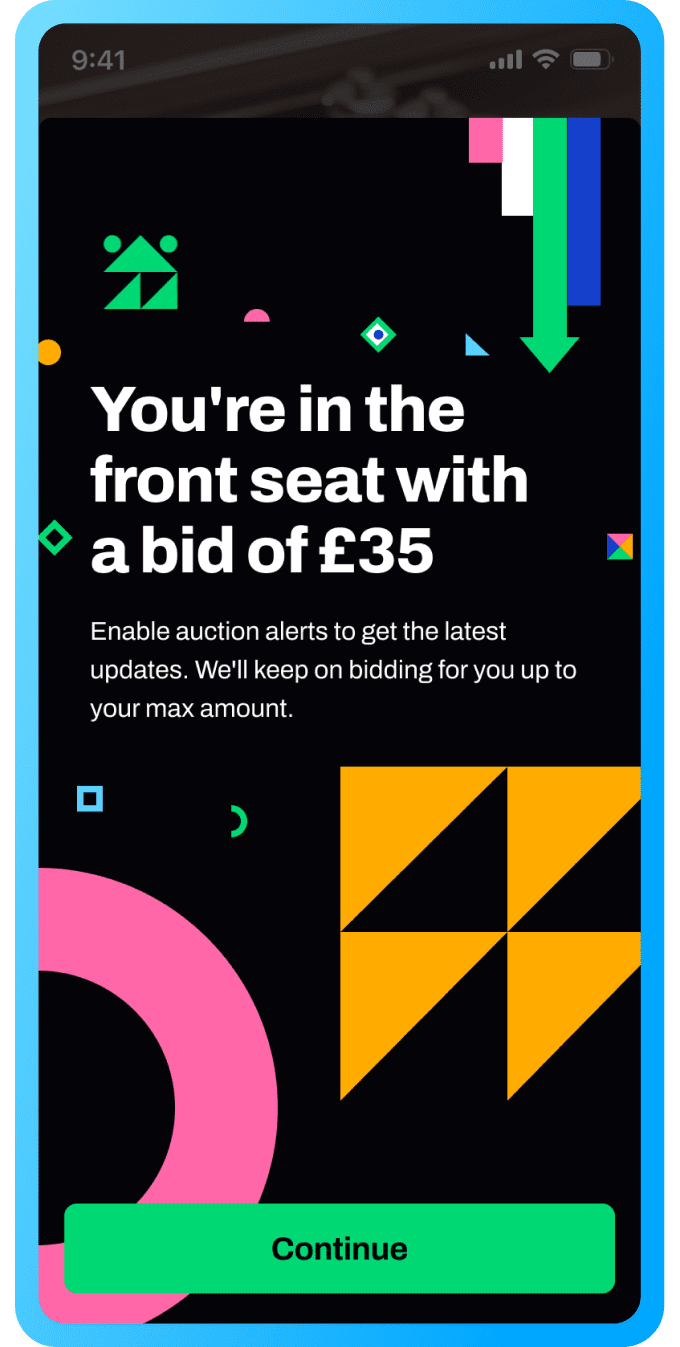
Empty first class seats are sold cheaply close to departure, sometimes by auction. That is worth considering on long journeys where the seat, table and quiet carry real value.
Check what the upgrade includes, since catering varies by operator and time of day.
Season tickets and flexibility
Flexible season tickets aimed at part-time commuting now exist in several countries and are worth comparing against buying daily returns. The arithmetic depends entirely on how many days a week you actually travel.
Check whether your employer runs a season ticket loan scheme, which spreads the cost interest free.
On the day
Check the platform and formation before boarding, since carriages sometimes split. Reserved seats are frequently released if unclaimed a few minutes after the train has departed.
Refunds and changes
Advance tickets are generally non-refundable and can sometimes be changed for a fee before departure. Flexible tickets cost more and are worth it if your plans are uncertain.
Keep the booking accessible offline, since mobile signal in stations and on trains is frequently poor.
Delays and compensation
Compensation schemes pay out for delays over a set threshold, which is frequently either fifteen or thirty minutes. Claims have to be made by you rather than automatically, and they go unclaimed far more often than they should.
Keep the ticket or the confirmation, since a claim depends on it.
WHERE TO BUY
Ready to shop Seatfrog? Use the link below to visit the official store.
→ Shop Seatfrog — official site
Visit this site