
other · Articles
Gravel and All-Road Bikes
Gravel and All-Road Bikes
 Transact Shopping
CYCLING · UNITED STATES
Gravel and All-Road Bikes
What they are for, tyre clearance and gearing, geometry and setting one up
Gravel bikes sit between road and mountain bikes, and the specifications tell you which end of that range a particular model leans towards.
What they are for
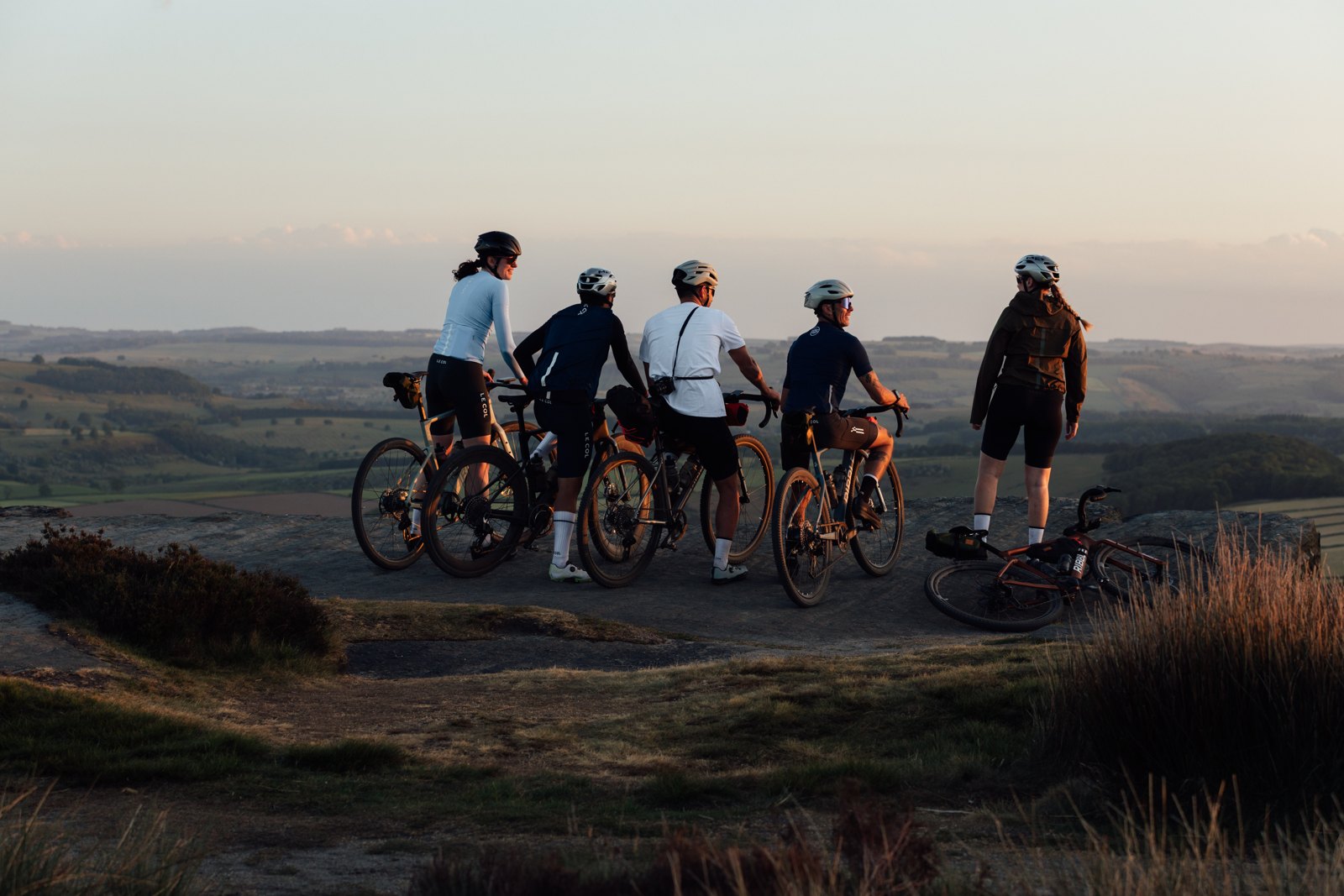
Riding that mixes tarmac with tracks, towpaths and forest roads, plus bikepacking and commuting. One bike that can do a club run and a gravel route is the appeal.
They are slower than a road bike on tarmac and far more capable off it, which is the trade being made.
Tyre clearance
The single most useful number. Clearance for 40mm tyres suits mixed riding; 45 to 50mm opens up rougher ground. More clearance also means mud can pass without jamming.
Tyre choice changes the bike more than any component — fast rolling slicks for tarmac, knobbly treads for loose surfaces.
Gearing
Gravel routes have steeper loose climbs than roads. A single chainring with a wide-range cassette is simple and popular; a double gives closer steps for road riding.
Check the lowest gear honestly against the hills where you ride, loaded with luggage if you plan to tour.
Geometry
A longer wheelbase, slacker head angle and higher front end give stability and comfort at the cost of sharpness. Race-oriented gravel bikes sit closer to road geometry.
Mounts and practicality
Check for mudguard and rack mounts and extra bottle bosses, since these determine whether the bike works for commuting and touring.
Setting it up
Run lower tyre pressures than a road bike and adjust for conditions. A proper bike fit is worth more than any component upgrade.
Maintenance
Rinse mud off before it dries, dry the chain before lubricating it, and check brake pads and tyres regularly. Gravel riding wears drivetrains considerably faster than road riding.
Avoid pressure washers near bearings and seals, which force water where grease should be.
Carrying kit
A multi-tool, tube, tyre levers, pump, quick link and a phone. On remote routes add a foil blanket, food and a lightweight waterproof.
Riding responsibly
Stay on permitted routes, since riding where cycling is not allowed damages access for everyone. Give way to walkers and horses, slow right down when passing, and close gates behind you.
Tell someone your route and expected return on remote ground.
Fit and comfort
A professional bike fit is the single most effective purchase for anyone riding regularly, and it costs less than most components. Saddle width should match your sit bones, which many shops will measure.
Persistent numbness or back pain means the position is wrong rather than that you need to toughen up.
Safety
Lights, a helmet, a multi-tool and a spare tube, and tell someone your route on remote ground.
WHERE TO BUY
Ready to shop Ribble Cycles? Use the link below to visit the official store.
→ Shop Ribble Cycles — official site
Visit this site