
other · Articles
Alignment, Balancing and Pressure Monitoring
Alignment, Balancing and Pressure Monitoring
 Transact Shopping
AUTOMOTIVE · GLOBAL
Alignment, Balancing and Pressure Monitoring
What each does, the signs something is wrong, TPMS and when to have it checked
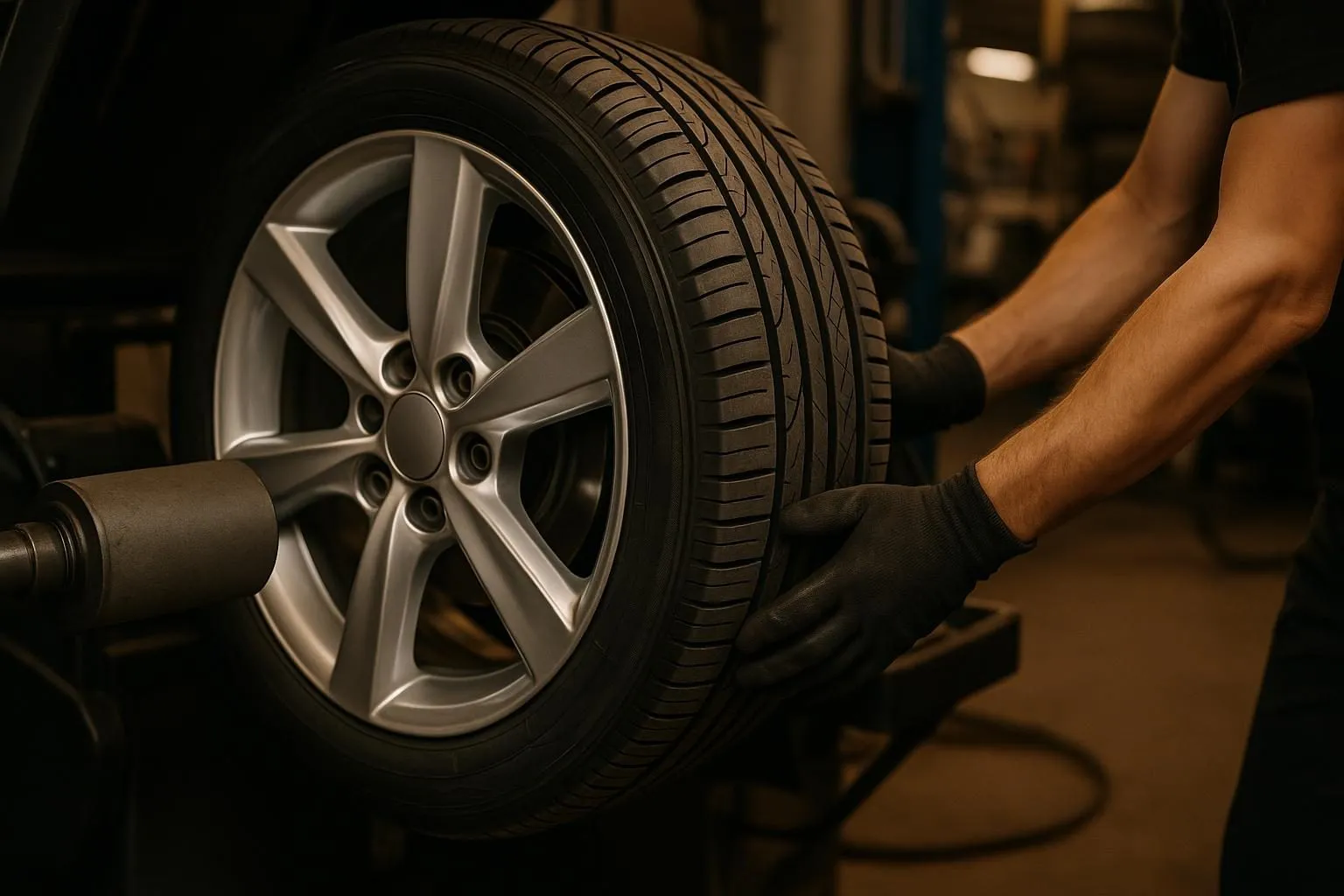
Three services keep tyres working properly, and they are frequently confused with each other.
Balancing
Small weights correct uneven weight distribution in a wheel and tyre assembly. Out-of-balance wheels cause a vibration that appears at a particular speed, usually felt through the steering wheel or the seat.
It is done whenever a tyre is fitted and may need redoing if a weight is lost.
Alignment
Setting the angles at which the wheels meet the road — toe, camber and caster. Wrong alignment wears tyres unevenly, pulls the car to one side and costs fuel.
Have it checked after hitting a pothole or a kerb, after suspension work, and whenever tyres show uneven wear across the tread. A four-wheel alignment costs far less than a set of tyres.
Pressure monitoring
TPMS warns when a tyre loses pressure. Direct systems use sensors in each wheel with batteries that eventually fail; indirect systems infer pressure from wheel speeds and must be reset after inflating.
A warning light is a reason to check with a gauge rather than to assume a fault in the system.
Checking pressures yourself
Monthly, when cold, against the figure on the door frame or in the handbook rather than the maximum on the tyre. Include the spare.
When to replace tyres
The legal minimum in most of Europe is 1.6mm, and wet braking deteriorates well before that, which is why many organisations advise replacing at 3mm. Check the date code too, since rubber hardens with age.
Replace across an axle with the better pair on the rear.
Seasonal changeover
Around seven degrees is where winter compounds start to outperform summer ones. Store the off-season set clean, dry and out of sunlight.
Winter equipment abroad
Several European countries require winter tyres or chains at certain times or in certain conditions, with fines for non-compliance and possible insurance consequences. Check each country on your route before travelling.
Hire cars in alpine countries usually come with winter tyres in season and rarely with chains.
Buying online
Check the load index and speed rating against the handbook, and have tyres delivered to a fitting partner rather than home.
Looking after wheels
Clean alloys with a wheel-specific cleaner rather than anything strongly acidic, which pits the lacquer. Kerbing damage lets water under the finish and causes corrosion, so have significant scrapes refurbished.
Check the spare and the jack before you need them, and know where the locking wheel nut key is.
Reading the wear
Wear on both edges means under-inflation, down the centre means over-inflation, and one edge means alignment.
WHERE TO BUY
Ready to shop Reifentiefpreis? Use the link below to visit the official store.
→ Shop Reifentiefpreis — official site
Visit this site