
other · Articles
Food Waste and Home Composting
Food Waste and Home Composting
 Transact Shopping
HOME · GLOBAL
Food Waste and Home Composting
Why it matters, what to compost, keeping a bin working and small spaces
Household food waste is one of the larger everyday environmental costs and one of the easier ones to reduce, mostly through planning rather than equipment.
Reducing it first
Plan meals around what needs using, store food properly — most fruit and vegetables in the fridge, potatoes and onions out of it and apart — and check the difference between use-by, which is a safety date, and best-before, which is quality.
Freeze anything that will not be eaten in time, and cook once and portion.
What composts at home
Fruit and vegetable peelings, coffee grounds, tea leaves, eggshells, garden waste, shredded card and paper. A rough balance of green nitrogen-rich material and brown carbon-rich material is what keeps a heap working.
Cooked food, meat, fish and dairy attract rodents in an ordinary open heap and are better in a council food waste collection or a sealed system.
Keeping it working
Keep it damp but not wet, turn it occasionally for air, and chop material small. A heap that smells is too wet and airless; one that does nothing is too dry or too brown.
Small spaces
A bokashi bin ferments all food waste including meat in a sealed bucket and suits a flat. A wormery handles kitchen waste in a small space and needs a little more attention.
Council food waste collections do the same job for nothing where they exist.
Using it
Finished compost improves soil structure, drainage and water holding at once, which is the single most useful thing you can do to a garden.
Cleaning without disposables
Cloths that wash and reuse do most of what kitchen roll does, and a brush with a replaceable head outlasts a year of sponges. Keep separate cloths for the kitchen, the bathroom and raw meat preparation.
Wash cloths at sixty degrees regularly, since a damp cloth is one of the most bacteria-laden objects in a kitchen.
What matters most
Buying less food than you waste and using what you buy outweighs every packaging decision in a kitchen.
Storing food properly
Most fruit and vegetables keep longer in the fridge. Potatoes, onions and bananas stay out and apart from each other. Herbs keep for weeks stood in water with a bag over them.
A list on the fridge of what needs using this week prevents most waste.
Buying eco products sensibly
Replace things as they run out rather than throwing away what still works, which is the opposite of the point. Check claims are specific and checkable rather than vague — recyclable, compostable and biodegradable all mean different things.
Home compostable is a defined standard; degradable is not.
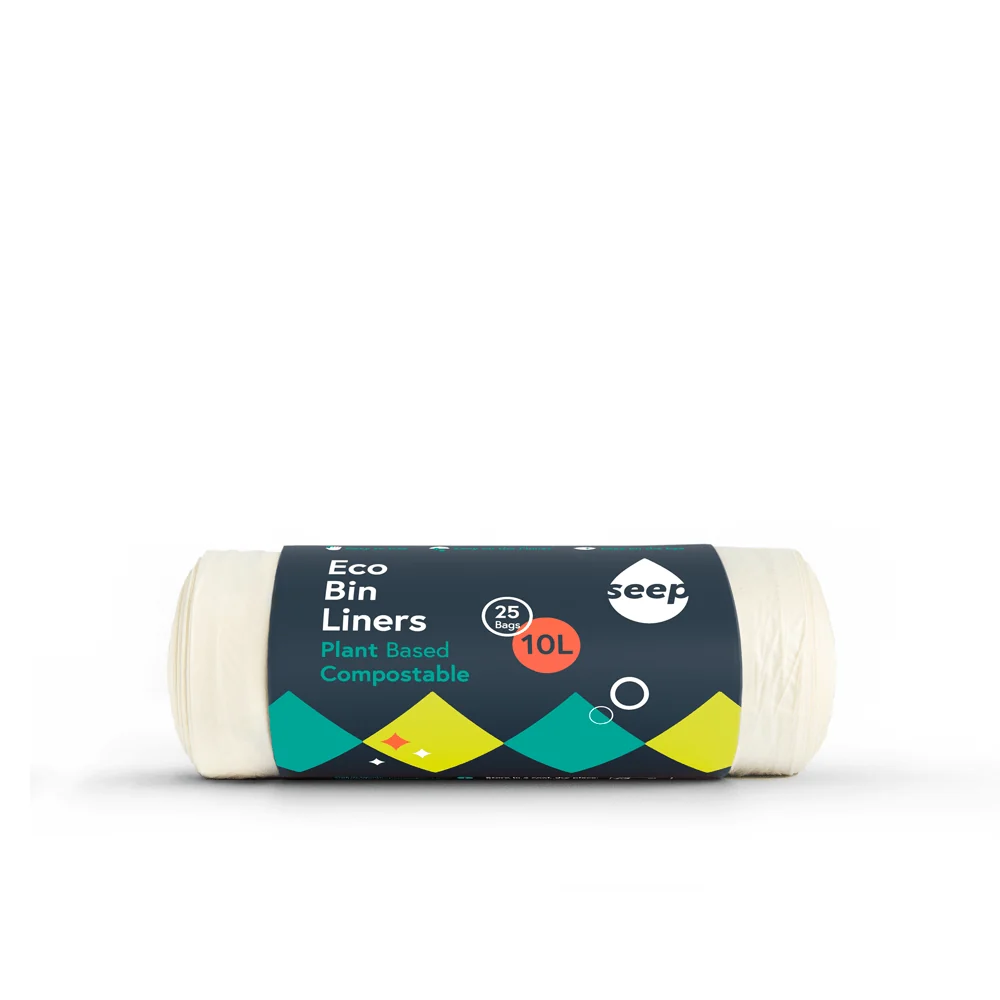
Caddy liners
Check what your council accepts, since compostable and biodegradable are different.
WHERE TO BUY
Ready to shop Regn? Use the link below to visit the official store.
→ Shop Regn — official site
Visit this site