
other · Articles
Using a Paint Spray Gun
Using a Paint Spray Gun
 Transact Shopping
HOME · GLOBAL
Using a Paint Spray Gun
HVLP and airless, thinning and setup, technique and respiratory safety
Spray equipment gives a finish a brush cannot match and demands preparation and protection that brushing does not.
The types
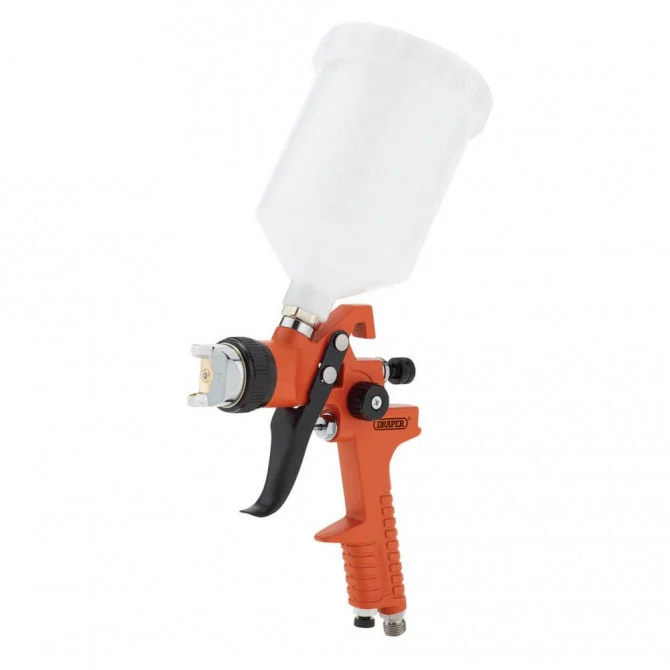
HVLP systems use a high volume of air at low pressure, giving fine control and little overspray, which suits furniture, doors and cabinets. Airless sprayers force paint through a tip at high pressure and cover large areas fast, which suits walls and fences.
Airless units generate enough pressure to inject paint under the skin, which is a serious medical emergency requiring immediate hospital treatment. Never point one at anyone and never use a hand to check a tip.
Thinning and straining
Most paints need thinning for spraying, to the manufacturer's stated ratio and checked with a viscosity cup. Strain the paint, since a single lump blocks a tip mid-pass and ruins a panel.
Setup and testing
Test on cardboard before touching the work. Adjust the fluid, air and fan pattern until you get an even band with no spitting or heavy edges.
Technique
Keep the gun perpendicular and at a constant distance, move the whole arm rather than pivoting the wrist, and overlap each pass by about half. Start the pass before the work and release after it.
Several thin coats rather than one thick one. Runs come from too much paint in one pass.
Respiratory protection
Spraying creates a fine airborne mist that a dust mask does not stop. Use a respirator rated for organic vapours and particulates, plus eye protection, gloves and coveralls.
Two-pack and polyurethane products may contain isocyanates, which require air-fed breathing equipment and are a recognised cause of occupational asthma. Do not spray these without proper equipment.
Masking and ventilation
Overspray travels further than expected. Mask generously, protect neighbouring cars and surfaces, and ventilate without blowing dust onto wet paint.
When brushing is better
Small jobs, touch-ups and anywhere masking would take longer than painting. Spraying pays off on doors, cabinets, spindles, radiators and fences, where a brush leaves marks or takes forever.
Hiring rather than buying makes sense for a one-off job, and many suppliers hire airless units by the day.
Disposal
Never wash solvent-based paint or cleaning solvent down a drain. Let waste paint dry out or take it to a household waste site that accepts it.
Preparation
Sprayed finishes reveal every flaw rather than hiding them, so fill, sand and remove all dust before starting. Degrease anything that has been handled, since finger oils cause fish-eye defects.
Spray in still conditions where you can, since wind carries overspray a surprising distance and blows dust onto wet paint.
Cleaning
Clean immediately and thoroughly, since dried paint in the passages ruins a gun.
WHERE TO BUY
Ready to shop Power Tools Direct? Use the link below to visit the official store.
→ Shop Power Tools Direct — official site
Visit this site