jewellery · Articles
Necklace Lengths and Layering
Necklace Lengths and Layering
 Transact Shopping
JEWELLERY · GLOBAL
Necklace Lengths and Layering
The standard lengths, what suits what, layering without tangling and plating
Necklaces are bought by appearance and worn by length, and knowing the standard measurements makes online buying far more reliable.
The standard lengths
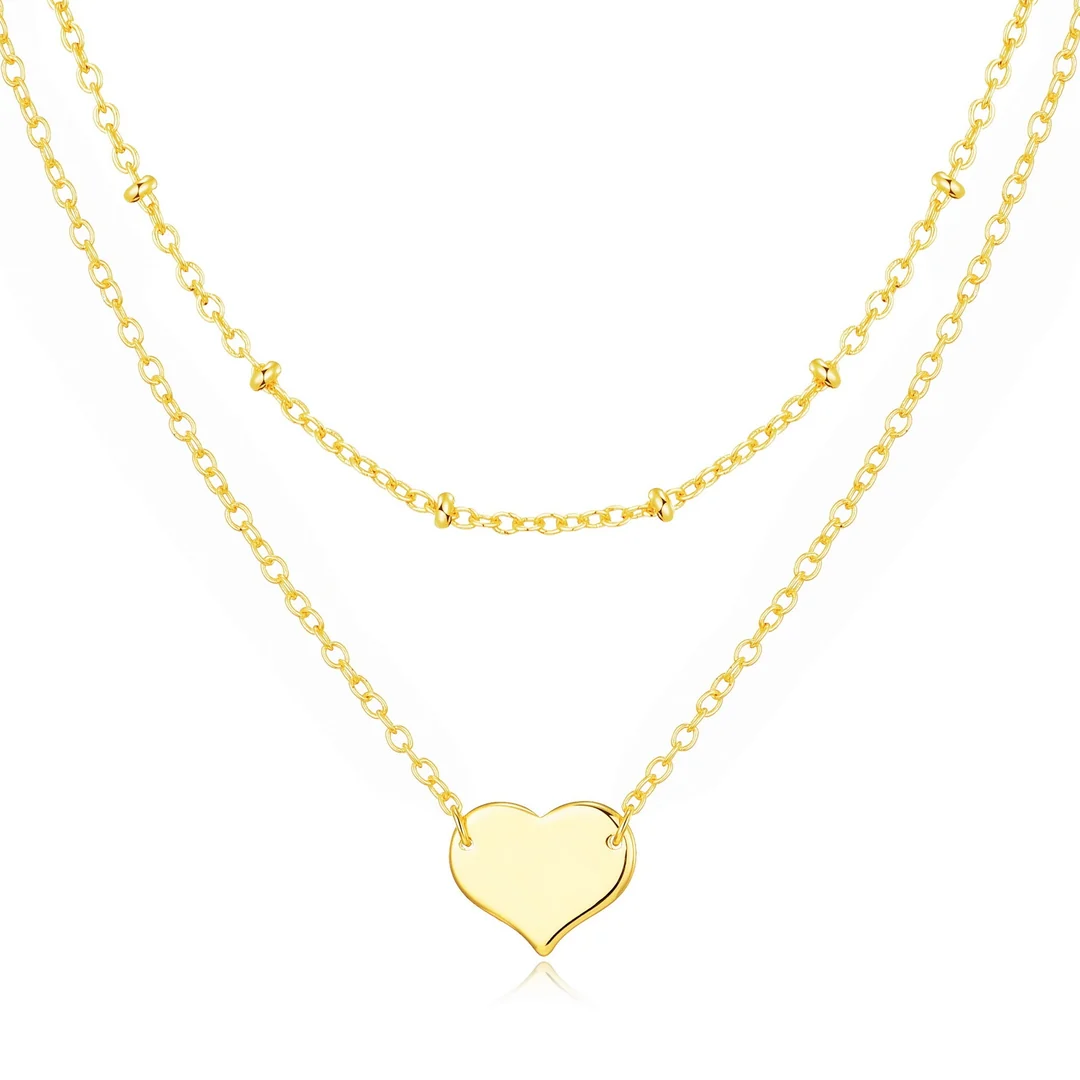
Around 40cm is a choker sitting at the base of the neck. 45cm is the most common length and sits just below the collarbone. 50cm sits at or just above the neckline. 60cm and above falls on the chest and suits pendants.
Measure a necklace you already wear and like rather than guessing, since a few centimetres changes where it falls completely.
Necklines
A shorter chain suits an open or V neckline. A longer pendant works over a high neck or a jumper. Anything that sits exactly on a neckline edge tends to catch and look unsettled.
Layering
Space the lengths by at least five centimetres so each is visible, and vary the weight — a fine chain with a heavier piece reads better than three similar ones.
A layering clasp holds several chains at one point and prevents the tangling that makes people give up on it.
Plating and wear
Gold plated and gold filled are not solid gold. Plating wears through at friction points, and how long it lasts depends on the thickness in microns, which good sellers state.
Vermeil is a thicker plating over sterling silver and lasts considerably longer than flash plating over base metal.
Skin reactions
Usually nickel in the base metal rather than the gold or silver itself. Sterling silver, solid gold and titanium are safer for sensitive skin.
Buying as a gift
Necklaces and earrings avoid the sizing problem that makes rings risky. Check the chain length and the clasp type, since a small spring ring is difficult for anyone with limited dexterity.
Keep the receipt and check the return window, and note that engraved items cannot be returned.
Repairs
Broken clasps and thin chains are inexpensive to repair before they fail, which is far cheaper than losing a pendant.
Storing chains
Hang them or fasten the clasp and lay them flat rather than coiling, which is what causes knots. Store pieces separately so harder stones do not scratch softer metal.
Keep silver in airtight bags with anti-tarnish strips, away from humidity.
Cleaning
Warm soapy water and a soft cloth for most pieces. Avoid dips and ultrasonic cleaners on plated items, pearls and anything with glued settings.
Have chains checked and clasps replaced before they fail rather than afterwards.
Care
Put jewellery on last, take it off for swimming and the gym, and store chains hanging rather than coiled.
WHERE TO BUY
Ready to shop Philip Jones Jewellery? Use the link below to visit the official store.
→ Shop Philip Jones Jewellery — official site
Visit this site