
pets · Articles
Calming and Allergy Products for Pets
Calming and Allergy Products for Pets
 Transact Shopping
PETS · GLOBAL
Calming and Allergy Products for Pets
What the evidence supports, when it is behaviour and when it is medical, and safety
Calming and allergy products for pets are widely sold, and the most important step with both is finding out what is actually causing the problem.
Anxiety usually needs behaviour work
Supplements and pheromone diffusers can take the edge off, and they do not change what an animal has learned. Separation anxiety, noise phobia and reactivity respond to structured behaviour modification.
For fireworks and thunder, preparation weeks in advance — a safe den, sound desensitisation, and medication from a vet where needed — works far better than anything given on the night.
Rule out pain first
Sudden behaviour change in an animal is frequently pain. Dental disease, arthritis, ear infections and gut problems all present as irritability, restlessness or withdrawal.
A veterinary examination should come before any supplement, particularly where something has changed recently.
What the evidence shows
Pheromone products have some supporting research, with modest effects. Alpha-casozepine, L-theanine and tryptophan appear in calming supplements with limited but not absent evidence.
Prescription medication for genuine anxiety disorders has considerably stronger evidence, and a vet can prescribe alongside behaviour work.
Itching and allergies
Fleas are the most common cause of itching and are frequently missed. Rule those out first with proper year-round treatment for every animal in the house.
Food allergy needs a proper elimination diet with a novel or hydrolysed protein for eight to twelve weeks, exclusively, which a single flavoured treat invalidates.
Reducing stress at home
Predictable routines, somewhere to retreat to that nobody disturbs, enough physical and mental exercise, and resources spread around in multi-pet households. These do more than any product.
For cats, vertical space and separate feeding and toileting areas reduce conflict, which is frequently silent.
Travel and vet visits
Get animals used to carriers and car journeys gradually rather than only before appointments. Many vets now offer low-stress handling and can prescribe medication for genuinely fearful animals.
Reading a pet supplement label
Look for the actual quantity of each active ingredient per dose and for the species and weight it is intended for. Many products state ingredients without amounts, which cannot be assessed.
Check whether it is complementary rather than complete, and whether it contains anything your animal is avoiding.
Fireworks specifically
Close curtains, put music or television on, provide a covered den, and never punish fearful behaviour. Speak to a vet several weeks in advance if your animal is severely affected by it.
Safety
Never give human medication to an animal. Paracetamol, ibuprofen and many decongestants are toxic, and doses differ enormously.
Tell your vet about every supplement, since interactions happen. Essential oils are toxic to cats.
WHERE TO BUY
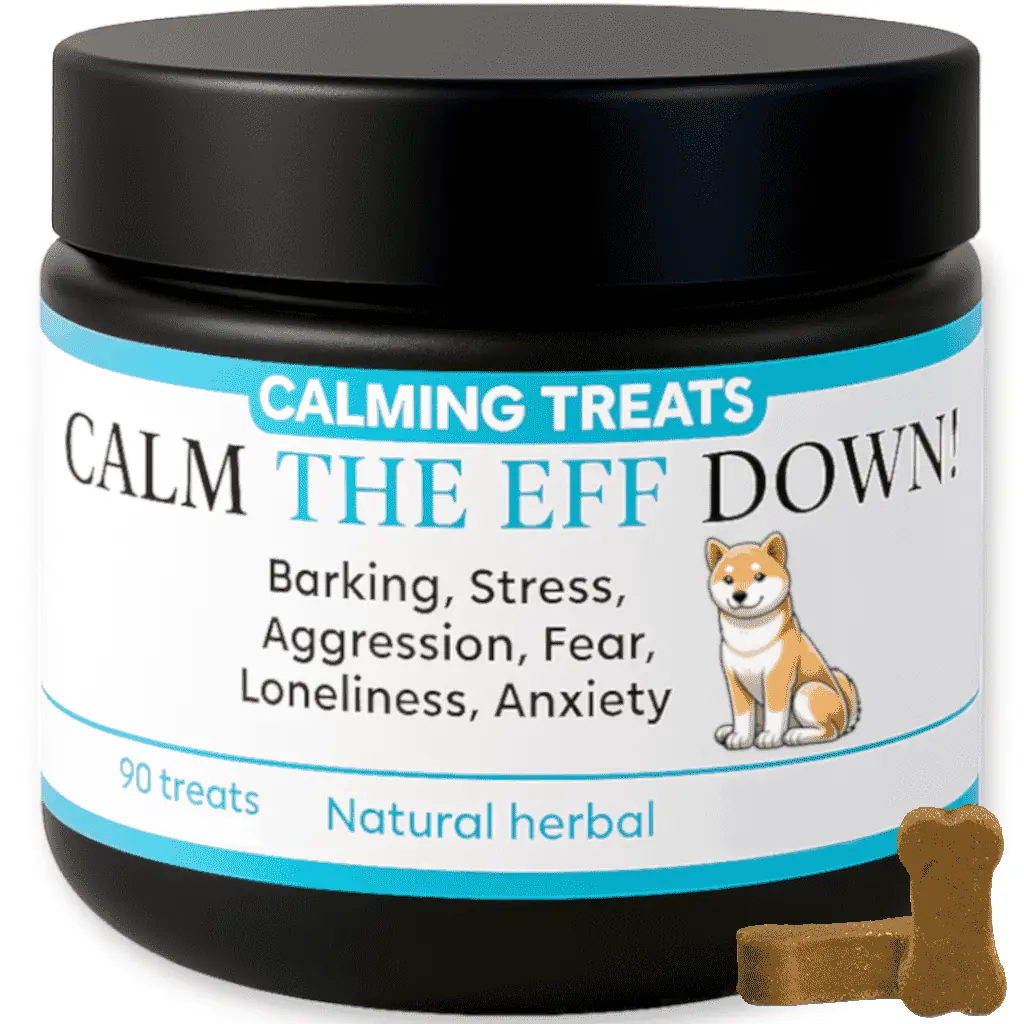
Ready to shop Pets Calm Down? Use the link below to visit the official store.
→ Shop Pets Calm Down — official site
Visit this site