
pets · Articles
Litter Trays, Automatic Boxes and What They Tell You
Litter Trays, Automatic Boxes and What They Tell You
 Transact Shopping
PETS · UNITED KINGDOM
Litter Trays, Automatic Boxes and What They Tell You
Tray basics, why monitoring matters, introducing a new box and cleaning
A litter tray is a health monitoring tool as much as a convenience, which is the strongest argument for paying attention to it.
The basics most people get wrong
One tray per cat plus one spare, in separate quiet locations rather than side by side. Large and uncovered suits most cats, and a tray should be at least one and a half times the cat's body length.
Away from food and water, away from noisy appliances, and somewhere with an escape route so the cat is not cornered.
Litter
Most cats prefer fine unscented clumping litter at a depth of three to five centimetres. Scented litter and liners are for humans and are a common reason cats go elsewhere.
Change litter type gradually, since a sudden switch causes avoidance.
Why monitoring matters
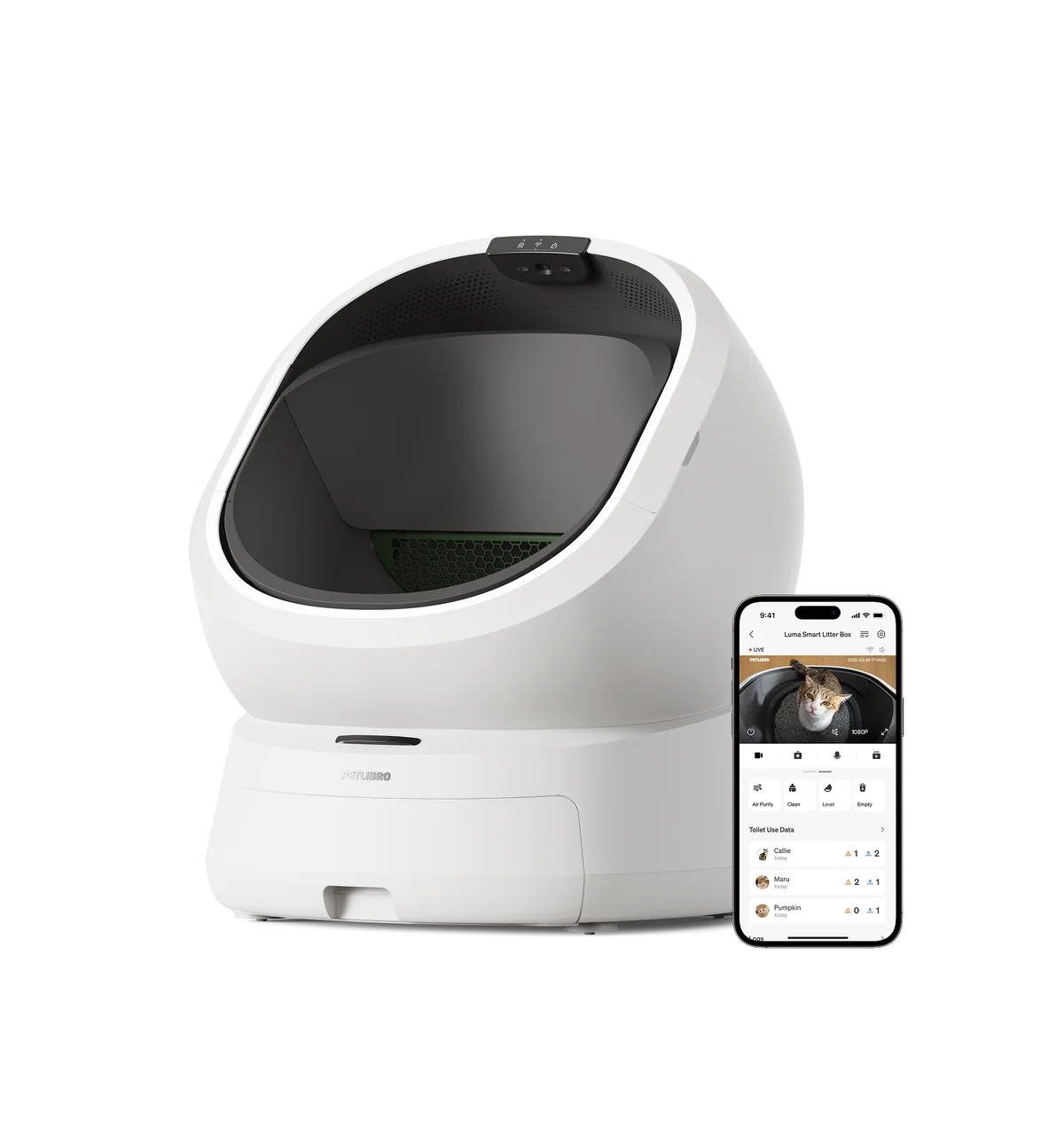
Changes in how often a cat urinates are an early sign of urinary problems, kidney disease and diabetes. Automatic boxes that log visits make that visible, which is their most genuinely useful feature.
A male cat straining, crying or producing nothing in the tray is a veterinary emergency, since urinary blockage can be fatal within a day. Do not wait to see if it improves.
Automatic boxes
Convenient and they need the same cleaning underneath. Some cats will not use an enclosed moving box at all, so introduce it alongside the old tray rather than replacing it.
Check the safety mechanism and never let kittens or small cats use one not rated for them.
Cleaning
Scoop at least daily and wash the tray with unscented soap and hot water. Avoid anything containing phenols or bleach near cats.
Water and feeding
Cats drink more from wide shallow bowls away from food, and many prefer running water from a fountain. Adequate water intake matters for urinary and kidney health, which is a common problem in older cats.
Clean fountains and bowls properly, since biofilm builds up quickly and puts cats off.
Multi-cat households
Resources spread around the house — trays, bowls, beds, high perches — reduce conflict, which is frequently silent and shows up as litter tray avoidance rather than fighting.
Signs worth acting on
Straining, crying, going more or less often, blood, or a cat repeatedly visiting the tray without producing anything. Drinking noticeably more than usual is also worth a veterinary appointment.
Weight loss in an older cat is rarely nothing, even when the cat seems well.
Cleaning products
Avoid anything containing phenols, including some pine and coal tar disinfectants, which are toxic to cats. Rinse thoroughly and let surfaces dry before the cat returns.
Going outside the tray
Frequently medical or stress-related rather than behavioural. See a vet first.
WHERE TO BUY
Ready to shop Petlibro? Use the link below to visit the official store.
→ Shop Petlibro — official site
Visit this site