Papierkram DE · Articles
Invoicing and Bookkeeping for Freelancers
Invoicing and Bookkeeping for Freelancers
BUSINESS · GLOBAL
Invoicing and Bookkeeping for Freelancers
What an invoice must contain, chasing payment, records and separating money
Bookkeeping is the part of freelancing people avoid and the part that determines whether the business is actually profitable. Setting it up properly at the start takes a day.
Separate the money
Open a separate business account from the first invoice and never mix personal and business spending. Reconstructing a mixed account a year later is where accountancy fees come from.
Move a fixed percentage of every payment into a second account for tax as it arrives, rather than finding it later.
What an invoice must contain
Requirements vary by country and commonly include your full name and address, the client's details, a unique sequential invoice number, the date, a description of the work, the amount, and your tax number where applicable.
Where VAT or sales tax applies, the rate and amount must be shown separately. Getting this wrong can invalidate the client's deduction, which is how invoices come back.
Payment terms
State them on every invoice — a due date rather than a vague period. Most late payment is administrative rather than deliberate, and a polite reminder before the due date prevents most of it.
Ask for a deposit on large projects from new clients, and agree terms in writing before starting.
Records
Keep every receipt digitally as you go, since most tax authorities now expect digital records and paper receipts fade. Record expenses when they happen rather than in a February panic.
Know your obligations
Registration thresholds, filing dates and what is deductible vary considerably by country. Get an accountant for the first year at least, since the fee is usually less than the mistakes.
Choosing software
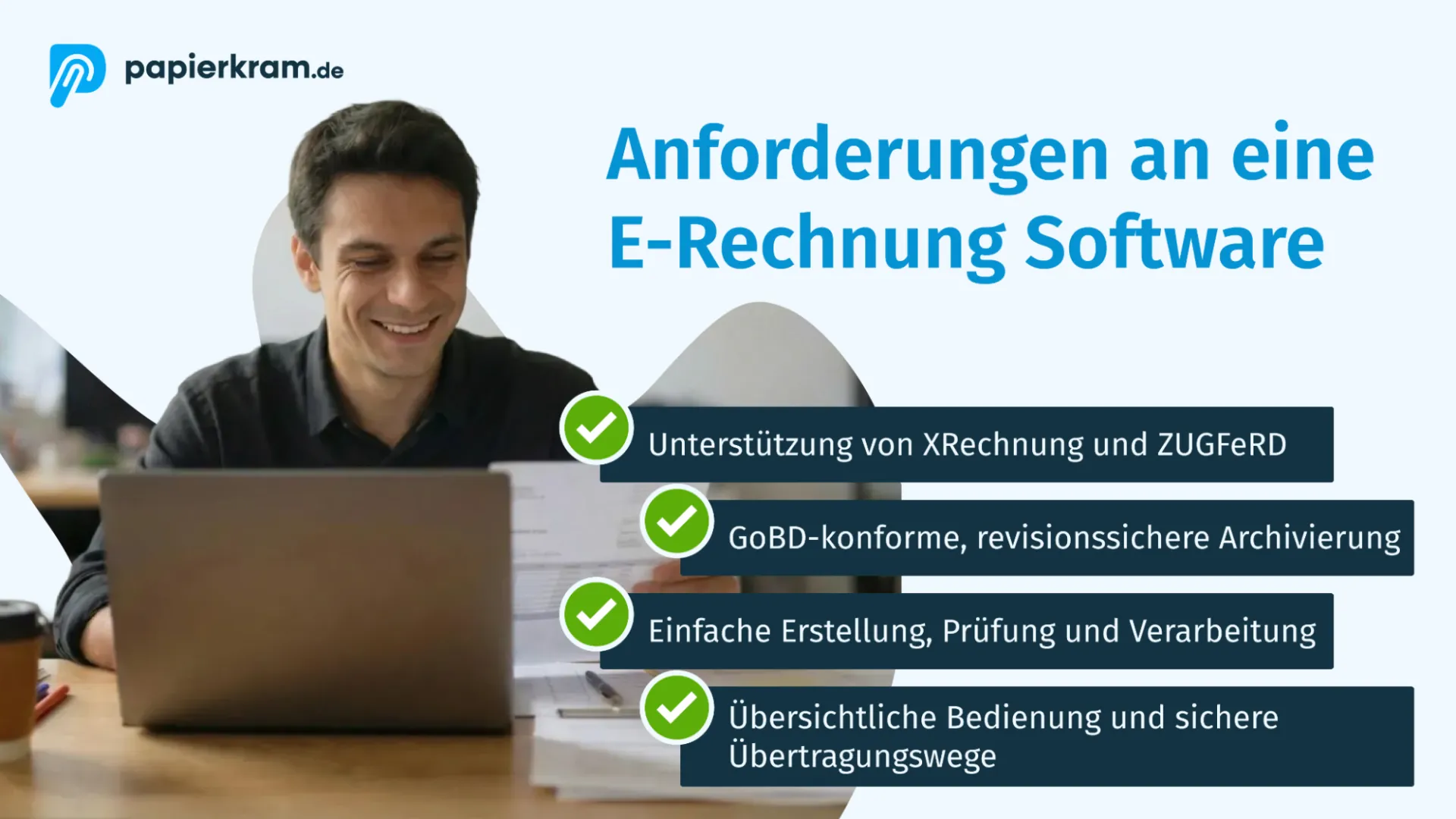
It should produce compliant invoices for your country, track expenses, and export in a format your accountant accepts. Ask them what they want before choosing, since that saves fees.
Check what happens to your data if you stop paying, and whether you can export everything.
Getting paid on time
Invoice immediately rather than at the end of the month, since the clock starts when the invoice arrives. Include a payment link where you can, which measurably shortens payment times.
Setting your rate
Work out your required annual income, add tax, pension, equipment, insurance and holiday, then divide by the hours you will realistically bill — which is far fewer than the hours you work.
Review rates annually rather than never, since inflation erodes a fixed rate quietly.
Contracts
Put scope, deliverables, revisions, payment terms and what happens if the project stops in writing before starting. Most disputes are about scope rather than money.
Time tracking
Track hours even on fixed-price work, since that is the only way to know your real hourly rate.
WHERE TO BUY
Ready to shop Papierkram? Use the link below to visit the official store.
→ Shop Papierkram — official site
Visit this site
Visit store