
electronics · Articles
Torches: Lumens, Beams and Batteries
Torches: Lumens, Beams and Batteries
 Transact Shopping
OUTDOORS · UNITED KINGDOM
Torches: Lumens, Beams and Batteries
What the numbers mean, throw versus flood, lithium cells and eye safety
Torches are compared on one number that tells you less than people assume, and the useful specifications sit further down the page.
Lumens and candela
Lumens measure total light output. Candela measures intensity in the beam, which determines how far the light usefully reaches. A high-lumen floodlight and a lower-lumen thrower are for different jobs.
Look for the beam distance in metres and the runtime at each level. Maximum output is frequently sustainable for only a minute or two before the torch steps down to avoid overheating.
Throw and flood
A tight beam reaches a long way and shows a narrow area, which suits searching outdoors. A wide flood suits close work, walking and camping.
For general use, a torch with a usable middle mode matters more than a headline maximum — most tasks need far less light than people use.
Batteries
Rechargeable lithium cells, commonly 18650 or 21700, give far more runtime than disposables. Use protected cells from reputable sources and the charger intended for them.
Never carry loose lithium cells in a pocket with keys or coins, which can short them and cause a fire. Store them in a case and never use a damaged or swollen cell.
Eye safety
Modern torches are bright enough to cause real eye damage at close range. Never shine one into anyone's eyes, including your own when checking it, and take particular care with children.
Headtorches
More useful than a handheld for almost everything outdoors, since it leaves both hands free. A red mode preserves night vision and is kinder to everyone else in a tent.
What to keep where
One torch by the bed, one in the car, one in a coat pocket and a headtorch with the outdoor gear. A torch you cannot find in a power cut is not a torch.
Check batteries every few months and recharge before storing.
Modes and interface
A torch you can operate in the dark with gloves on is worth more than one with ten modes. Check whether it remembers the last mode used and whether it has a lockout to prevent switching on in a bag.
A torch that turns on in a rucksack drains its battery and can get hot enough to be a hazard.
Power cuts and emergencies
Keep a torch per person somewhere findable, plus a power bank and a wind-up or battery radio. Candles cause house fires every year; torches do not.
Check whether the torch takes standard cells as well as its proprietary battery, which matters in an emergency.
Practical
Check the IP rating for weather, and keep a torch somewhere findable in a power cut.
WHERE TO BUY
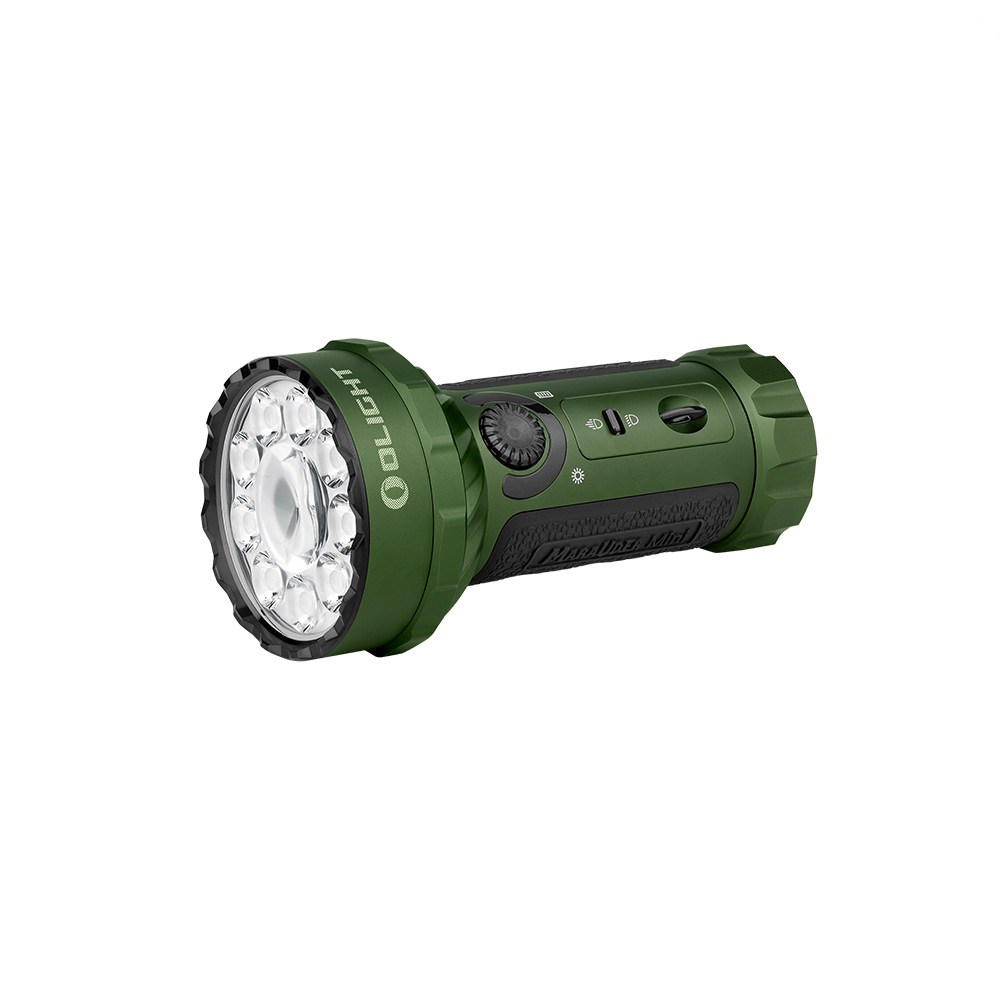
Ready to shop OLIGHT? Use the link below to visit the official store.
→ Shop OLIGHT — official site
Visit this site