
other · Articles
Batteries: Types, Storage and Safety
Batteries: Types, Storage and Safety
 Transact Shopping
HOME · GLOBAL
Batteries: Types, Storage and Safety
Alkaline and lithium, rechargeables, button cells and disposal
Batteries are bought without thought and one type of them is a genuine emergency risk in a household with young children.
Button batteries are a serious hazard
A swallowed button cell, particularly a lithium coin cell, generates a current that burns through tissue within hours. It is a medical emergency requiring immediate hospital attention rather than a wait-and-see.
Keep spares and used cells locked away, since used cells retain enough charge to cause harm. Check that toys and devices have compartments secured with a screw, and tape over used cells before disposal.
Alkaline and lithium
Alkaline AA and AAA cells suit low-drain devices — remotes, clocks, torches used occasionally. Lithium primary cells cost more, weigh less, work in the cold and last far longer in high-drain devices.
Do not mix old and new cells or different brands in one device, which causes leaking.
Rechargeables
Low self-discharge nickel-metal hydride cells hold charge for months and are the sensible choice for anything used regularly. Over a few years they cost a fraction of disposables.
They deliver a slightly lower voltage, which a few devices object to.
Leaking
Alkaline cells leak when flat and left in a device, which corrodes contacts and ruins equipment. Remove batteries from anything being stored, and check devices used seasonally.
Clean leaked residue with gloves and a cotton bud dipped in vinegar, and keep it off skin and eyes.
Storage
Cool, dry and in the original packaging so terminals cannot touch. Loose cells in a drawer with keys and coins can short and heat up.
Devices and battery life
Remove batteries from anything stored for months, and use rechargeables in high-drain devices such as controllers, cameras and children's toys, where disposables are consumed at a startling rate.
Keep a small stock of the sizes you actually use rather than one of everything.
Smoke alarms
Test monthly and replace the battery when it chirps rather than removing it. Sealed ten-year alarms remove the problem entirely and are worth fitting.
Lithium and rechargeable device packs
Charge devices on a hard surface where you are awake and present, never under bedding, and stop using anything that swells, gets unusually hot or smells. A damaged lithium pack is a fire risk.
Use the charger supplied, and avoid cheap unbranded replacement packs entirely.
Buying sensibly
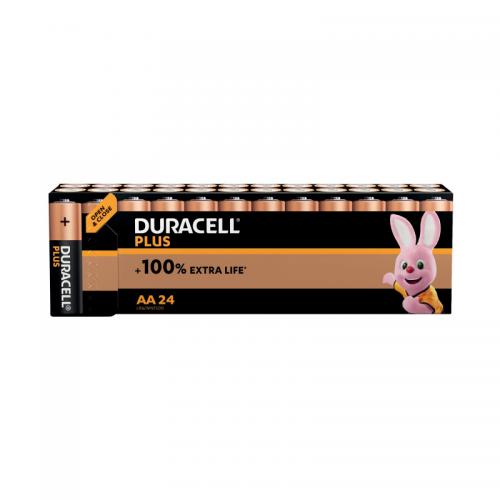
Larger multipacks of the sizes you actually use cost considerably less per cell, and cells keep for years in sealed packaging. Check the use-by date, which is printed on most packs.
Own-brand alkaline cells from established retailers perform close to premium ones in most tests.
Disposal
Never in household waste, where damaged lithium cells start fires in collection vehicles. Use a battery recycling point.
WHERE TO BUY
Ready to shop Office Stationery? Use the link below to visit the official store.
→ Shop Office Stationery — official site
Visit this site