other · Articles
Food Tracking Apps: Where They Help and Where They Do Not
Food Tracking Apps: Where They Help and Where They Do Not
 Transact Shopping
HEALTH · GLOBAL
Food Tracking Apps: Where They Help and Where They Do Not
What photo estimation can do, accuracy, when tracking becomes harmful, and alternatives
Tracking apps make food visible, and whether that is useful or harmful depends a great deal on the person using it.
When tracking is not the right tool
For anyone with a history of disordered eating, or for whom food already feels fraught, detailed tracking can entrench the problem rather than help it. Studies have linked calorie tracking to disordered eating symptoms in vulnerable people.
If using an app leaves you anxious, restricting, or thinking about food more than you want to, that is a reason to stop rather than to try harder. Speaking to a GP or a registered dietitian is a better starting point, and eating disorder charities offer helplines and support.
What photo estimation can do
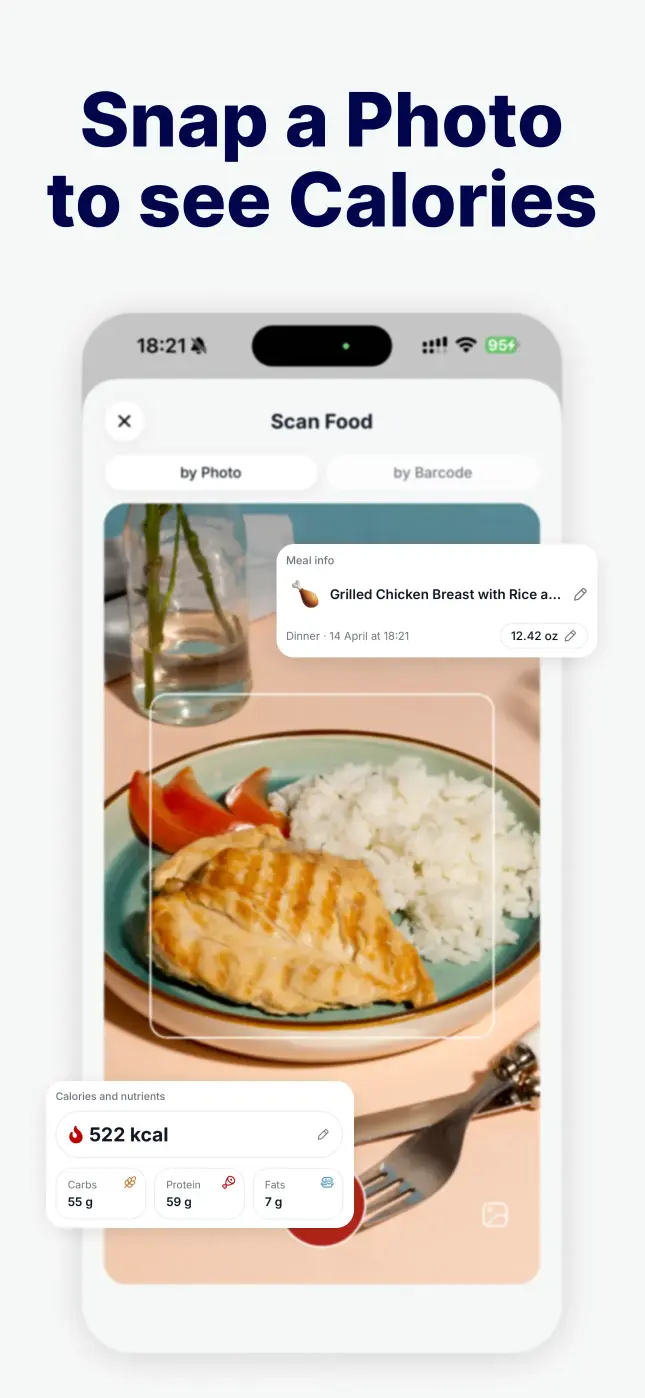
Image recognition identifies foods reasonably well and estimates portions poorly, since a photograph does not show density, hidden oil or what is underneath. Expect a rough figure rather than a measurement.
Databases themselves vary, and user-submitted entries are frequently wrong. Two apps will give different numbers for the same meal.
Where it genuinely helps
Noticing patterns — that you eat very little protein at breakfast, or that most of your drinking happens on two evenings a week. That kind of insight comes from a fortnight of honest logging rather than from permanent tracking.
Athletes and people managing a medical condition with dietary requirements have clearer reasons to track.
Using one sensibly
Track for a limited period to learn something specific, then stop. Log without judgement, and do not chase the number down when the app suggests it.
Where to get proper support
A GP can rule out medical causes and refer you, and a registered dietitian gives individual advice that no app can. For anything related to eating distress, national eating disorder charities run helplines and online support.
In the UK, the National Alliance for Eating Disorders and similar organisations offer help, and a doctor can refer to specialist services.
Data and privacy
Food and body data is sensitive. Read what is collected, whether photographs are stored or used for training, what is shared with third parties and what happens if the company is sold.
Check whether the features you want require an ongoing subscription.
Habits rather than numbers
Adding something rather than removing it works better for most people — a vegetable at every dinner, protein at breakfast, water beside the desk. Those are checkable without counting anything.
Sleep, cooking more of your own food and eating regularly influence appetite and energy more than tracking does.
What works without an app
Regular meals, plenty of plants and fibre, protein at each meal, cooking more of your own food and sleeping properly.
Speak to a doctor before making significant dietary changes, particularly with any medical condition.
WHERE TO BUY
Ready to shop Nutrinixy? Use the link below to visit the official store.
→ Shop Nutrinixy — official site
Visit this site