
home · Articles
Candles and Candle Safety
Candles and Candle Safety
 Transact Shopping
HOME · GLOBAL
Candles and Candle Safety
Waxes compared, scent throw, fire safety and burning them properly
Candles are among the most common causes of accidental house fires, and most of the rules for using them safely also make them burn better.
Fire safety
Never leave a burning candle unattended, and extinguish every one before leaving a room or going to sleep. Keep them at least a metre from curtains, bedding, paper and anything else that burns.
Use a stable heat-resistant holder on a flat surface, out of reach of children and pets and away from draughts. Keep long hair and loose sleeves clear.
Never move a burning candle or one with molten wax, and never extinguish one with water, which can crack glass and spatter hot wax.
Trim the wick
To about five millimetres before every burn. A long wick produces a large flickering flame, soot and uneven burning, and most complaints about candles come down to this.
The first burn
Burn long enough for the melted wax to reach the edges of the container, which typically takes two to three hours. Otherwise the candle tunnels and wastes most of the wax.
Do not burn for more than about four hours at a time, and stop when around a centimetre of wax remains.
Waxes
Paraffin is cheap and throws scent well. Soy and rapeseed burn slower and cooler with a subtler throw. Beeswax burns cleanest and longest and costs most. All produce some soot if the wick is long.
Scent and air quality
Ventilate rooms where candles burn regularly, and take care around anyone with asthma, since fragrance and particulates can trigger symptoms.
Candle alternatives
Battery and rechargeable LED candles give much of the effect with no flame, which suits homes with children, pets or anyone who falls asleep in a chair. Diffusers scent a room without burning anything.
Wax melts still use a heat source, so the same supervision rules apply.
Buying
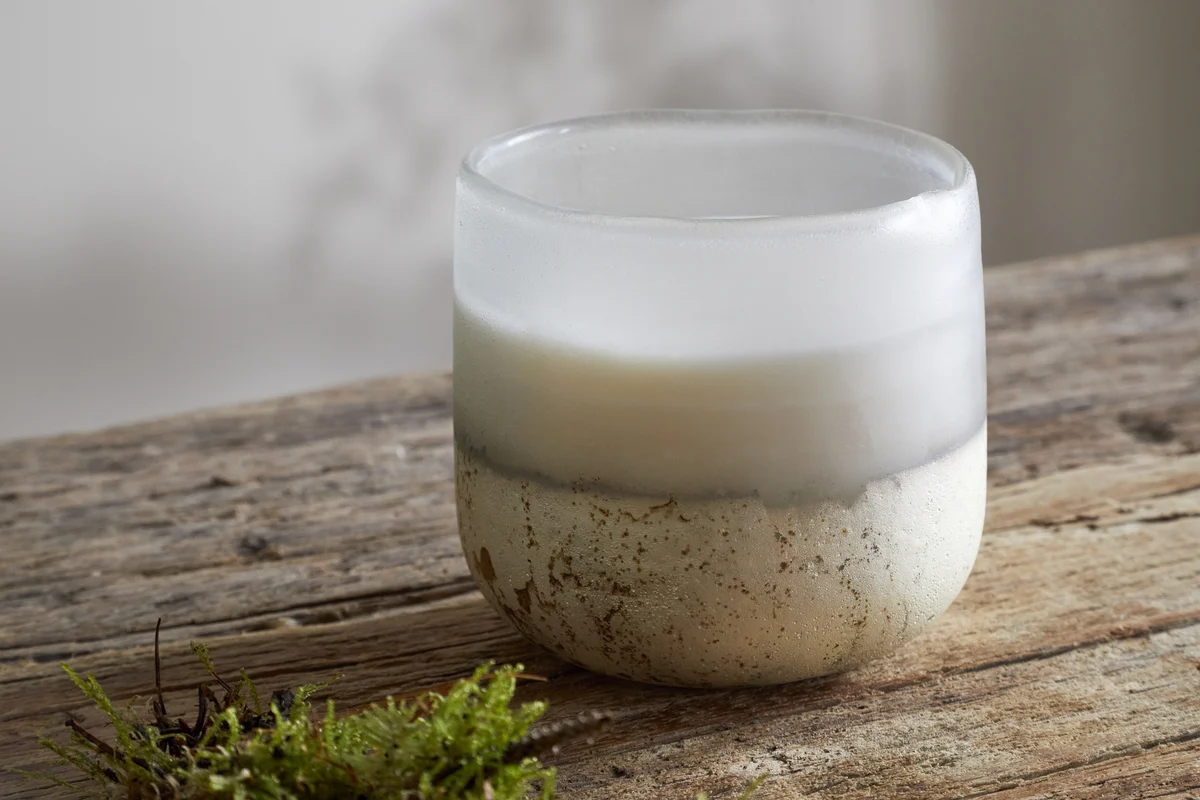
Check the burn time, the wax type and whether the container is designed for the candle, since a glass not rated for heat can crack.
Homeware and craft
Handmade metal, glass and ceramic pieces vary between items, and that variation is the point rather than a fault. Check whether anything is food safe and whether brass and copper are lacquered, since unlacquered metal develops a patina.
Hand wash rather than putting artisan pieces in a dishwasher, which strips finishes.
Lighting a room
Several small light sources at different heights make a room considerably more comfortable than a single ceiling light. Candles, lamps and shaded fittings do the same job at different times of day.
Keep colour temperature consistent within a room, since mixing warm and cool is why lighting frequently looks wrong.
Holders
Brass and metal holders get hot. Check tapers fit snugly rather than leaning.
WHERE TO BUY
Ready to shop nkuku? Use the link below to visit the official store.
→ Shop nkuku — official site
Visit this site