
home · Articles
Honeycomb Blinds and Insulating Windows
Honeycomb Blinds and Insulating Windows
 Transact Shopping
HOME · UNITED KINGDOM
Honeycomb Blinds and Insulating Windows
How honeycomb blinds work, where heat is lost, fitting for insulation and cords
Windows are the weakest point in most homes for heat loss, and a blind can make a measurable difference if it is fitted to trap air rather than just cover glass.
How honeycomb blinds work
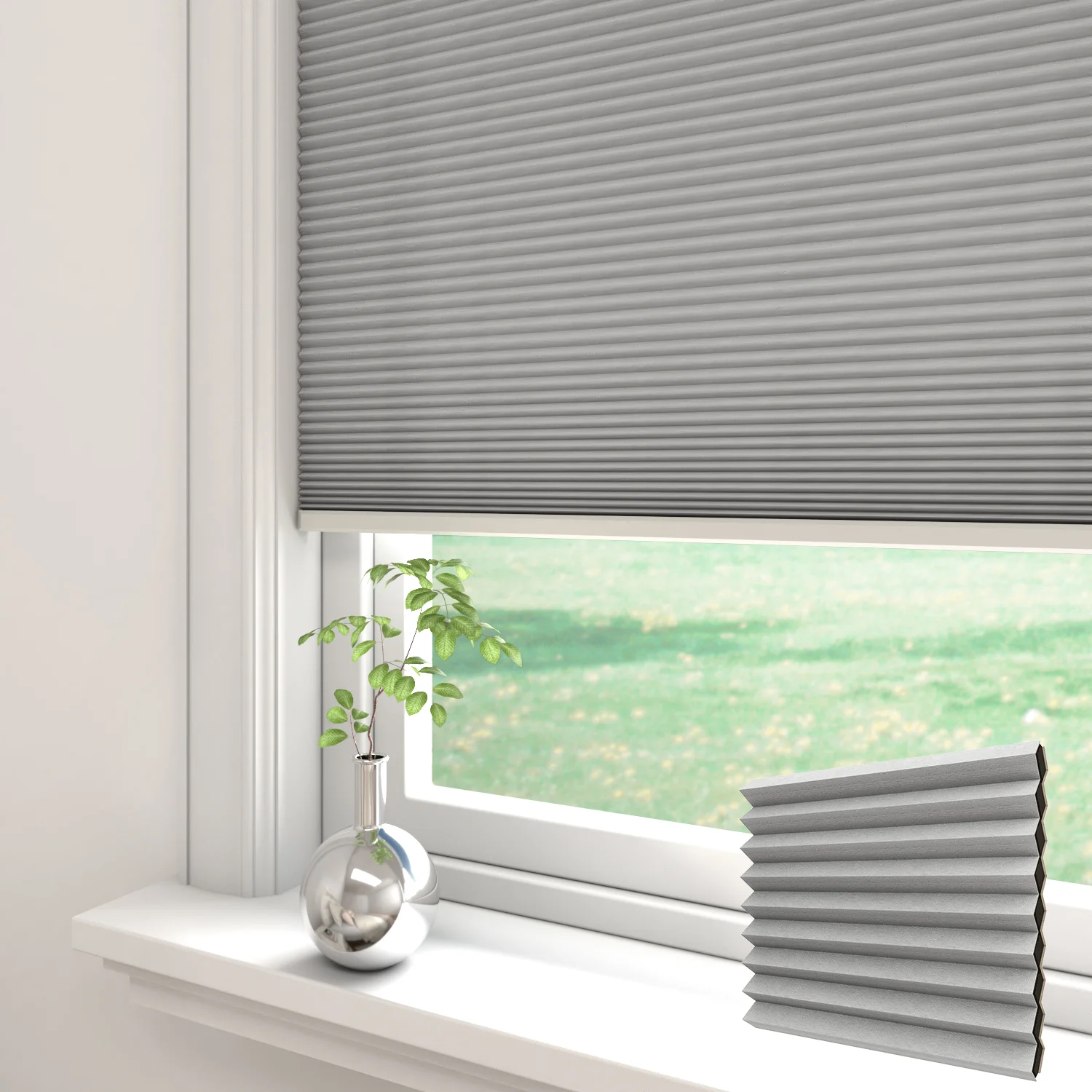
Pleated cells form sealed pockets of air between the room and the glass. Air is a poor conductor, so that trapped layer slows heat loss in winter and heat gain in summer.
Double-cell versions insulate more than single-cell. Blackout versions add a foil or opaque layer, which also reflects heat.
Fitting matters more than the blind
Insulation only works if air cannot move around the edges. A blind fitted inside a recess with large gaps loses most of the benefit, and side channels or a close fit are what make the difference.
Fitting outside the recess with a generous overlap, or using a blind with tracked sides, traps the air properly.
Where heat actually goes
Single glazing and old frames lose far more than any blind can recover. Draught-proofing gaps around frames and sashes is cheaper and frequently more effective than anything else.
Thick curtains with a thermal lining, hung close to the wall and long enough to reach the sill or floor, also work well. Curtains over a radiator send heat out of the window.
Summer
Blocking sun before it enters is what keeps a room cool, so external shading or a reflective blind beats anything done after the heat is in. Close blinds on sunny sides during the day.
Cord safety
Looped cords are a strangulation risk to young children, and blinds sold for domestic use must come with safety devices. Fit them, keep cords short and out of reach, and choose cordless in a child's room.
Measuring
Decide first whether the blind sits inside or outside the recess, and measure in millimetres at three points, using the narrowest for an inside fit. Note whether the supplier makes a deduction for clearance.
Measure twice and write it down, since made-to-measure blinds cannot be returned.
Cleaning
Dust regularly with a soft brush or a vacuum upholstery tool. Most honeycomb fabrics cannot be wetted, so check the care instructions before attempting anything more.
Fitting
Check for cables and pipes above a window before drilling, and fix into the frame or into masonry with anchors suited to the wall. A blind pulling out of plasterboard is the usual failure.
Check the blind clears the window handle and opens fully before fixing the brackets permanently.
Condensation
A well-sealed blind makes the glass colder, so condensation can increase. Ventilate and wipe the sills.
WHERE TO BUY
Ready to shop Newblinds? Use the link below to visit the official store.
→ Shop Newblinds — official site
Visit this site