
kids · Articles
Baby Carriers and Slings: Carrying Safely
Baby Carriers and Slings: Carrying Safely
 Transact Shopping
FAMILY · UNITED KINGDOM
Baby Carriers and Slings: Carrying Safely
The TICKS rules, hip-healthy positioning, when to start and choosing one
Carrying a baby has real benefits for settling and for getting things done, and the positioning rules are safety-critical because a small baby cannot clear their own airway.
The TICKS rules
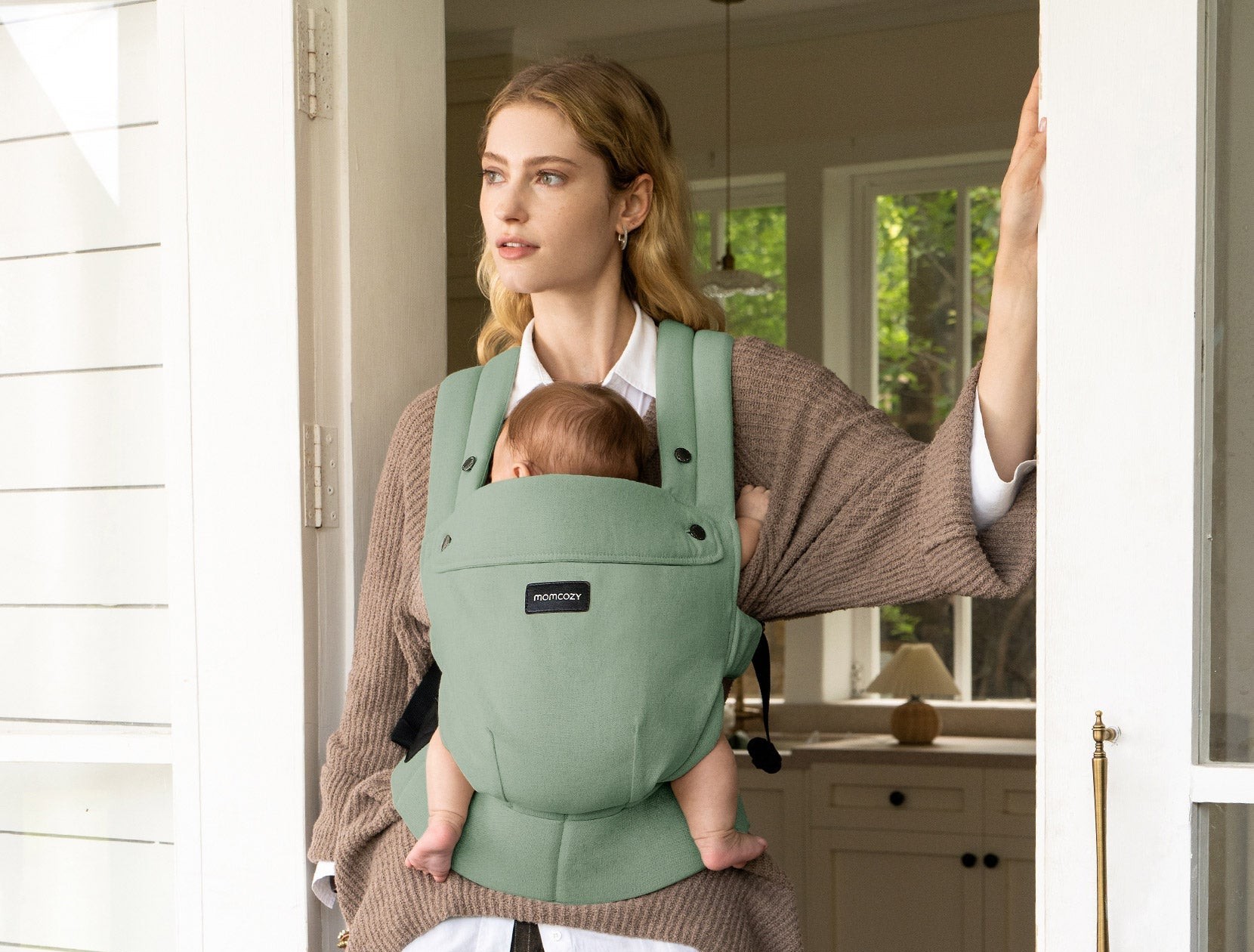
Tight, so the baby is held close and cannot slump. In view at all times, without needing to open fabric. Close enough to kiss, with the head just below your chin. Keep the chin off the chest, with a finger's width of space. Supported back, in a natural position.
A chin pressed to the chest closes the airway, and this can happen silently. That single point is the reason the rules exist.
Face in, not out
Newborns should be carried facing you. Forward-facing carrying should wait until a baby has strong head and neck control, and should be limited in duration since it offers no support for the head to rest.
Hip-healthy positioning
The knees should sit higher than the bottom, with the thighs supported to the knee joint in an M shape. Narrow carriers that leave the legs hanging straight down are associated with hip problems.
Look for the international hip dysplasia acknowledgement or an equivalent statement.
Choosing one
Stretchy wraps suit newborns and become inadequate as the baby grows. Structured carriers suit longer use and heavier babies, and need adjusting to the wearer. Ring slings suit quick ups and downs.
Try before buying where you can — sling libraries exist in many areas and lend carriers for a small fee.
Safety generally
Never carry in a sling while cooking, drinking hot liquids, cycling or in a vehicle. Check the baby regularly, particularly if they are quiet.
Feeding and carriers
Feeding in a sling takes practice and the baby must be repositioned upright, with the head clear and in view, immediately afterwards. Never leave a baby in a feeding position unattended in a carrier.
Ask an infant feeding supporter or a sling consultant to show you rather than working it out alone.
Getting the fit right
Adjust the carrier to you rather than to the baby first — waist belt on the hips, straps snug, and the panel reaching between the knees. A carrier worn loose puts the weight on your shoulders and the baby out of position.
Practise over a bed or with someone helping the first few times.
Heat and layers
A carried baby is warmed by your body, so dress them in one layer fewer than you would otherwise and check the back of the neck for temperature. Cover their head in sun rather than covering the carrier.
Your back
Adjust so weight sits on the hips, and tighten properly rather than wearing it loose.
WHERE TO BUY
Ready to shop Momcozy? Use the link below to visit the official store.
→ Shop Momcozy — official site
Visit this site