
other · Articles
Breast Pumps: Choosing and Using One
Breast Pumps: Choosing and Using One
 Transact Shopping
FAMILY · GLOBAL
Breast Pumps: Choosing and Using One
The types, flange fit, expressing and storing milk, and getting support
A pump solves specific problems rather than being a standard part of feeding, which makes the reason for buying one worth being clear about.
The types
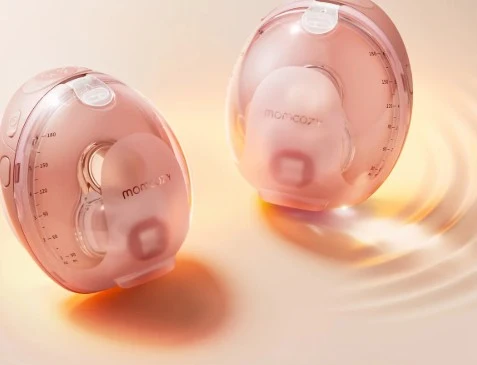
Manual pumps are cheap, quiet and slow, and suit occasional expressing. Electric double pumps are faster and suit regular use. Wearable pumps fit inside a bra and allow hands-free expressing, with generally lower output than a double electric.
Hospital-grade rental pumps are used where supply needs establishing, for premature babies or where a baby cannot feed directly.
Flange fit is what most people get wrong
The shield must match the nipple diameter, with only a little areola drawn in and no rubbing. A flange that is too large or too small causes pain, damage and poor output, and the sizes supplied in the box fit a minority of people.
Measure rather than guessing, and change size if it hurts. Expressing should not be painful.
Suction
Higher suction does not mean more milk. Use the lowest setting that is comfortable and effective, and let the pump cycle rather than holding maximum.
Storing milk
Follow your health service's guidance on how long milk keeps in a fridge and freezer, label everything with the date, and cool it before adding to already chilled milk.
Sterilise equipment as directed, and wash and dry parts thoroughly after every use.
Back to work
Employers in many countries must provide somewhere suitable to express and store milk, and it is worth raising before returning rather than afterwards. A cool bag with ice packs covers the journey home.
Build a small freezer stash gradually rather than in a panic the week before.
Cleaning equipment
Wash parts in hot soapy water after every use, rinse and dry fully, and sterilise as your health service advises for the baby's age. Do not leave parts soaking in water between uses.
Feeding without pumping
Pumping is not a requirement of breastfeeding, and many people never need one. Buying a pump before the baby arrives is frequently unnecessary, and hiring is an option if supply needs establishing.
Whatever the feeding method, support is available free and asking early works better than struggling on.
Take the pump instructions seriously, since assembly affects suction more than the settings do.
Buy spare valves and membranes, since those wear and reduce suction first.
Get support early
Pain, low supply, or a baby not gaining weight are all reasons to speak to a midwife, health visitor or an infant feeding specialist rather than buying more equipment.
Support is free through health services and peer groups, and asking early works far better.
WHERE TO BUY
Ready to shop Momcozy FR? Use the link below to visit the official store.
→ Shop Momcozy FR — official site
Visit this site