
health · Articles
Protein and Recovery Products
Protein and Recovery Products
 Transact Shopping
FITNESS · GLOBAL
Protein and Recovery Products
How much protein you need, whey and blends, timing myths and gainers
Protein supplements are convenient and the questions people ask about them are mostly the wrong ones. Total daily intake matters far more than anything else.
How much
Around 0.8 grams per kilogram of body weight is a general baseline. People training regularly, older adults and those losing weight benefit from more, commonly quoted between 1.2 and 1.6 grams per kilogram.
Work out what you already eat before buying anything. Many people training are closer to the target than they assume.
Timing is overstated
The idea of a narrow anabolic window straight after training is not well supported. Spreading protein across meals through the day matters more, and breakfast is where most people fall shortest.
Whey, casein and blends
Whey digests quickly and is high in leucine, which triggers muscle protein synthesis. Casein digests slowly. Blends sit between, and for practical purposes the differences are small next to total intake.
Whey isolate contains less lactose, which suits people who find concentrate uncomfortable.
Mass gainers
Mostly carbohydrate and calories in a tub. That is a legitimate product for someone genuinely struggling to eat enough, and it is an expensive way to buy calories for everyone else.
Check the sugar content and the cost per hundred grams of protein rather than per tub.
Creatine
Monohydrate is the researched form, at three to five grams daily, and is among the cheapest supplements available. Most other ingredients in recovery blends have far weaker evidence.
Food first
Dairy, eggs, meat, fish, pulses, tofu and grains cover protein needs for almost everyone. A shake is convenience rather than necessity, and it is usually more expensive per gram of protein than food.
Work out the cost per hundred grams of protein rather than per tub when comparing.
Recovery generally
Sleep, adequate total calories, and progressive training matter more than any supplement. Under-eating is the most common reason people stop progressing.
Reading a label
Check the protein per serving and the serving size, since a large scoop can hide a modest protein content. Check for added sugar, fillers and any proprietary blend without quantities.
Look for third-party batch testing, which matters for anyone subject to drug testing.
Hydration and salt
For most training, water is enough. Electrolyte products matter for prolonged exercise, in heat and with heavy sweating, rather than for an hour in a gym.
Quality and safety
Look for third-party batch testing, which verifies contents and screens for contaminants and banned substances. That matters for anyone subject to drug testing.
Anyone with kidney disease should take medical advice before increasing protein substantially.
WHERE TO BUY
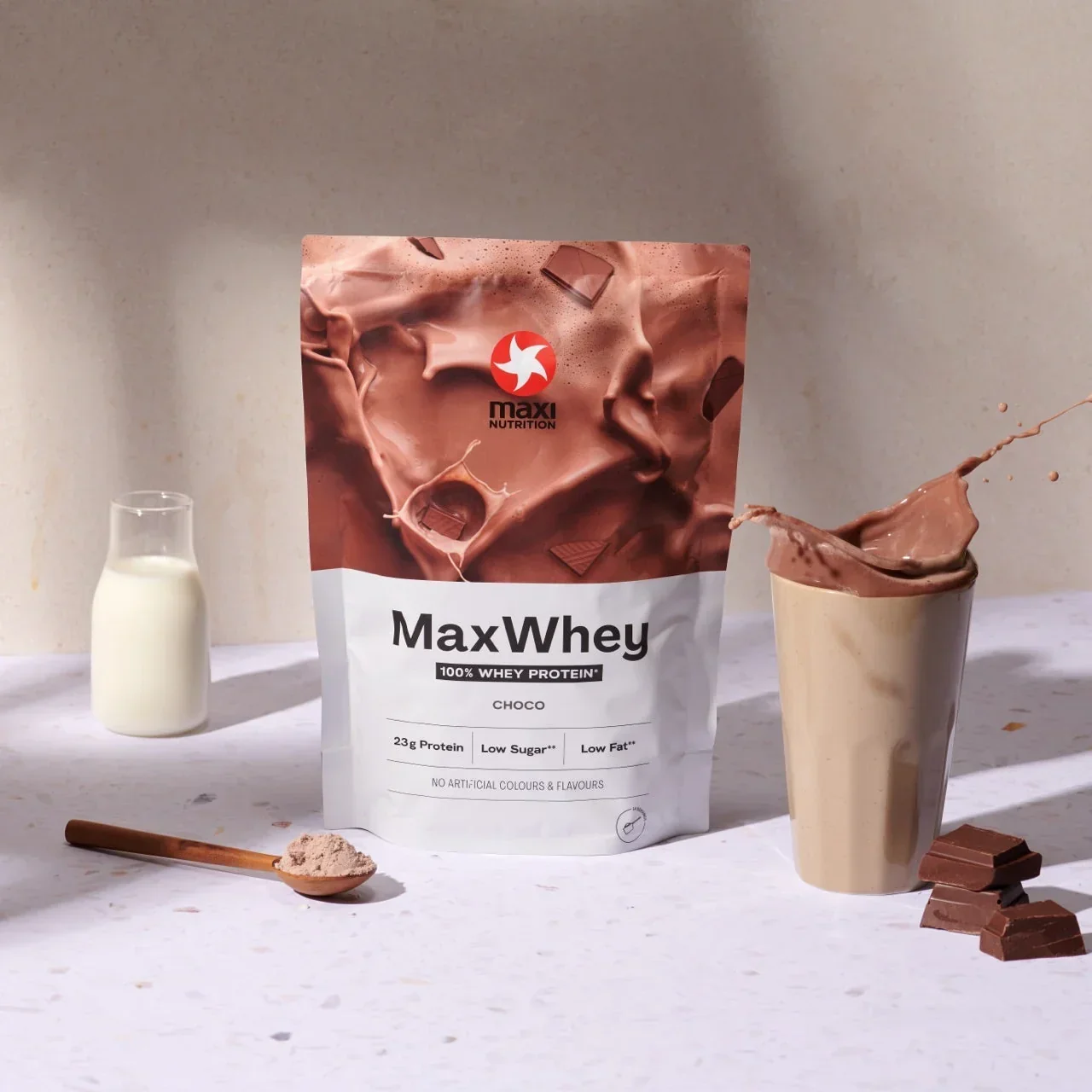
Ready to shop MaxiNutrition? Use the link below to visit the official store.
→ Shop MaxiNutrition — official site
Visit this site