other · Articles
Sleeping Better Without Buying Much
Sleeping Better Without Buying Much
 Transact Shopping
HEALTH · GLOBAL
Sleeping Better Without Buying Much
What actually works, sleep products, when it is insomnia and getting help
Sleep is a large market and the interventions with the strongest evidence are almost all free, which is worth knowing before buying anything.
The things that work
A consistent wake time, seven days a week, is the single most effective change. Morning daylight anchors the body clock. A cool, dark, quiet room. Caffeine stopped by early afternoon, since it has a half-life of around five hours.
Alcohol sedates and then fragments sleep in the second half of the night, which is why it makes rest worse rather than better.
Do not lie awake
If you are awake for more than about twenty minutes, get up and do something dull in low light until you feel sleepy. Lying in bed frustrated teaches the brain to associate bed with being awake.
Sleep products
Weighted blankets, sprays, sound machines and pillows help some people, largely through comfort and routine rather than a specific mechanism. That is a legitimate reason to use them and not a treatment.
Melatonin is prescription-only in the UK and is useful for jet lag and specific conditions rather than as a general sleeping aid. Antihistamine sleep aids cause next-day grogginess and tolerance.
When it is insomnia
Difficulty sleeping at least three nights a week for three months, with daytime consequences. The recommended first treatment is cognitive behavioural therapy for insomnia rather than medication, and it works well.
It is available through health services, online programmes and books.
The bedroom
Cool, around sixteen to nineteen degrees, dark and quiet. Blackout blinds, a decent mattress and pillow and an aired room do more than most products sold for sleep.
Keep the bed for sleep rather than working or scrolling, which is a genuine part of the standard treatment for insomnia.
Screens and light
The content is usually more disruptive than the light — a stimulating conversation or a news feed keeps you awake more than the screen itself. Blue light filtering has weak evidence.
Morning daylight matters more than evening darkness for anchoring the body clock.
Shift work and jet lag
Both need specific strategies rather than general advice, and a GP or occupational health service can help.
Napping and catching up
A short nap of twenty minutes early in the afternoon refreshes without affecting the night. Long or late naps make the following night worse.
Sleeping in at weekends shifts the body clock and makes Monday harder, which is why a consistent wake time matters more than total hours.
When to see a doctor
Loud snoring with pauses in breathing, excessive daytime sleepiness, or acting out dreams. Sleep apnoea is common, serious and treatable.
Persistent poor sleep with low mood is worth raising too.
WHERE TO BUY
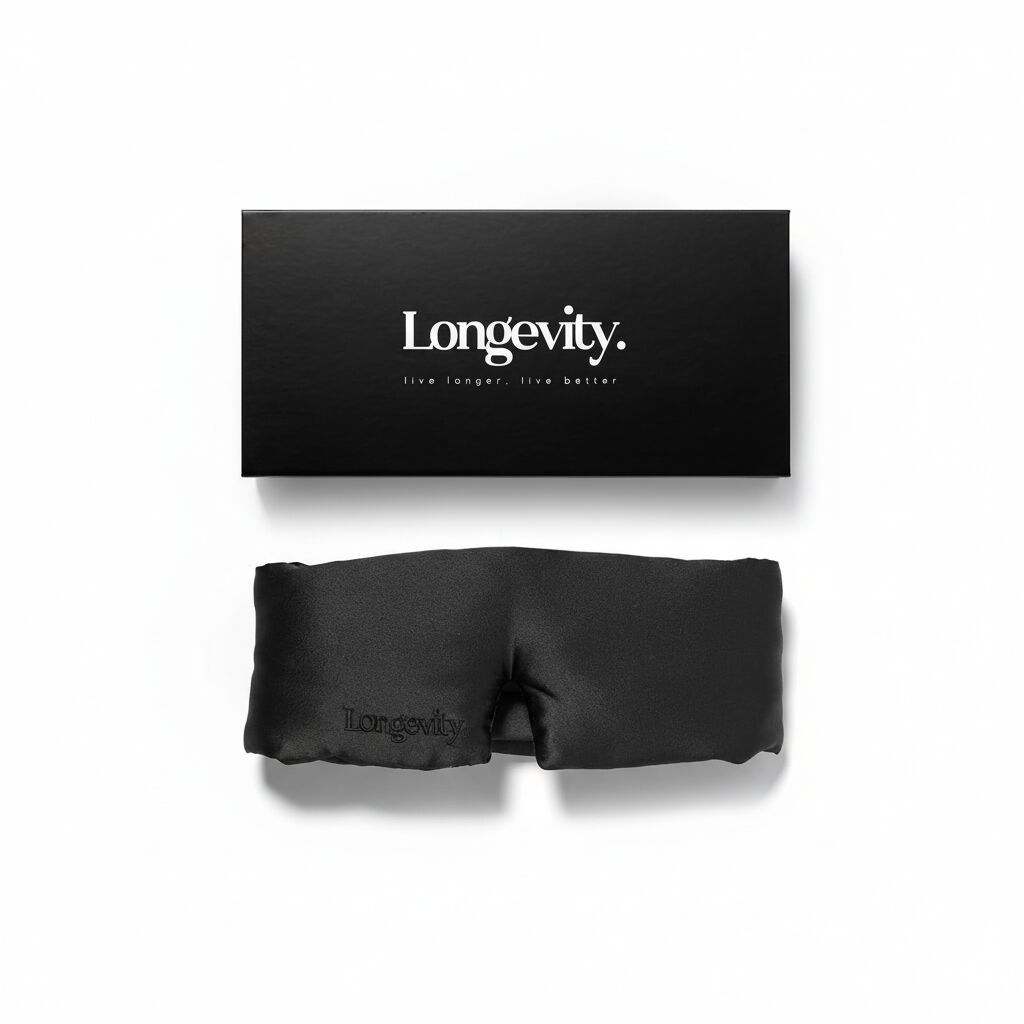
Ready to shop Longevity? Use the link below to visit the official store.
→ Shop Longevity — official site
Visit this site