
other · Articles
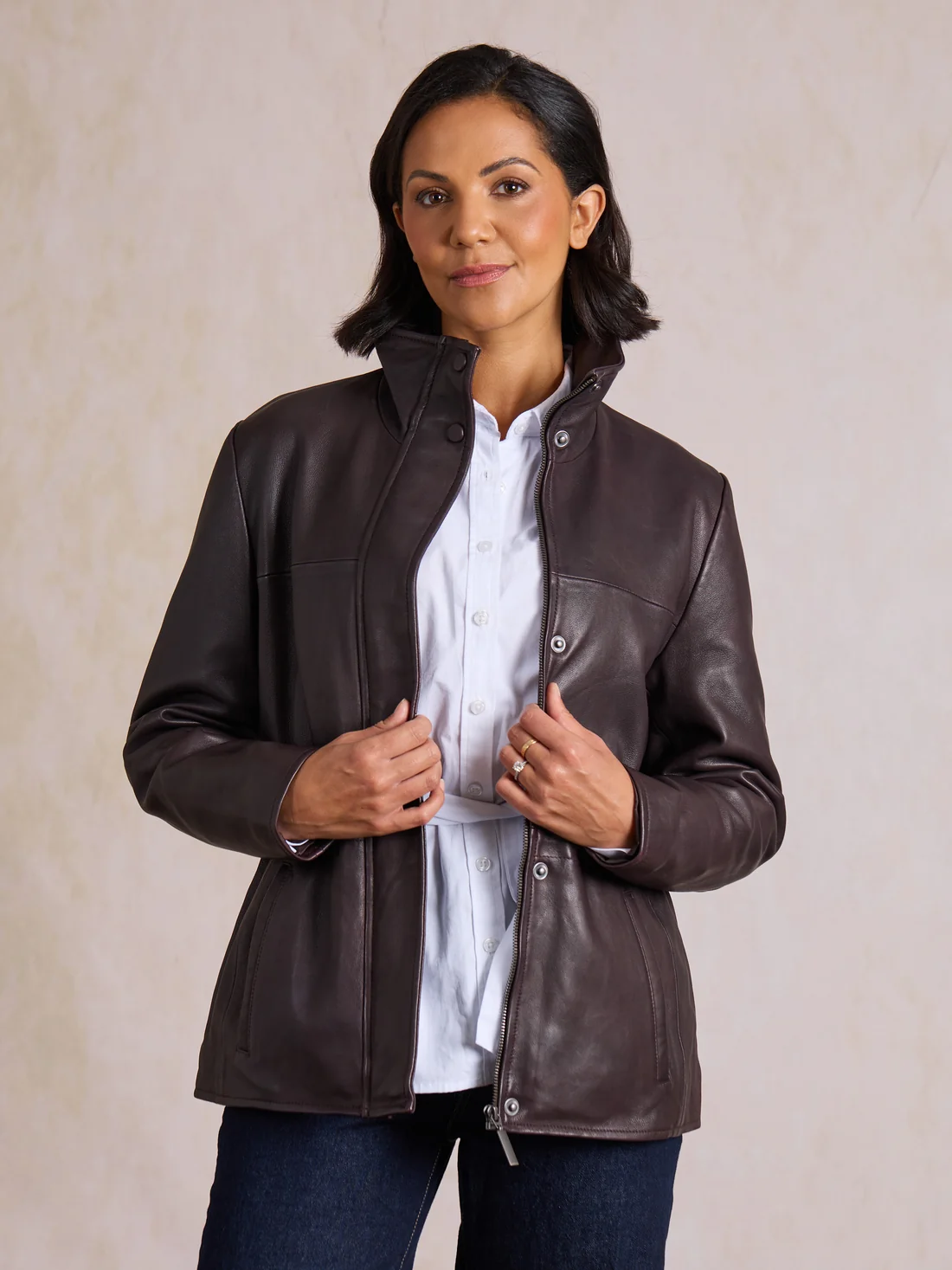
Leather Jackets: Types and Care
Leather Jackets: Types and Care
 Transact Shopping
FASHION · GLOBAL
Leather Jackets: Types and Care
Hides and finishes, fit, conditioning and repairs
A leather jacket is bought once and worn for decades if it is looked after, and the material determines almost everything about how it ages.
The hides
Cowhide is thick, heavy and the most protective, which is why it dominates biker styles. Lambskin is soft, light and marks easily. Sheepskin and shearling are warm and bulky. Goatskin is light and unusually durable.
Suede and nubuck are the flesh side and the sanded grain side respectively, and both absorb water and stain readily.
Finishes
Aniline leather is dyed through with no surface coating, which shows every mark and develops the best patina. Semi-aniline has a light protective coat. Pigmented leather has a surface layer and is the most hard-wearing and the least characterful.
Ask which it is, since it determines how you clean it and how it will look in five years.
Fit
Leather does not stretch in length, only slightly across the body with wear. Buy for the shoulders, which cannot be altered, and try it over what you will actually wear underneath.
Sleeves should reach the wrist bone. A jacket that feels slightly snug when new will ease; one that is tight across the back will not.
Conditioning
Leather dries out and cracks. Clean with a barely damp cloth, let it dry naturally away from heat, and condition every few months with a product suited to the finish, tested on a hidden area first.
Never use household cleaners, solvents or saddle soap on garment leather.
Water and storage
Blot rather than rub and dry slowly at room temperature. Store on a broad shaped hanger in a breathable cover rather than plastic, which traps moisture and grows mould.
Buying sensibly
Leather is heavily discounted at the end of a season, and a classic cut does not date. Check the lining, the zip quality and the stitching at the shoulders and armholes, since those are where a cheap jacket fails.
Second-hand leather is excellent value, since a good jacket outlasts several owners and improves with wear.
Vegan and alternative materials
Most vegan leather is polyurethane on a fabric backing, which is lighter and does not develop a patina and typically cracks after a few years of regular use. Plant-based alternatives usually still contain a polyurethane binder.
Ask what the percentages are, since the honest comparison is impact per year of use rather than the material name.
Check the shoulder fit above all, since that is the one thing a tailor cannot alter.
Repairs
Zips, linings and seams are all replaceable by a leather repairer for a fraction of a new jacket.
WHERE TO BUY
Ready to shop Lakeland Leather? Use the link below to visit the official store.
→ Shop Lakeland Leather — official site
Visit this site