
other · Articles
Sunscreen: Using It Properly
Sunscreen: Using It Properly
 Transact Shopping
BEAUTY · UNITED KINGDOM
Sunscreen: Using It Properly
SPF and UVA, how much to apply, tinted and mineral formulas, and daily use
Sunscreen is the single most effective skincare product there is, and most people get considerably less protection than the bottle offers because of how it is applied.
SPF and UVA are separate
SPF measures protection against UVB, which causes burning. UVA penetrates deeper, contributes most to ageing and passes through window glass, and it is covered by a separate rating.
Look for broad spectrum, a UVA circle logo or a PA rating. An SPF 50 with poor UVA protection is half a product.
Quantity is where it goes wrong
SPF is measured at two milligrams per square centimetre, which for a face and neck is around a third of a teaspoon, or two fingers' length of product.
Applying half that does not give half the protection — it gives considerably less. This single point matters more than which brand you buy.
Reapplication
Every two hours in strong sun, and after swimming, sweating or towelling. Water resistant means tested for a stated time in water rather than waterproof.
Mineral and chemical
Mineral filters, zinc oxide and titanium dioxide, sit on the surface and suit reactive skin, and can leave a white cast. Chemical filters absorb ultraviolet, are lighter and cosmetically easier.
Both work. The best sunscreen is the one you will actually apply generously every day.
Tinted formulas
Iron oxides in tinted sunscreens block visible light, which has evidence for reducing melasma and post-inflammatory pigmentation. For pigmentation concerns, a tinted formula genuinely outperforms an untinted one.
Every day
UVA is present year-round and through cloud. Daily use is what changes how skin ages over decades.
Sunscreen for children
Children burn more easily and the damage is cumulative. Shade, a wide-brimmed hat, covering clothing and a high-factor sunscreen applied generously, with particular attention to ears, necks and the tops of feet.
Health bodies generally advise keeping babies under six months out of direct sun rather than relying on sunscreen.
Under makeup
Sunscreen goes on last in a skincare routine and first before makeup. Powder and spray products used over the top do not deliver a reliable reapplication dose.
Sensitive and acne-prone skin
Mineral filters suit reactive skin, and fluid or gel textures suit oily and acne-prone skin better than heavy creams. Look for non-comedogenic and fragrance-free where irritation is an issue.
Several acne treatments increase sun sensitivity, which makes daily sunscreen more important rather than less.
Vitamin D
Sunscreen use does not generally cause deficiency in practice, and in northern latitudes a winter supplement is recommended regardless of anyone's sun habits.
Checking your skin
See a doctor about any mole that changes, itches or bleeds.
WHERE TO BUY
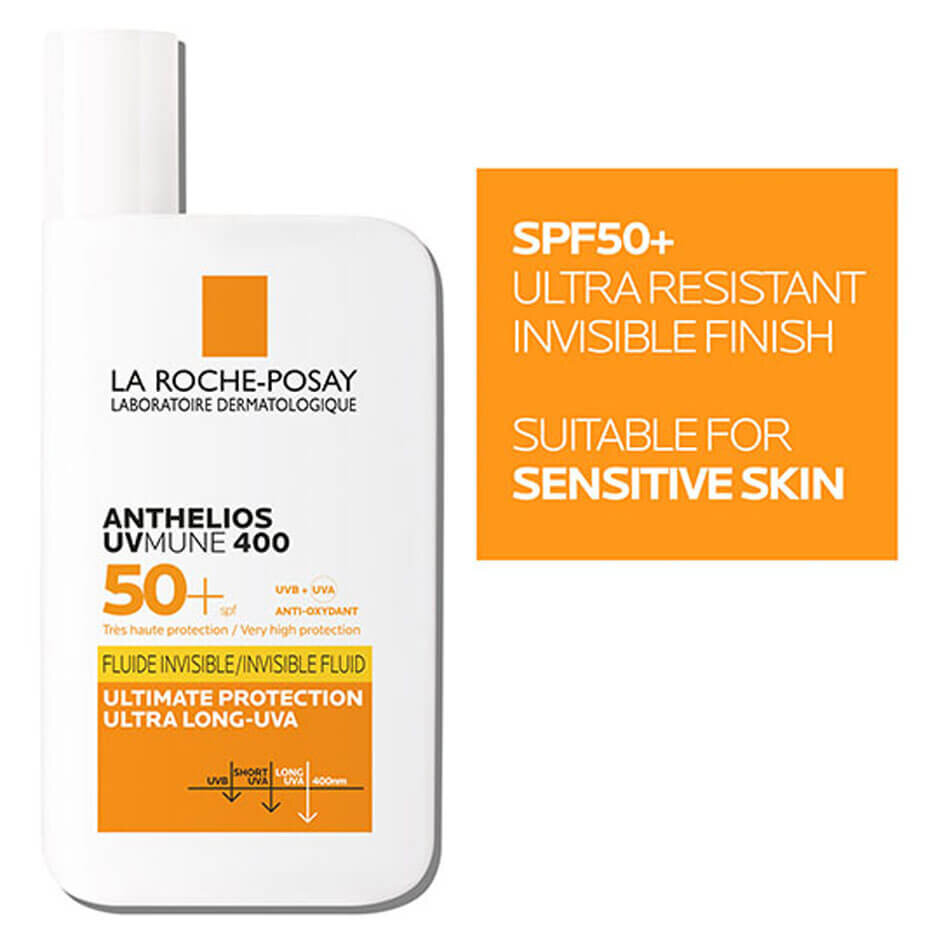
Ready to shop La Roche-Posay? Use the link below to visit the official store.
→ Shop La Roche-Posay — official site
Visit this site