
other · Articles
Buying a Kiln for Home Use
Buying a Kiln for Home Use
 Transact Shopping
HOBBIES · GLOBAL
Buying a Kiln for Home Use
Electrical supply and siting, ventilation, firing schedules and safety
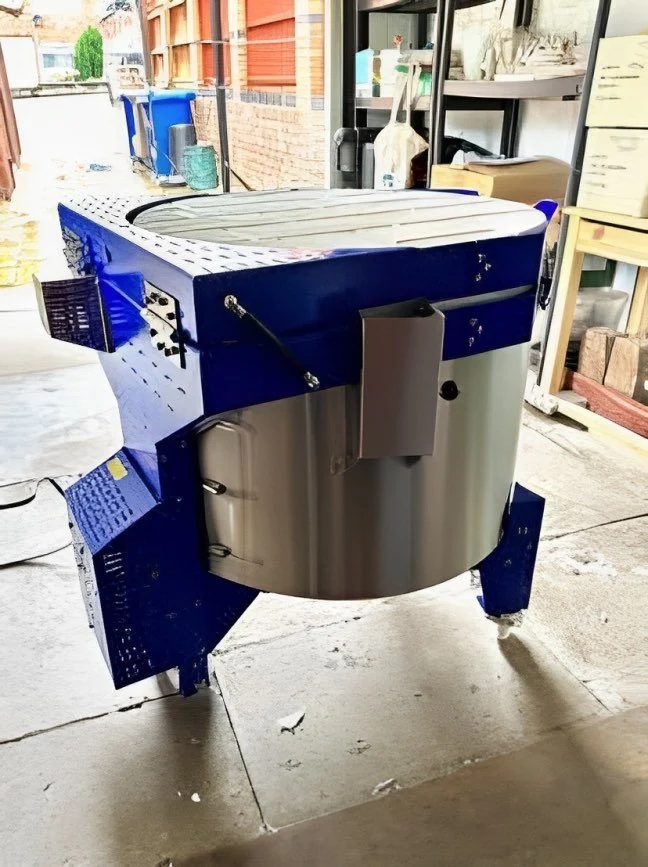
A kiln is the point at which pottery becomes a serious home setup, and the installation questions matter more than the kiln itself.
Electrical supply
Small kilns run from a standard 13 amp socket and are limited in size and top temperature. Anything larger needs a dedicated higher-current circuit installed by a registered electrician.
Never run a kiln from an extension lead or a multi-way adapter. Check the stated current draw against the circuit before buying.
Siting
A non-combustible floor, clearance around all sides as the manufacturer specifies, and nothing stored above it. Garages and outbuildings suit it better than a room in the house.
Kilns radiate serious heat and the outside surface gets hot enough to burn. Keep children and pets out of the space entirely while firing.
Ventilation
Firing releases fumes, including from clay, glazes and any organic material burning off. The space must be well ventilated, and many kilns take a vent system that extracts to the outside.
Do not sleep in a house with a kiln firing in an unventilated space.
Firing schedules
Bisque firing drives off remaining water and organic matter slowly, which is why rushing it cracks work. Glaze firing goes to the cone temperature the glaze requires.
A controller that runs programmed ramps removes most of the guesswork and is worth having.
Materials safety
Silica dust from dry clay and glaze powders is a genuine respiratory hazard. Wet clean rather than sweeping, wear a respirator when mixing dry materials, and check glazes are food safe if you make tableware.
Starting without one
Community studios and pottery classes fire your work for a fee, which lets you learn before committing to a kiln. Many also hire kiln space by the shelf.
Air-dry clay needs no firing at all and is not waterproof or food safe, which limits what it suits.
Buying used
Check the elements, the brick condition, the lid seal and the controller, and factor in the cost of new elements. Have the electrical installation checked before use.
Glazes and food safety
A glaze intended for tableware must be food safe and fired correctly to be stable. Some colourants and low-fire glazes are not suitable for surfaces that hold food or drink.
Follow the manufacturer's firing instructions exactly, and treat anything home-mixed with caution.
Insurance and neighbours
Tell your home insurer, since a kiln is a material fact, and check any lease or tenancy terms before installing one.
Running cost
A firing uses a substantial amount of electricity. Work out the kilowatt hours per firing before committing.
WHERE TO BUY
Ready to shop Kiln Crafts? Use the link below to visit the official store.
→ Shop Kiln Crafts — official site
Visit this site