
other · Articles
A First Watch for a Child
A First Watch for a Child
 Transact Shopping
ACCESSORIES · GLOBAL
A First Watch for a Child
When to give one, learning to tell the time, water resistance and batteries
A first watch is usually given around the age children learn to read an analogue clock, and that timing is not accidental.
Analogue or digital
Children generally learn analogue at school between about five and eight, and an analogue watch reinforces it daily. Digital is easier to read and teaches nothing about the clock face.
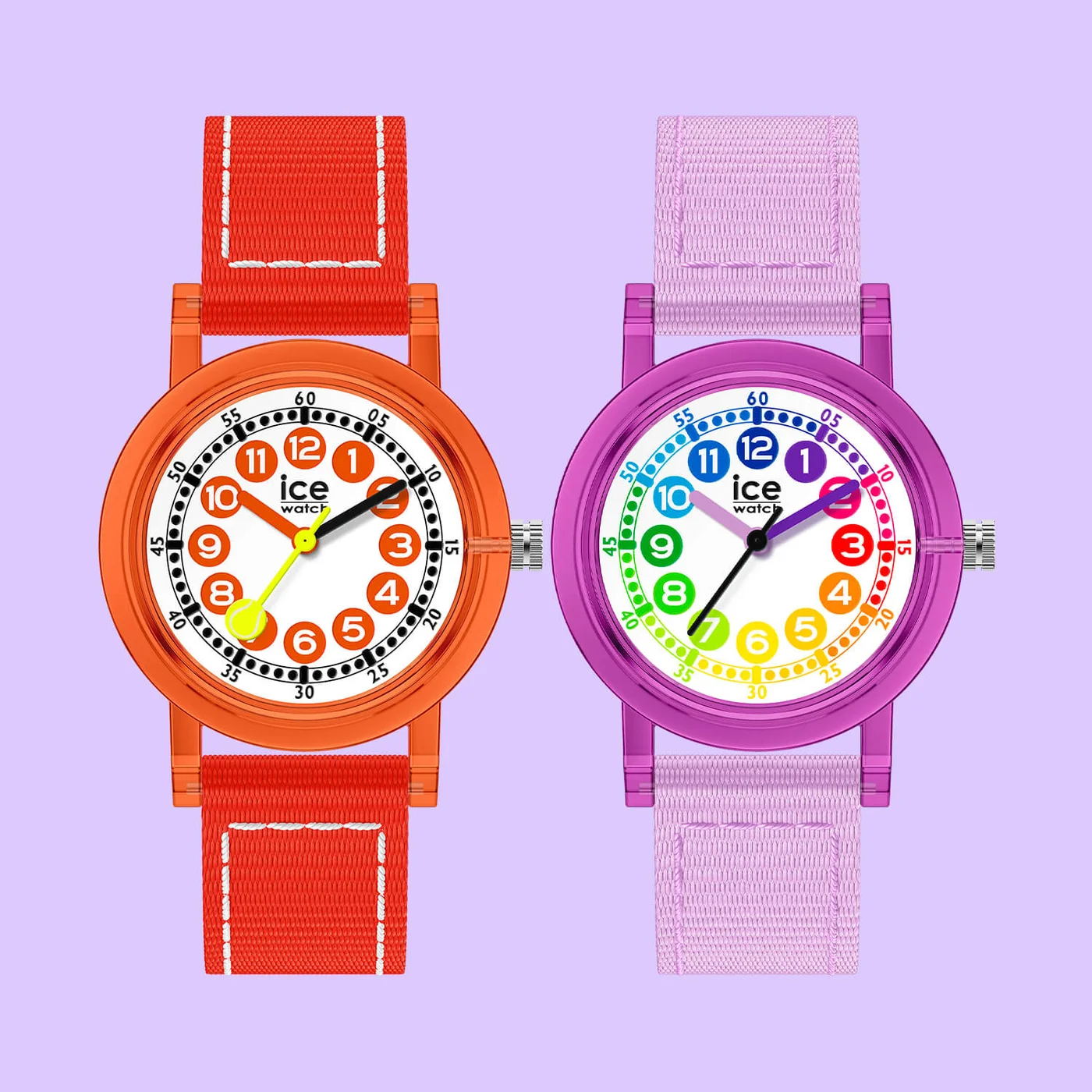
Look for clear numerals all the way round, a plain dial and a second hand, which helps with counting.
Size and fit
A case small enough not to overwhelm a wrist and a strap with enough adjustment holes. Silicone and fabric straps suit children better than metal, which needs links removing and pinches skin.
The watch should sit flat without rolling, with room to slide a finger underneath.
Water resistance
Ratings are tested under static pressure. 30 metres means splashes only — not swimming. 50 metres allows brief shallow swimming, and 100 metres is the realistic minimum for regular swimming.
Never operate the crown underwater, and expect hand washing and rain rather than a bath.
Durability
Mineral glass resists scratches better than acrylic; sapphire is better still and rarely used at this price. A watch will be knocked, so choose one you do not mind being marked.
Batteries
Most children's watches use a small cell in a case opened with a tool or a screw. Button batteries cause severe internal burns within hours if swallowed, so battery changes belong with an adult or a jeweller.
Never leave a loose cell anywhere a child can reach, and dispose of used ones immediately.
Looking after it
Rinse a silicone strap with fresh water after swimming or sport and dry it, since trapped sweat and chlorine cause skin irritation. Wipe the case rather than soaking it.
Keep it away from strong magnets and extreme heat, and take it off for contact sports.
As a gift
Let the child choose the colour within a shortlist, which is what determines whether it gets worn. Keep the receipt and check the return window.
Teaching the time
A clock face on the wall at child height and a watch worn daily do more than any app. Start with o'clock and half past, then quarters, then five-minute intervals.
Analogue teaches the relationship between the hands, which is what digital cannot.
Batteries and repairs
Have battery changes done by a jeweller who reseals the case properly, since an improperly closed back lets in water and dust. A dead battery left in a watch can leak and damage the movement.
Keep used cells away from children entirely and dispose of them immediately.
School rules
Many schools prohibit smartwatches and allow plain watches.
WHERE TO BUY
Ready to shop Ice-Watch? Use the link below to visit the official store.
→ Shop Ice-Watch — official site
Visit this site